
Kirjahaku
Etsi kirjoja tekijän nimen, kirjan nimen tai ISBN:n perusteella.
10 kirjaa tekijältä Sei Shonagon
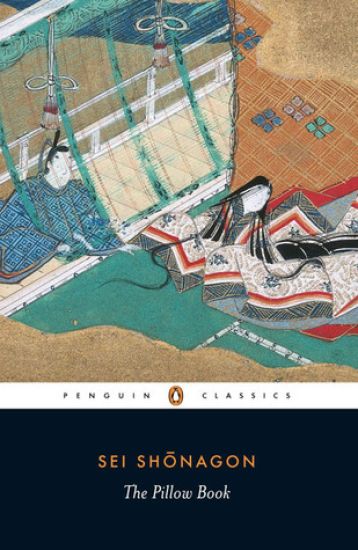
'A mistress of wry observation and scalding wit ... The Pillow Book retains its fresh, authentic appeal more than 1,000 years after its inception' Japan TimesWritten by the court gentlewoman Sei Shonagon as a journal for her own amusement, The Pillow Book is one of the greatest works of Japanese literature. A fascinating exploration of life amongst the nobility at the height of the idyllic Heian period, it describes the exquisite pleasures of a confined world in which poetry, love, fashion and whim dominated. From brief reflections to longer, lyrical tales, Shonagon moves elegantly across themes including nature, society and her own flirtations and frustrations, to provide a witty, unique insight into a woman's life at court in classical Japan.Translated with an introduction by Meredith McKinney
90 classic titles celebrating 90 years of Penguin BooksAll moonlight is moving, wherever it may be…Japanese gentlewoman Sei Shonagon invites us to look behind the painted screens in the Emperor’s palace and discover a lost world, in which games of poetry are the highest form of wit, lovers send each other elegant morning-after letters, and appreciation of the natural world – wild geese in autumn, the pure white frost of winter – is one of life’s most exquisite pleasures.
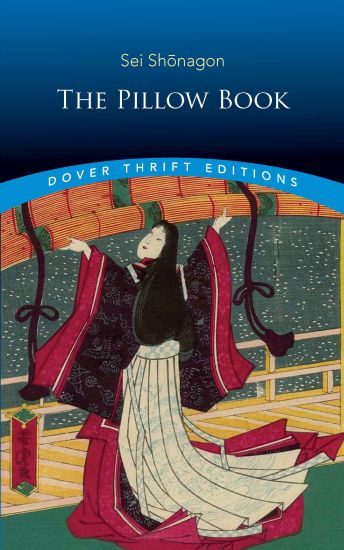
In the tenth century, Japan was both physically and culturally isolated from the rest of the world. The Pillow Book recaptures this lost world with the diary of a young court lady. Sei Sh?nagon was a contemporary of Murasaki Shikibu, who wrote the well-known novel The Tale of Genji. Unlike the latter's fictionalized view of the Heian-era court, Sh?nagon's journal provides a lively miscellany of anecdotes, observations, and gossip, intended to be read in juicy bits and pieces. This unique volume was first rendered into English in 1889. In 1928, Arthur Waley, a seminal figure in the Western studies of Japanese culture, undertook a translation. The distinguished scholar devised this abridged version of the text, re-creating in English the stylistic beauty of its prose and the vitality of its narrative. Waley's interpretation offers a fascinating glimpse of the artistic pursuits of the royal court and its constant round of rituals, festivals, and ceremonies.
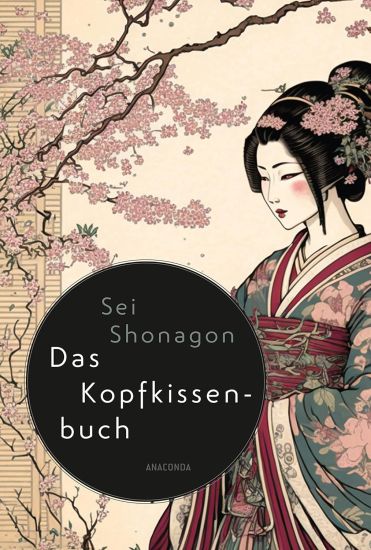
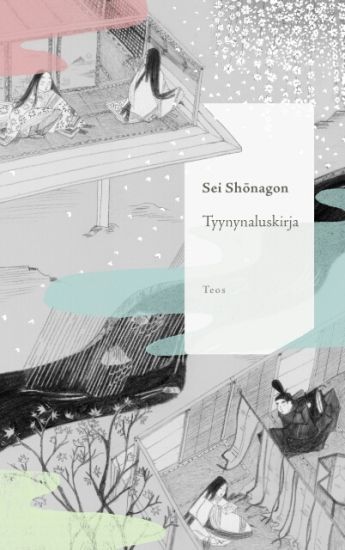
Tyynynaluskirja on noin tuhat vuotta sitten eläneen japanilaisen hovinaisen Sei Shonagonin kiehtova teos. Yhtäältä se on runsas kokoelma erilaisia muistiinmerkintöjä, jotka Shonagon on kirjoittanut omaksi ja muiden keisarinnan salongissa palvelleiden hovinaisten huviksi. Se koostuu muun muassa erilaisista sanoilla leikittelevistä luetteloista, yksityisistä pohdinnoista ja runoista.Toisaalta se on kirjoituksen taidetta, kaunokirjallisuutta mitä suurimmassa määrin. Se näyttää, miten sanat vievät ihmistä eikä toisinpäin. Se huokuu aivan omaa kauneuttaan, pursuaa naurua, eroottista jännitettä, sukkeluuksia ja sattumuksia hovin arjesta ja juhlasta. Lukijalla avautuu näkymä etäiseen, suljettuun maailmaan ja sen hienostuneisiin nautintoihin.Tyynynaluskirja on yksi Japanin kirjallisuuden merkittävimmistä ja tunnetuimmista teoksista. Suomentaja Miika Pölkki on laatinut teokseen myös laajan taustoitus- ja selitysosion.