Kirjojen hintavertailu. Mukana 11 717 486 kirjaa ja 12 kauppaa.

Kirjahaku

Etsi kirjoja tekijän nimen, kirjan nimen tai ISBN:n perusteella.

3 kirjaa tekijältä Seth C. Bruggeman

Here, George Washington Was Born

Here, George Washington Was Born

Seth C. Bruggeman

University of Georgia Press
2008
pokkari
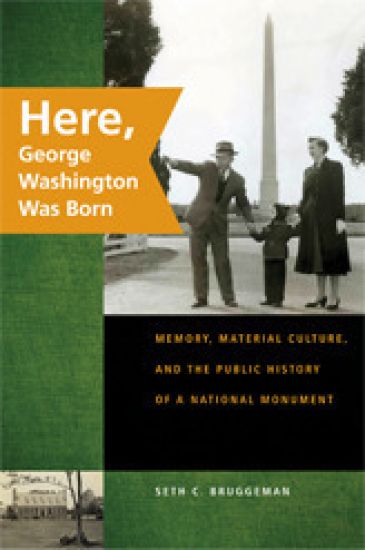
In Here, George Washington Was Born, Seth C. Bruggeman examines the history of commemoration in the United States by focusing on the George Washington Birthplace National Monument in Virginia's Northern Neck, where contests of public memory have unfolded with particular vigor for nearly eighty years.Washington left the birthplace with his family at a young age and rarely returned. The house burned in 1779 and would likely have passed from memory but for George Washington Parke Custis, who erected a stone marker on the site in 1815, creating the first birthplace monument in America. Both Virginia and the U.S. War Department later commemorated the site, but neither matched the work of a Virginia ladies association that in 1923 resolved to build a replica of the home. The National Park Service permitted construction of the "replica house" until a shocking archeological discovery sparked protracted battles between the two organizations over the building's appearance, purpose, and claims to historical authenticity.Bruggeman sifts through years of correspondence, superintendent logs, and other park records to reconstruct delicate negotiations of power among a host of often unexpected claimants on Washington's memory. By paying close attention to costumes, furnishings, and other material culture, he reveals the centrality of race and gender in the construction of Washington's public memory and reminds us that national parks have not always welcomed all Americans. What's more, Bruggeman offers the story of Washington's birthplace as a cautionary tale about the perils and possibilities of public history by asking why we care about famous birthplaces at all.
Lost on the Freedom Trail

Lost on the Freedom Trail

Seth C. Bruggeman

University of Massachusetts Press
2022
sidottu
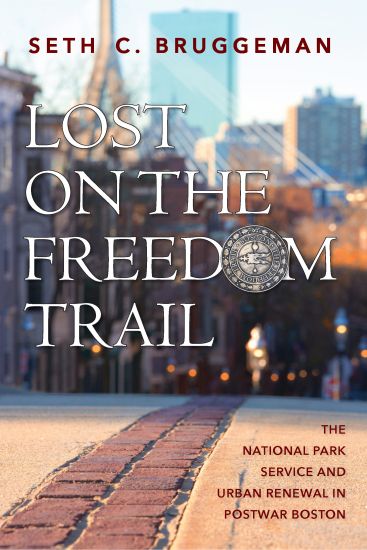
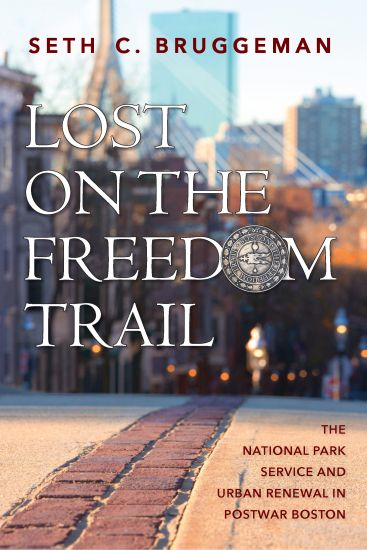
Boston National Historical Park is one of America's most popular heritage destinations, drawing in millions of visitors annually. Tourists flock there to see the site of the Boston Massacre, to relive Paul Revere's midnight ride, and to board Old Ironsides—all of these bound together by the iconic Freedom Trail, which traces the city's revolutionary saga.Making sense of the Revolution, however, was never the primary aim for the planners who reimagined Boston's heritage landscape after the Second World War. Seth C. Bruggeman demonstrates that the Freedom Trail was always largely a tourist gimmick, devised to lure affluent white Americans into downtown revival schemes, its success hinging on a narrow vision of the city's history run through with old stories about heroic white men. When Congress pressured the National Park Service to create this historical park for the nation's bicentennial celebration in 1976, these ideas seeped into its organizational logic, precluding the possibility that history might prevail over gentrification and profit.
Lost on the Freedom Trail

Lost on the Freedom Trail

Seth C. Bruggeman

University of Massachusetts Press
2022
nidottu
Boston National Historical Park is one of America's most popular heritage destinations, drawing in millions of visitors annually. Tourists flock there to see the site of the Boston Massacre, to relive Paul Revere's midnight ride, and to board Old Ironsides—all of these bound together by the iconic Freedom Trail, which traces the city's revolutionary saga.Making sense of the Revolution, however, was never the primary aim for the planners who reimagined Boston's heritage landscape after the Second World War. Seth C. Bruggeman demonstrates that the Freedom Trail was always largely a tourist gimmick, devised to lure affluent white Americans into downtown revival schemes, its success hinging on a narrow vision of the city's history run through with old stories about heroic white men. When Congress pressured the National Park Service to create this historical park for the nation's bicentennial celebration in 1976, these ideas seeped into its organizational logic, precluding the possibility that history might prevail over gentrification and profit.