Kirjojen hintavertailu. Mukana 11 244 527 kirjaa ja 12 kauppaa.

Kirjahaku

Etsi kirjoja tekijän nimen, kirjan nimen tai ISBN:n perusteella.

7 kirjaa tekijältä Sharon Irish

Suzanne Lacy

Suzanne Lacy

Sharon Irish

University of Minnesota Press
2010
sidottu
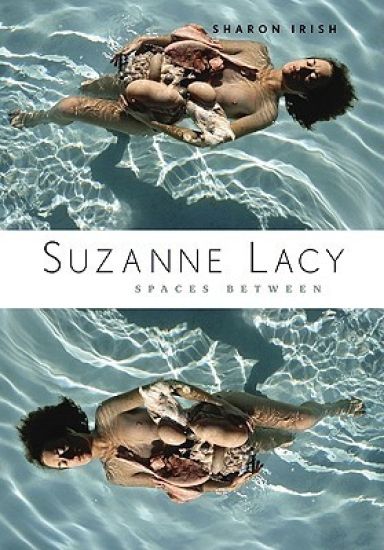
Often controversial and sometimes even shocking to audiences, the work of California-based artist Suzanne Lacy has challenged viewers and participants with personal accounts of traumatic events, settings that require people to assume uncomfortable positions, multisensory productions that evoke emotional as well as intellectual responses, and even flayed lambs and beef kidneys. Lacy has experimented with ways to claim the power of mass media, to use women’s consciousness-raising groups as a performance structure, and to connect her projects to lived experiences. The body and large groups of bodies are the locations for her lifelike art, revealing the aesthetics of relationships among people. In this critical examination of Suzanne Lacy, Sharon Irish surveys Lacy’s art from 1972 to the present, demonstrating the pivotal roles that Lacy has had in public art, feminist theory, and community organizing. Lacy initially used her own body—or animal organs—to visually depict psychological states or social conditions in photographs, collages, and installations. In the late 1970s she turned to organizing large groups of people into art events—including her most famous work, The Crystal Quilt, a 1987 performance broadcast live on PBS and featuring hundreds of women in Minneapolis—and pioneered a new genre of public art. Irish investigates the spaces between art and life, self and other, and the body and physical structures in Lacy’s multifaceted artistic projects, showing how throughout her influential career Lacy has created art that resists racism, promotes feminism, and explores challenging human relationships.
Suzanne Lacy

Suzanne Lacy

Sharon Irish

University of Minnesota Press
2010
nidottu
Often controversial and sometimes even shocking to audiences, the work of California-based artist Suzanne Lacy has challenged viewers and participants with personal accounts of traumatic events, settings that require people to assume uncomfortable positions, multisensory productions that evoke emotional as well as intellectual responses, and even flayed lambs and beef kidneys. Lacy has experimented with ways to claim the power of mass media, to use women’s consciousness-raising groups as a performance structure, and to connect her projects to lived experiences. The body and large groups of bodies are the locations for her lifelike art, revealing the aesthetics of relationships among people. In this critical examination of Suzanne Lacy, Sharon Irish surveys Lacy’s art from 1972 to the present, demonstrating the pivotal roles that Lacy has had in public art, feminist theory, and community organizing. Lacy initially used her own body-or animal organs-to visually depict psychological states or social conditions in photographs, collages, and installations. In the late 1970s she turned to organizing large groups of people into art events-including her most famous work, The Crystal Quilt, a 1987 performance broadcast live on PBS and featuring hundreds of women in Minneapolis-and pioneered a new genre of public art. Irish investigates the spaces between art and life, self and other, and the body and physical structures in Lacy’s multifaceted artistic projects, showing how throughout her influential career Lacy has created art that resists racism, promotes feminism, and explores challenging human relationships.
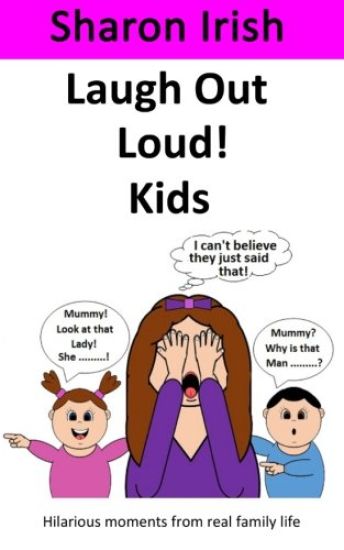
Laugh Out Loud! Kids

Laugh Out Loud! Kids

Sharon Irish

Sharon Irish
2015
nidottu
Hilarious moments from real family life - A collection of true stories and quotes from Parents, other family members and friends, focusing on the hilarious things kids say and do from their first words onwards including: Mixing up words and misunderstandings Copying Embarrassing comments and actions Kids know best Telling tales and getting Parents in trouble Cheeky but funny comments and attitude Observations and understanding of a child Cute and random comments and actions Inquisitive kids and questions Honesty Dishonesty and deviousness Kids' comments on a new baby on the way Kids' comments on new baby when they arrive Have you ever been in public with your kids and they say something so embarrassing and so loud that you just wish the ground would swallow you up? If you have or you've ever witnessed this happening to someone else and had a giggle (behind your hands) then you will love this book which is full of instances just like this. A few snippets from Inside: "When he was about two or three, I had my Son sitting in the cart at the grocery store as I was shopping in the produce section. In walks an old Woman with a cane, an eye patch and a cloth hair covering. My Son started bouncing up and down, pointing and screaming "Mommy Mommy Look, a Pirate " I couldn't even look at the Woman, everyone in the area turned to look at us. I was so red faced " Lorna, USA "When my Daughter was five she asked her Granny "How old are you?" Granny replied "I'm so old I don't remember any more." My Daughter advised her "If you don't remember, you must look in the back of your panties. Mine say five to six."" Ruby, USA
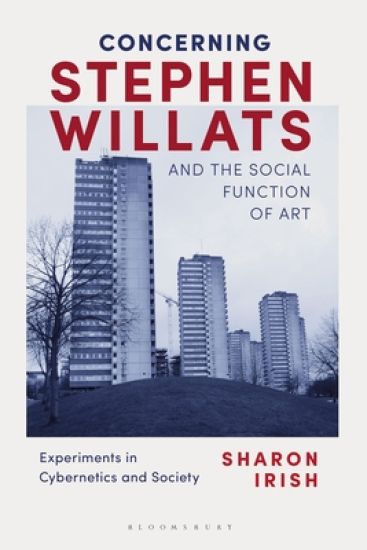
Concerning Stephen Willats and the Social Function of Art
Longlisted for the Historians of British Art (HBA) Book Prize 2022This book on Stephen Willats pulls together key strands of his practice and threads them through histories of British cybernetics, experimental art, and urban design. For Willats, a cluster of concepts about control and feedback within living and machine systems (cybernetics) offered a new means to make art relevant.For decades, Willats has built relationships through art with people in tower blocks, underground clubs, middle-class enclaves, and warehouses on the Isle of Dogs, to investigate their current conditions and future possibilities. Sharon Irish’s study demonstrates the power of Willats’s multi-media art to catalyze communication among participants and to upend ideas about “audience” and “art.” Here, Irish argues that it is artists like Willats who are now the instigators of social transformation.