Kirjojen hintavertailu. Mukana 11 244 527 kirjaa ja 12 kauppaa.

Kirjahaku

Etsi kirjoja tekijän nimen, kirjan nimen tai ISBN:n perusteella.

6 kirjaa tekijältä Sharon Monteith

Pat Barker

Pat Barker

Sharon Monteith

Northcote House Publishers Ltd
2017
nidottu
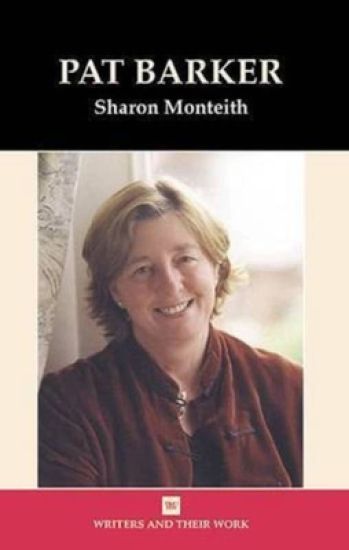
When Pat Barker was published in 2002, it was the first study to investigate this award-winning and popular writer’s fiction in a sustained way. This updated second edition coincides with the centenary of the First World War, a major preoccupation from Liza's England through the Regeneration Trilogyto Toby's Room. Many of Barker’s stories balance on the serrated edges of the military experience as she depicts it, to include bombs, bullets and bayonets but also psychological pressures of conscience and class under which soldiers struggle, and debates over how to represent war in which painters, journalists and writers engage. A creative spur to other writers, Barker’s work is also a primary source for filmmakers. Barker's leading critic, Monteith has interviewed the author about her work over three decades. Here she positions Barker as a supremely contemporary novelist: when she intervenes imaginatively in history, Barker speaks to present concerns over culture and memory.
American Culture in the 1960s

American Culture in the 1960s

Sharon Monteith

Edinburgh University Press
2008
sidottu
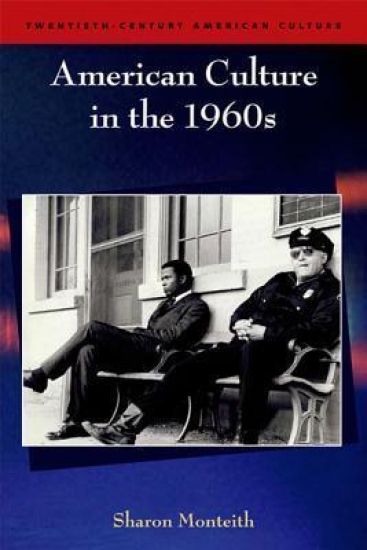
This book charts the changing complexion of American culture in one of the most culturally vibrant of twentieth-century decades. It provides a vivid account of the major cultural forms of 1960s America - music and performance; film and television; fiction and poetry; art and photography - as well as influential texts, trends and figures of the decade: from Norman Mailer to Susan Sontag; from Muhammad Ali's anti-war protests to Tom Lehrer's stand-up comedy; from Bob Dylan to Rachel Carson; and from Pop Art to photojournalism. A chapter on new social movements demonstrates that a current of conservatism runs through even the most revolutionary movements of the 1960s and the book as a whole looks to the West and especially to the South in the making of the sixties as myth and as history. Key Features: * Focused case studies featuring key texts, genres, writers, artists and cultural trends * Detailed chronology of 1960s American culture * Bibliographies for each chapter * Over 30 black and white illustrations
American Culture in the 1960s

American Culture in the 1960s

Sharon Monteith

Edinburgh University Press
2008
nidottu
This book charts the changing complexion of American culture in one of the most culturally vibrant of twentieth-century decades. It provides a vivid account of the major cultural forms of 1960s America - music and performance; film and television; fiction and poetry; art and photography - as well as influential texts, trends and figures of the decade: from Norman Mailer to Susan Sontag; from Muhammad Ali's anti-war protests to Tom Lehrer's stand-up comedy; from Bob Dylan to Rachel Carson; and from Pop Art to photojournalism. A chapter on new social movements demonstrates that a current of conservatism runs through even the most revolutionary movements of the 1960s and the book as a whole looks to the West and especially to the South in the making of the sixties as myth and as history. Key Features: * Focused case studies featuring key texts, genres, writers, artists and cultural trends * Detailed chronology of 1960s American culture * Bibliographies for each chapter * Over 30 black and white illustrations
Advancing Sisterhood?

Advancing Sisterhood?

Sharon Monteith

University of Georgia Press
2001
sidottu
Though black and white women have long been associated with the heart of southern culture, their relationships with each other in the context of contemporary southern fiction have been largely glossed over until now. In Advancing Sisterhood? Sharon Monteith offers an enlightening map of this new literary ground. Beginning with an overview of the theory and literary incarnations of friendship, Advancing Sisterhood? examines how prevalent specific relationships between black and white women have become in the works of Ellen Douglas, Kaye Gibbons, Connie Mae Fowler, Lane von Herzen, Ellen Gilchrist, Carol Dawson, and others. Monteith explains that interracial friendships have become an alluring topic for white women writers. She also examines these friendships in relation to the ways black women writers and critics have pictured black and white girls and women in the South.Advancing Sisterhood? explores childhood female relationships in such works as Ellen Foster and Before Women Had Wings and considers recent ecocriticism and its role in charting the female southern landscape. Monteith also provides an in-depth examination of the archetypal friendship between white housewives and their black servants. Through these discussions, Advancing Sisterhood? demonstrates how contemporary white women writers have broadened their work to include friendships between women of diverse backgrounds and to influence literary expression.
SNCC's Stories

SNCC's Stories

Sharon Monteith

University of Georgia Press
2020
pokkari
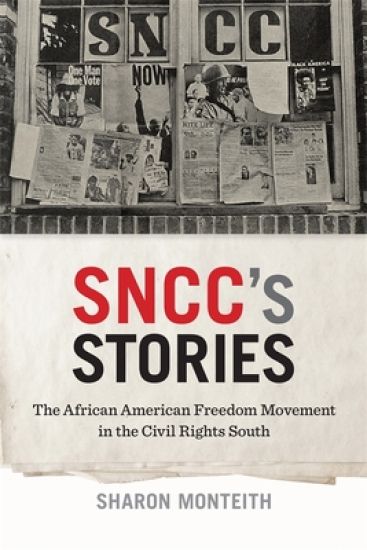
Formed in 1960 in Raleigh, North Carolina, the Student Non-violent Coordinating Committee (SNCC) was a high-profile civil rights collective led by young people. For Howard Zinn in 1964, SNCC members were “new abolitionists,” but SNCC pursued radical initiatives and Black Power politics in addition to reform. It was committed to grassroots organizing in towns and rural communities, facilitating voter registration and direct action through “projects” embedded in Freedom Houses, especially in the South: the setting for most of SNCC’s stories. Over time, it changed from a tight cadre into a disparate group of many constellations but stood out among civil rights organizations for its participatory democracy and emphasis on local people deciding the terms of their battle for social change. Organizers debated their role and grappled with SNCC’s responsibility to communities, to the “walking wounded” damaged by racial terrorism, and to individuals who died pursuing racial justice. SNCC’s Stories examines the organization’s print and publishing culture, uncovering how fundamental self- and group narration is for the undersung heroes of social movements. The organizer may be SNCC’s dramatis persona, but its writers have been overlooked. In the 1960s it was assumed established literary figures would write about civil rights, and until now, critical attention has centered on the Black Arts Movement, neglecting what SNCC’s writers contributed. Sharon Monteith gathers hard-to-find literature where the freedom movement in the civil rights South is analyzed as subjective history and explored imaginatively. SNCC’s print culture consists of field reports, pamphlets, newsletters, fiction, essays, poetry, and plays, which serve as intimate and illuminative sources for understanding political action. SNCC's literary history contributes to the organization's legacy.
SNCC's Stories

SNCC's Stories

Sharon Monteith

University of Georgia Press
2020
sidottu
Formed in 1960 in Raleigh, North Carolina, the Student Non-violent Coordinating Committee (SNCC) was a high-profile civil rights collective led by young people. For Howard Zinn in 1964, SNCC members were “new abolitionists,” but SNCC pursued radical initiatives and Black Power politics in addition to reform. It was committed to grassroots organizing in towns and rural communities, facilitating voter registration and direct action through “projects” embedded in Freedom Houses, especially in the South: the setting for most of SNCC’s stories. Over time, it changed from a tight cadre into a disparate group of many constellations but stood out among civil rights organizations for its participatory democracy and emphasis on local people deciding the terms of their battle for social change. Organizers debated their role and grappled with SNCC’s responsibility to communities, to the “walking wounded” damaged by racial terrorism, and to individuals who died pursuing racial justice. SNCC’s Stories examines the organization’s print and publishing culture, uncovering how fundamental self- and group narration is for the undersung heroes of social movements. The organizer may be SNCC’s dramatis persona, but its writers have been overlooked. In the 1960s it was assumed established literary figures would write about civil rights, and until now, critical attention has centered on the Black Arts Movement, neglecting what SNCC’s writers contributed. Sharon Monteith gathers hard-to-find literature where the freedom movement in the civil rights South is analyzed as subjective history and explored imaginatively. SNCC’s print culture consists of field reports, pamphlets, newsletters, fiction, essays, poetry, and plays, which serve as intimate and illuminative sources for understanding political action. SNCC's literary history contributes to the organization's legacy.