Kirjojen hintavertailu. Mukana 12 016 292 kirjaa ja 12 kauppaa.

Kirjahaku

Etsi kirjoja tekijän nimen, kirjan nimen tai ISBN:n perusteella.

4 kirjaa tekijältä Sharon Strom

Becoming St. Louis

Becoming St. Louis

Sharon Strom

UNIVERSITY OF ILLINOIS PRESS
2025
sidottu
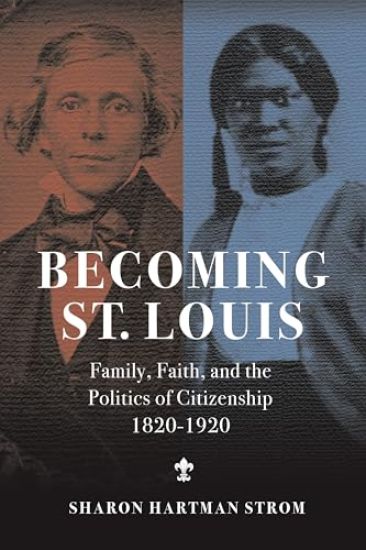
Women, African Americans, and the evolution of an American city St. Louis was the pivot of the free states and slave states and the border of the settled East and frontier West. Sharon Hartman Strom draws on disparate and previously untapped sources to weave the personal and public lives of women and both free and enslaved African Americans into city history. Strom's analysis shows how the embrace of Protestantism by people of color sparked a vigorous antislavery movement. During the Civil War, several prominent citizens served in the Lincoln cabinet and Congress while Missouri's decision to remain in the Union allowed the city to find its own ways to end slavery and grant citizenship to African Americans. Years later, biracial movements to advance equality collapsed when the East St. Louis race riot of 1917 affirmed that racist attitudes and structures still dominated the region. Illuminating and nuanced, Becoming St. Louis offers a diverse social and political history of the city during a transformative era.
Becoming St. Louis

Becoming St. Louis

Sharon Strom

UNIVERSITY OF ILLINOIS PRESS
2025
nidottu
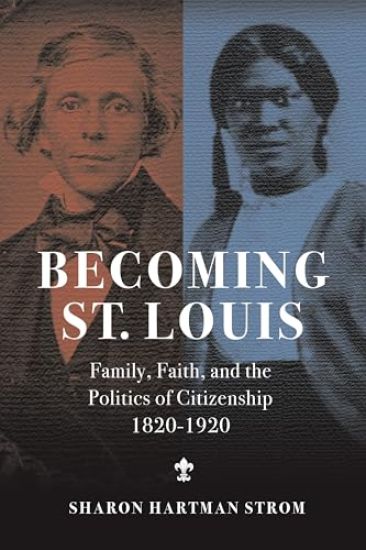
Women, African Americans, and the evolution of an American city St. Louis was the pivot of the free states and slave states and the border of the settled East and frontier West. Sharon Hartman Strom draws on disparate and previously untapped sources to weave the personal and public lives of women and both free and enslaved African Americans into city history. Strom's analysis shows how the embrace of Protestantism by people of color sparked a vigorous antislavery movement. During the Civil War, several prominent citizens served in the Lincoln cabinet and Congress while Missouri's decision to remain in the Union allowed the city to find its own ways to end slavery and grant citizenship to African Americans. Years later, biracial movements to advance equality collapsed when the East St. Louis race riot of 1917 affirmed that racist attitudes and structures still dominated the region. Illuminating and nuanced, Becoming St. Louis offers a diverse social and political history of the city during a transformative era.
Political Woman: Florence

Political Woman: Florence

Sharon Strom

Temple University Press,U.S.
2001
sidottu
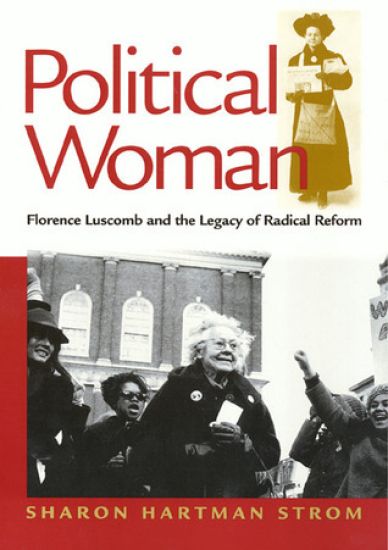
Florence Hope Luscomb's life spanned nearly all of the twentieth century. Born into a remarkable family of abolitionists and progressive thinkers, the young Florence accompanied her feminist mother to lectures and political rallies, soon choosing a course of political engagement and social activism from which she never retreated. Politcal Women counters the traditional narratives that place men at the center of political thinking and history. Showing how three generations of Luscomb's family had set the stage for her activism, this biography presents her story against the backdrop of Boston's politics and larger struggles for social justice. Luscomb participated in every significant social reform movement of her time -- from securing women's right to vote and supporting trade unionism to advocating an end to the war in Vietnam. Luscomb also ran for public office; she was narrowly defeated when she ran for Boston's city council in 1922. Although unsuccessful as a third-party candidate for Congress (in 1936 and 1950) and for Governor of Massachusetts (in 1952), she was one of the few women of her time to seek office. Independent, athletic, and spirited, she apparently never thought that traditional gender prescriptions applied to her. A practicing architect before the First World War, an exuberant hiker all her life, and a member in collective-living arrangements, Luscomb enjoyed a life of rich experiences and sustaining relationships. In Florence Luscomb's biography, Sharon Hartman Strom suggests that although women were excluded from the activities and sites associated with conventional politics until recently, they did political work that gave purpose to their lives and affected political thinking in their communities, states, and ultimately the nation.
Political Woman: Florence

Political Woman: Florence

Sharon Strom

Temple University Press,U.S.
2001
pokkari
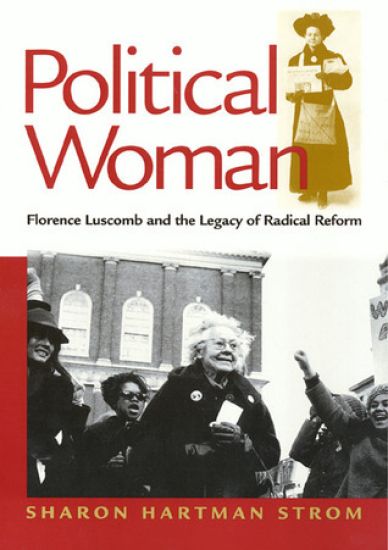
Florence Hope Luscomb's life spanned nearly all of the twentieth century. Born into a remarkable family of abolitionists and progressive thinkers, the young Florence accompanied her feminist mother to lectures and political rallies, soon choosing a course of political engagement and social activism from which she never retreated. Politcal Women counters the traditional narratives that place men at the center of political thinking and history. Showing how three generations of Luscomb's family had set the stage for her activism, this biography presents her story against the backdrop of Boston's politics and larger struggles for social justice. Luscomb participated in every significant social reform movement of her time -- from securing women's right to vote and supporting trade unionism to advocating an end to the war in Vietnam. Luscomb also ran for public office; she was narrowly defeated when she ran for Boston's city council in 1922. Although unsuccessful as a third-party candidate for Congress (in 1936 and 1950) and for Governor of Massachusetts (in 1952), she was one of the few women of her time to seek office. Independent, athletic, and spirited, she apparently never thought that traditional gender prescriptions applied to her. A practicing architect before the First World War, an exuberant hiker all her life, and a member in collective-living arrangements, Luscomb enjoyed a life of rich experiences and sustaining relationships. In Florence Luscomb's biography, Sharon Hartman Strom suggests that although women were excluded from the activities and sites associated with conventional politics until recently, they did political work that gave purpose to their lives and affected political thinking in their communities, states, and ultimately the nation.