Kirjojen hintavertailu. Mukana 11 699 587 kirjaa ja 12 kauppaa.

Kirjahaku

Etsi kirjoja tekijän nimen, kirjan nimen tai ISBN:n perusteella.

5 kirjaa tekijältä Shaun Tougher

The Eunuch in Byzantine History and Society
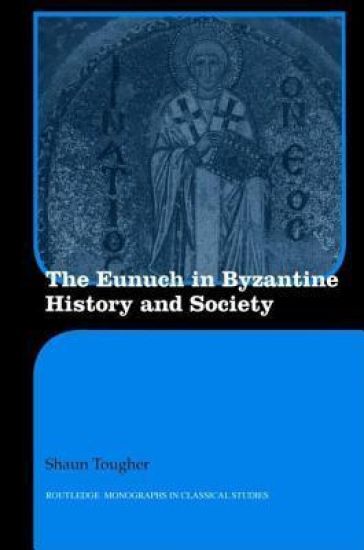
The existence of eunuchs was one of the defining features of the Byzantine Empire. Covering the whole span of the history of the empire, from the fourth to the fifteenth centuries AD, Shaun Tougher presents a comprehensive survey of the history and roles of eunuchs, making use of extensive comparative material, such as from China, Persia and the Ottoman Empire, as well as about castrato singers of the eighteenth century of Enlightenment Europe, and self-castrating religious devotees such as the Galli of ancient Rome, early Christians, the Skoptsy of Russia and the Hijras of India.The various roles played by eunuchs are examined. They are not just found as servile attendants; some were powerful political players – such as Chrysaphius who plotted to assassinate Attila the Hun – and others were prominent figures in Orthodoxy as bishops and monks. Furthermore, there is offered an analysis of how society thought about eunuchs, especially their gender identity - were they perceived as men, women, or a third sex? The broad survey of the political and social position of eunuchs in the Byzantine Empire is placed in the context of the history of the eunuch in general. An appendix listing key eunuchs of the Byzantine Empire describing their careers is included, and the text is fully illustrated.
The Eunuch in Byzantine History and Society
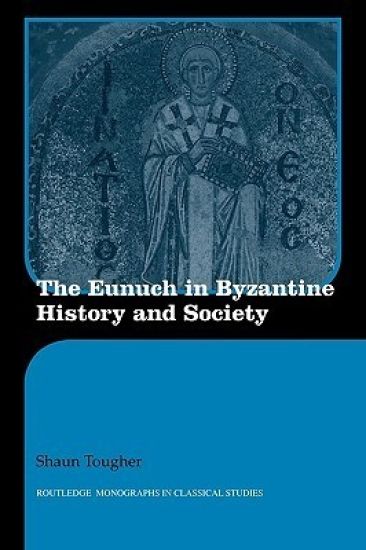
The existence of eunuchs was one of the defining features of the Byzantine Empire. Covering the whole span of the history of the empire, from the fourth to the fifteenth centuries AD, Shaun Tougher presents a comprehensive survey of the history and roles of eunuchs, making use of extensive comparative material, such as from China, Persia and the Ottoman Empire, as well as about castrato singers of the eighteenth century of Enlightenment Europe, and self-castrating religious devotees such as the Galli of ancient Rome, early Christians, the Skoptsy of Russia and the Hijras of India.The various roles played by eunuchs are examined. They are not just found as servile attendants; some were powerful political players – such as Chrysaphius who plotted to assassinate Attila the Hun – and others were prominent figures in Orthodoxy as bishops and monks. Furthermore, there is offered an analysis of how society thought about eunuchs, especially their gender identity - were they perceived as men, women, or a third sex? The broad survey of the political and social position of eunuchs in the Byzantine Empire is placed in the context of the history of the eunuch in general. An appendix listing key eunuchs of the Byzantine Empire describing their careers is included, and the text is fully illustrated.
Julian the Apostate

Julian the Apostate

Shaun Tougher

Edinburgh University Press
2007
nidottu
This new study of the last pagan Roman emperor provides remarkable insight into the man and his times. The figure of Julian demands the attention of historians. As the last pagan Roman Emperor, he provides a focus for studying the religious transformations that were taking place in the empire in the fourth century. Further, his secular policies and concerns concentrate attention on other transformations -- social and political -- within the period. Notably, Julian elicited sharply divided opinion from his contemporaries, which is largely polarised between pagan supporters and Christian opponents. Such division of opinion is also matched by the modern literature on him. Was he the prospective saviour of the Roman Empire, or was he out-of-touch and living in the past? Was he an evangelist for Mithraism, or an altogether more traditional pagan? Was he a shrewd military man, or a rash risk-taker whose luck spectacularly ran out on his Persian expedition? These questions and more are asked and discussed, allowing students to reach their own verdict on this exciting and controversial emperor. Key Features: *Issues of historical significance are identified and discussed *Key passages of text are gathered and accessible in one volume *Modern interpretations of Julian are presented and considered
The Roman Castrati

The Roman Castrati

Shaun Tougher

BLOOMSBURY PUBLISHING PLC
2022
nidottu
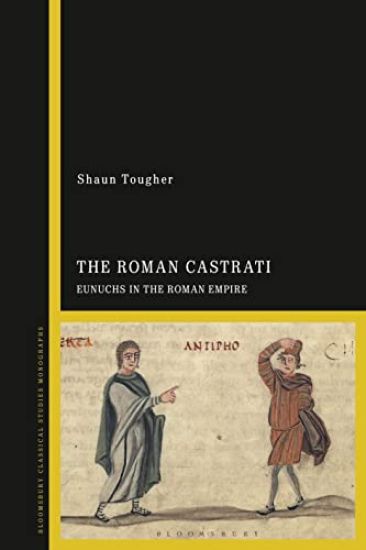
Eunuchs tend to be associated with eastern courts, popularly perceived as harem personnel. However, the Roman empire was also distinguished by eunuchs – they existed as slaves, court officials, religious figures and free men. This book is the first to be devoted to the range of Roman eunuchs. Across seven chapters (spanning the third century BC to the sixth century AD), Shaun Tougher examines the history of Roman eunuchs, focusing on key texts and specific individuals. Subjects met include the Galli (the self-castrating devotees of the goddess the Great Mother), Terence’s comedy The Eunuch (the earliest surviving Latin text to use the word ‘eunuch’), Sporus and Earinus the eunuch favourites of the emperors Nero and Domitian, the ‘Ethiopian eunuch’ of the Acts of the Apostles (an early convert to Christianity), Favorinus of Arles (a superstar intersex philosopher), the Grand Chamberlain Eutropius (the only eunuch ever to be consul), and Narses the eunuch general who defeated the Ostrogoths and restored Italy to Roman rule. A key theme of the chapters is gender, inescapable when studying castrated males. Ultimately this book is as much about the eunuch in the Roman imagination as it is the reality of the eunuch in the Roman empire.
The Roman Castrati

The Roman Castrati

Shaun Tougher

Continuum International Publishing Group Ltd.
2020
sidottu
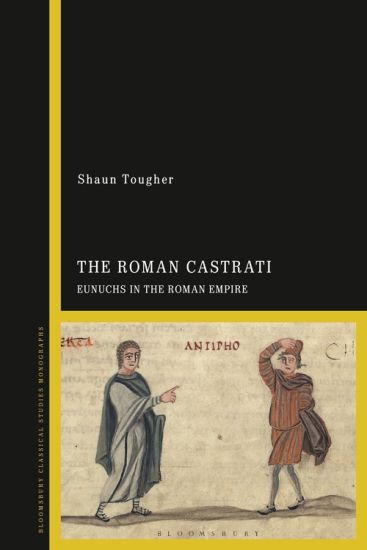
Eunuchs tend to be associated with eastern courts, popularly perceived as harem personnel. However, the Roman empire was also distinguished by eunuchs – they existed as slaves, court officials, religious figures and free men. This book is the first to be devoted to the range of Roman eunuchs. Across seven chapters (spanning the third century BC to the sixth century AD), Shaun Tougher examines the history of Roman eunuchs, focusing on key texts and specific individuals. Subjects met include the Galli (the self-castrating devotees of the goddess the Great Mother), Terence’s comedy The Eunuch (the earliest surviving Latin text to use the word ‘eunuch’), Sporus and Earinus the eunuch favourites of the emperors Nero and Domitian, the ‘Ethiopian eunuch’ of the Acts of the Apostles (an early convert to Christianity), Favorinus of Arles (a superstar intersex philosopher), the Grand Chamberlain Eutropius (the only eunuch ever to be consul), and Narses the eunuch general who defeated the Ostrogoths and restored Italy to Roman rule. A key theme of the chapters is gender, inescapable when studying castrated males. Ultimately this book is as much about the eunuch in the Roman imagination as it is the reality of the eunuch in the Roman empire.