Kirjojen hintavertailu. Mukana 11 342 296 kirjaa ja 12 kauppaa.

Kirjahaku

Etsi kirjoja tekijän nimen, kirjan nimen tai ISBN:n perusteella.

6 kirjaa tekijältä Signe Cohen

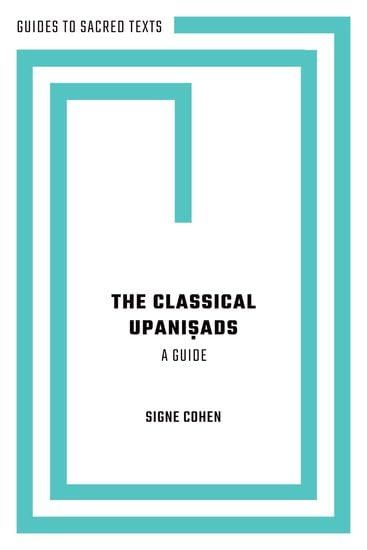
The Classical Upani?ads

The Classical Upani?ads

Signe Cohen

OXFORD UNIVERSITY PRESS INC
2024
nidottu
The Upani?ads are rich and complex Sanskrit Hindu scriptures dating back to the 8th century BCE and are a staple of world religion courses across the globe. In this volume, Signe Cohen guide readers through on the thirteen "Classical Upani?ads," those generally regarded as the oldest: Bhadrayaka, Chandogya, Taittiriya, Aitareya, Isa, Kena, Katha, Mundaka, Svetasvatara, Mandukya, Prasna, Kausitaki, and Maitri Upanisad. Where most survey textbooks present a cursory overview of these texts, The Classical Upani?ads: A Guide provides a nuanced but accessible exploration of the Upani?ads that will benefit both scholars, students, and general readers alike. This volume explores the historical, geographical, and social context of the Classical Upani?ads and discusses issues of dating, authorship, and transmission of the texts. Cohen also breaks down central ideas in the Upani?ads, such as atman, brahman, karma, reincarnation, moksa, knowledge, and sacred sounds (mantras). The text also discusses the importance of the Upani?ads for Hinduism and Indian culture, as well as the reception of the Upani?ads in the West. Through exploring these works, their key characters and ideas, and their impact on Hinduism's core beliefs, Cohen provides the reader a thorough but approachable entry into these seminal texts.
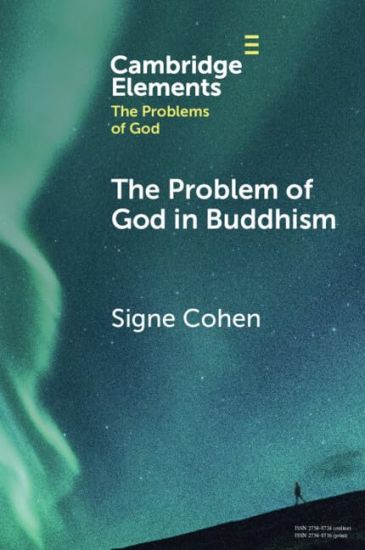
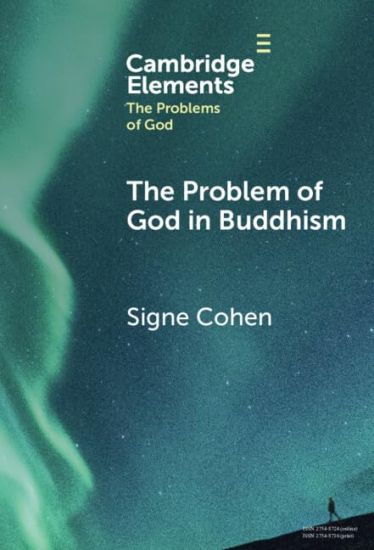
The Problem of God in Buddhism

The Problem of God in Buddhism

Signe Cohen

Cambridge University Press
2025
pokkari
Since Buddhism does not include a belief in a personal god instrumental to the creation of the world or to human salvation, it is often assumed that gods play no part in Buddhism at all. This Element complicates the simplistic assessment of Buddhism as an 'atheistic religion' and discusses the various roles deities play in Buddhist texts and practice. The Problem of God in Buddhism includes a comprehensive analysis of the Buddhist refutations of a creator God, the idea of salvation without divine intervention, the role of minor deities in Buddhism, the question of whether Buddhas and Bodhisattvas can function as gods in certain forms of Buddhism, and the notion of the sacred as apart from the divine in Buddhist traditions.
The Problem of God in Buddhism

The Problem of God in Buddhism

Signe Cohen

Cambridge University Press
2025
sidottu
Since Buddhism does not include a belief in a personal god instrumental to the creation of the world or to human salvation, it is often assumed that gods play no part in Buddhism at all. This Element complicates the simplistic assessment of Buddhism as an 'atheistic religion' and discusses the various roles deities play in Buddhist texts and practice. The Problem of God in Buddhism includes a comprehensive analysis of the Buddhist refutations of a creator God, the idea of salvation without divine intervention, the role of minor deities in Buddhism, the question of whether Buddhas and Bodhisattvas can function as gods in certain forms of Buddhism, and the notion of the sacred as apart from the divine in Buddhist traditions.
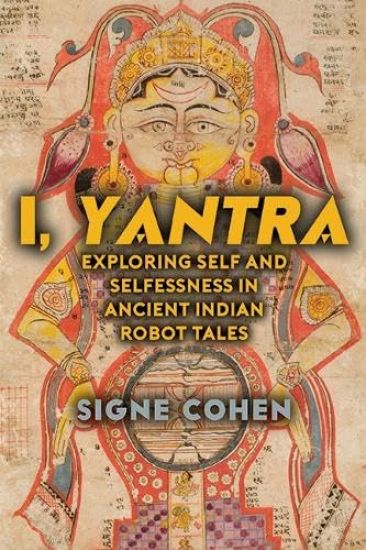
I, Yantra

I, Yantra

Signe Cohen

STATE UNIVERSITY OF NEW YORK PRESS
2024
sidottu
Argues that ancient yantra (robot) tales reveal how their Hindu, Buddhist, and Jain authors thought about the nature of humanity and our role in a cosmos filled with divine and natural forces.What does it mean to be human? I, Yantra examines ancient Indian narratives about robots and mechanically constructed beings to explore how their Hindu, Jain, and Buddhist authors approached this question. Making translations of many of these texts available in English for the first time, author Signe Cohen argues that they shed considerable light on South Asian religious notions of humanity, self, and agency. She also documents connections between ancient and modern responses to the ethical problems of what precisely constitutes a sentient being and what rights such a being should have. Situated at the intersection of humanities and bioethics, this cross-disciplinary study will be of interest to scholars of South Asian languages and literature as well as specialists in religion and technology.
I, Yantra

I, Yantra

Signe Cohen

STATE UNIVERSITY OF NEW YORK PRESS
2024
pokkari
Argues that ancient yantra (robot) tales reveal how their Hindu, Buddhist, and Jain authors thought about the nature of humanity and our role in a cosmos filled with divine and natural forces.What does it mean to be human? I, Yantra examines ancient Indian narratives about robots and mechanically constructed beings to explore how their Hindu, Jain, and Buddhist authors approached this question. Making translations of many of these texts available in English for the first time, author Signe Cohen argues that they shed considerable light on South Asian religious notions of humanity, self, and agency. She also documents connections between ancient and modern responses to the ethical problems of what precisely constitutes a sentient being and what rights such a being should have. Situated at the intersection of humanities and bioethics, this cross-disciplinary study will be of interest to scholars of South Asian languages and literature as well as specialists in religion and technology.
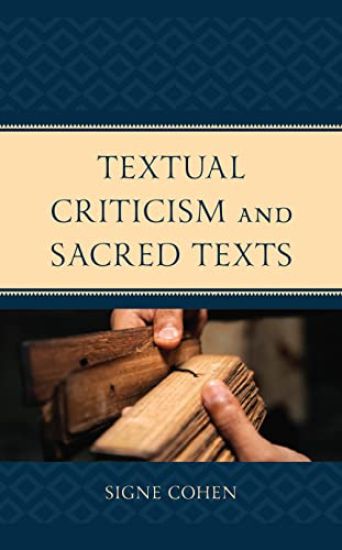
Textual Criticism and Sacred Texts

Textual Criticism and Sacred Texts

Signe Cohen

BLOOMSBURY PUBLISHING PLC
2023
sidottu
In Textual Criticism and Sacred Texts: A Comparative Method, Signe Cohen looks at the text-critical scholarship on sacred texts across disciplines. She traces the development of the genealogical method and discusses its role in textual criticism today. The book examines the applicability of traditional text-critical methods to oral texts as well as the roles of translations and commentaries in textual criticism. Cohen then turns to the under-theorized question of the relationship between religion and text-critical scholarship and outlines ethics of textual criticism applied to religious texts. She then discusses how new digital technologies will change the textual scholarship of the future and proposes new ways that scholars can collaborate across sub-disciplines.