Kirjojen hintavertailu. Mukana 12 016 292 kirjaa ja 12 kauppaa.

Kirjahaku

Etsi kirjoja tekijän nimen, kirjan nimen tai ISBN:n perusteella.

11 kirjaa tekijältä Simon Bell

Elements of Visual Design in the Landscape
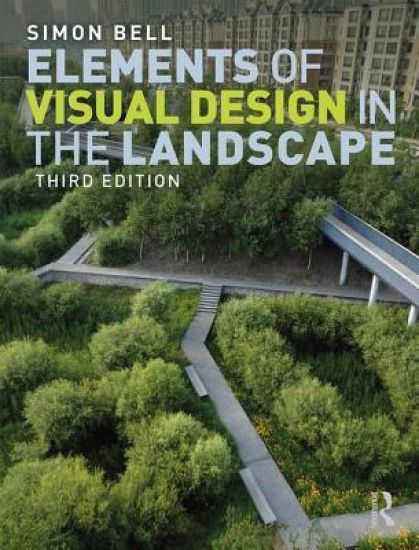
What makes a visually appealing landscape? How can the design and use of a landscape be harmonized? In this significantly revised and updated third edition of Simon Bell's seminal text, he further explores the answers to these questions by interrogating a range of design principles, applications and ideas.Written for students, instructors and professionals, the book unveils a visual design vocabulary for anyone involved with landscape aesthetics including landscape architects, architects, planners, urban designers, landscape managers, foresters, geographers and ecologists. Structured around key design terms, which are explained and illustrated using an extensive range of examples from around the world, including North America, Europe and Asia, this book enables you to describe, debate and design the visual landscape. It starts with basic elements, before moving onto variable design components, and then the ways these elements are organized into compositions, in order to demonstrate how landscapes are created and how meanings and patterns are perceived within them.This new full colour edition contains over 240 images; an updated introduction; examples from China, Vietnam and central Asia; a chapter on how to read and understand visual design elements in the landscape; a teaching model for instructors; and expanded appendix materials including a glossary, references and further reading.
Elements of Visual Design in the Landscape
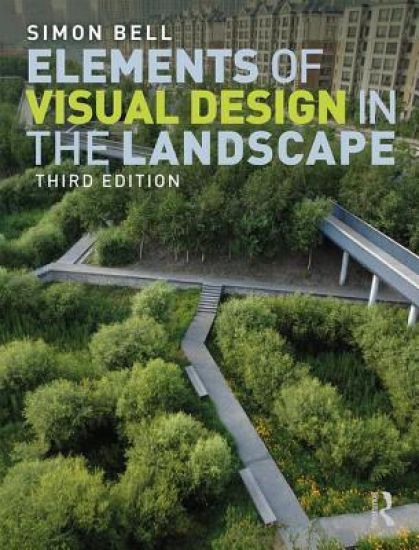
What makes a visually appealing landscape? How can the design and use of a landscape be harmonized? In this significantly revised and updated third edition of Simon Bell's seminal text, he further explores the answers to these questions by interrogating a range of design principles, applications and ideas.Written for students, instructors and professionals, the book unveils a visual design vocabulary for anyone involved with landscape aesthetics including landscape architects, architects, planners, urban designers, landscape managers, foresters, geographers and ecologists. Structured around key design terms, which are explained and illustrated using an extensive range of examples from around the world, including North America, Europe and Asia, this book enables you to describe, debate and design the visual landscape. It starts with basic elements, before moving onto variable design components, and then the ways these elements are organized into compositions, in order to demonstrate how landscapes are created and how meanings and patterns are perceived within them.This new full colour edition contains over 240 images; an updated introduction; examples from China, Vietnam and central Asia; a chapter on how to read and understand visual design elements in the landscape; a teaching model for instructors; and expanded appendix materials including a glossary, references and further reading.
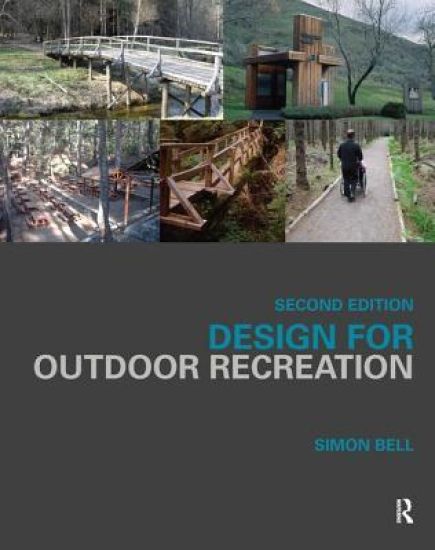
Design for Outdoor Recreation

Design for Outdoor Recreation

Simon Bell

Taylor Francis Ltd
2008
nidottu
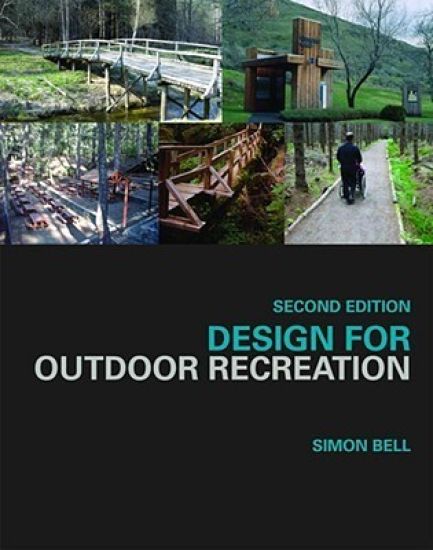
Design for Outdoor Recreation takes a detailed look at all aspects of design of facilities needed by visitors to outdoor recreation destinations. The book is a comprehensive manual for planners, designers and managers of recreation taking them through the processes of design and enabling them to find the most appropriate balance between visitor needs and the capacity of the landscape. A range of different aspects are covered including car parking, information signing, hiking, waterside activities, wildlife watching and camping. This second edition incorporates new examples from overseas, including Australia, New Zealand, Japan and Eastern Europe as well as focusing on more current issues such as accessibility and the changing demands for recreational use.
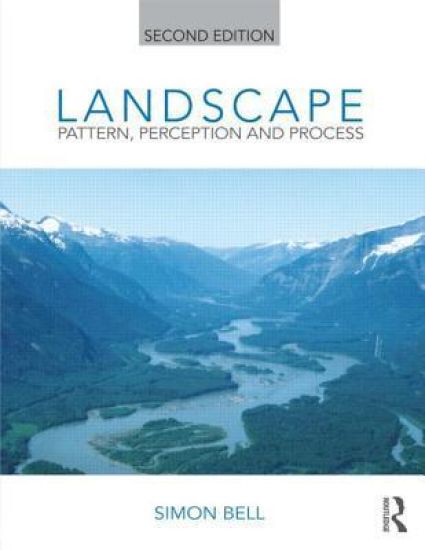
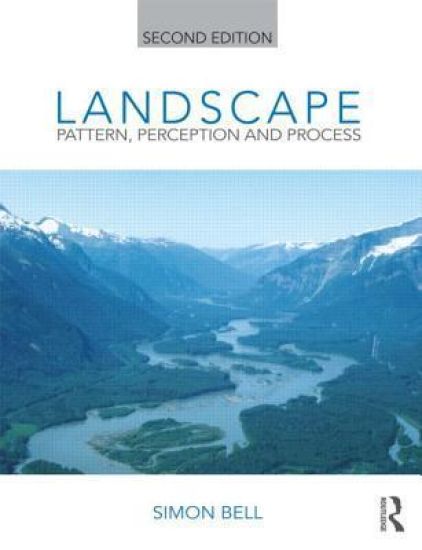
Landscape: Pattern, Perception and Process
Landscapes develop and evolve through an interacting series of processes – climatic, geological, ecological and cultural – over varying periods of time. These processes shape the structure and character of the landscapes which we experience. Over time, distinctive patterns emerge – ranging in scale from the distribution of small plants to the sculptured sides of a huge canyon. Our perception of these patterns goes beyond just their visual appreciation – beautiful though they may be – into a richer understanding of how we experience our environment.By understanding this complex pattern–process interaction we can obtain a deeper awareness of landscape and our place in it – as inhabitants and as shapers. The book explores the nature of patterns and ways of classifying them before studying the nature of perception (primarily visual but including other senses), then proceeds to relate this perception to aesthetics and from there to the design process. From this point the main driving processes in landscape are introduced alongside the resulting patterns, these being climatic, landform, ecosystem and cultural aspects.It is this integrative approach of looking at landscape as a kind of self-organising system, overlaid by conscious human planning activities and the unity of pattern and process, which makes this book unique. Landscape draws from a wide range of neighbouring disciplines, of which the landscape planner or designer needs to be aware, but which are often taught as distinct elements. Bell binds these fundamentals together, which enables the landscape to be ‘read’, and this reading to be used as the basis for planning and design.This second edition updates and refreshes the original material with added sections and new photos, particularly making use of the developments in satellite photography. Featuring full colour throughout, this textbook is ideal for anyone studying landscape architecture or any of the disciplines which intersect with the landscape, and which affect it.
Landscape: Pattern, Perception and Process
Landscapes develop and evolve through an interacting series of processes – climatic, geological, ecological and cultural – over varying periods of time. These processes shape the structure and character of the landscapes which we experience. Over time, distinctive patterns emerge – ranging in scale from the distribution of small plants to the sculptured sides of a huge canyon. Our perception of these patterns goes beyond just their visual appreciation – beautiful though they may be – into a richer understanding of how we experience our environment.By understanding this complex pattern–process interaction we can obtain a deeper awareness of landscape and our place in it – as inhabitants and as shapers. The book explores the nature of patterns and ways of classifying them before studying the nature of perception (primarily visual but including other senses), then proceeds to relate this perception to aesthetics and from there to the design process. From this point the main driving processes in landscape are introduced alongside the resulting patterns, these being climatic, landform, ecosystem and cultural aspects.It is this integrative approach of looking at landscape as a kind of self-organising system, overlaid by conscious human planning activities and the unity of pattern and process, which makes this book unique. Landscape draws from a wide range of neighbouring disciplines, of which the landscape planner or designer needs to be aware, but which are often taught as distinct elements. Bell binds these fundamentals together, which enables the landscape to be ‘read’, and this reading to be used as the basis for planning and design.This second edition updates and refreshes the original material with added sections and new photos, particularly making use of the developments in satellite photography. Featuring full colour throughout, this textbook is ideal for anyone studying landscape architecture or any of the disciplines which intersect with the landscape, and which affect it.
Design for Outdoor Recreation

Design for Outdoor Recreation

Simon Bell

CRC Press
2017
sidottu
Design for Outdoor Recreation takes a detailed look at all aspects of design of facilities needed by visitors to outdoor recreation destinations. The book is a comprehensive manual for planners, designers and managers of recreation taking them through the processes of design and enabling them to find the most appropriate balance between visitor needs and the capacity of the landscape. A range of different aspects are covered including car parking, information signing, hiking, waterside activities, wildlife watching and camping. This second edition incorporates new examples from overseas, including Australia, New Zealand, Japan and Eastern Europe as well as focusing on more current issues such as accessibility and the changing demands for recreational use.
Sustainability Indicators

Sustainability Indicators

Simon Bell

Routledge
2017
sidottu
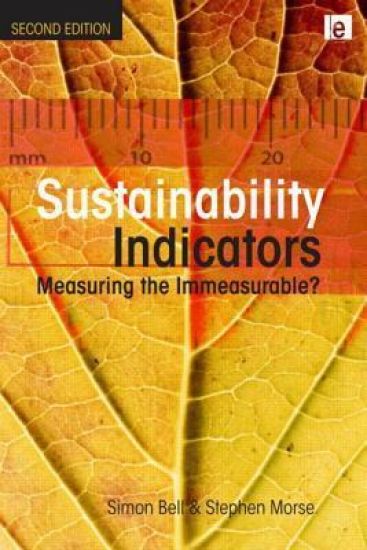
The groundbreaking first edition of Sustainability Indicators reviewed the development and value of sustainability indicators and discussed the advantage of taking a holistic and qualitative approach rather than focusing on strictly quantitative measures. In the new edition the authors bring the literature up to date and show that the basic requirement for a systemic approach is now well grounded in the evidence. They examine the origins and development of Systemic Sustainability Analysis (SSA) as a theoretical approach to sustainability which has been developed in practice in a number of countries on an array of projects since the first edition. They look at how SSA has evolved into the practical approaches of Systemic Prospective Sustainability Analysis (SPSA) and IMAGINE, and, in particular how a wide range of participatory methodologies have been adopted over the years. They also provide an assessment of the strengths and weaknesses of projects that undertake work in the general field of sustainable development.
Remembering the Holocaust and the Impact on Societies Today
The Holocaust is the most researched and written about genocide in history. Known facts should be beyond dispute. Yet Holocaust memory is often formed and dictated by governments and others with an agenda to fulfil, or by deniers who seek to rewrite the past due to vested interests and avowed prejudices. Legislation can be used to prosecute hate crime and genocide denial, but it has also been created to protect the reputation of nation states and the inhabitants of countries previously occupied and oppressed by the regime of Nazi Germany. The crimes of the Holocaust are, of course, rightly seen mainly as the work of the Nazi regime, but there is a reality that some citizens of subjugated lands participated in, colluded and collaborated with those crimes, and on occasion committed crimes and atrocities against Jews independently of the Nazis. Others facilitated and enabled the Nazis by allowing industries to work with the Germans; some showed hostility, indifference and reluctance to assist Jewish refugees, or, due to antipathy, apathy, greed, self-interest or out-and-out anti-Semitism they allowed or even encouraged barbaric and cruel crimes to take place. Survivors of the Holocaust often express a primary desire that lessons of the past must be learned in order to reduce the risk of similar crimes reoccurring. Yet anti-Semitism is still a toxin in the modern world, and racism and hostility to other communities -including those who suffer in or have fled war and oppression -can at times appear normalised and socially acceptable. This book seeks to explore aspects of the Holocaust as it is remembered and reflect ultimately on parallels with the world we live in today.
Sustainability Indicators

Sustainability Indicators

Simon Bell

Earthscan Ltd
2008
nidottu
The groundbreaking first edition of Sustainability Indicators reviewed the development and value of sustainability indicators and discussed the advantage of taking a holistic and qualitative approach rather than focusing on strictly quantitative measures. In the new edition the authors bring the literature up to date and show that the basic requirement for a systemic approach is now well grounded in the evidence.They examine the origins and development of Systemic Sustainability Analysis (SSA) as a theoretical approach to sustainability which has been developed in practice in a number of countries on an array of projects since the first edition. They look at how SSA has evolved into the practical approaches of Systemic Prospective Sustainability Analysis (SPSA) and IMAGINE, and, in particular how a wide range of participatory methodologies have been adopted over the years. They also provide an assessment of the strengths and weaknesses of projects that undertake work in the general field of sustainable development.
Auschwitz-Birkenau: From Hell To Hope?

Auschwitz-Birkenau: From Hell To Hope?

Simon Bell

Waterfront Digital Press
2017
nidottu
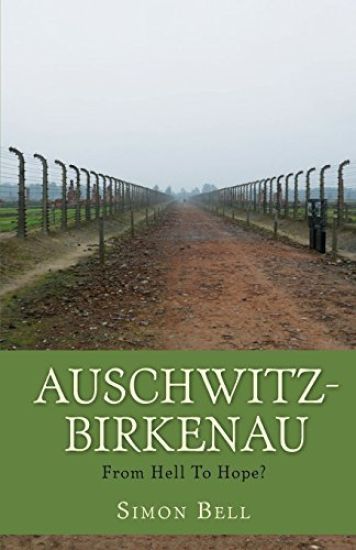
About the BookA non-academic book exploring the history of Auschwitz. It includes some of the main people involved in the genocide that took place there, selected accounts of survivors, the camp as it is today, the seventieth anniversary of the liberation of Auschwitz, and discussion about hate, intolerance, and the world we live in today. The book is aimed at those who are new to the subject, those who have limited knowledge of the Holocaust and other genocides, and at those who seek to make sure that the lessons of the past continue to be learned.
Tribalism and Prejudice: The Far-Right and Lessons From History

Tribalism and Prejudice: The Far-Right and Lessons From History

Simon Bell

Createspace Independent Publishing Platform
2017
nidottu
Tribalism, prejudice, and racial hatred are concepts that are attributed to the extremes, but, in reality, they are commonplace and in many ways the social and political norm.In this brief work these issues are discussed alongside reflection on the genocides of the Holocaust and in Bosnia. Can the hatreds of those periods be understood, and do they have parallels in society today? Is modern populist nationalism in westernized democracies something that is a cause for concern? Is there a racist personality? Are there benefits from understanding why some in society perceive others to be an economic, symbolic, or cultural threat?The ability to understand hate does not excuse it. But understanding empowers those who wish to challenge intolerance. This work provides some answers by reference to various academic studies. It also asks questions that have yet to be answered. It is hoped that it will help to enable and equip others to ask those same questions and seek to contribute to a more informed debate.