

Kirjahaku
Etsi kirjoja tekijän nimen, kirjan nimen tai ISBN:n perusteella.
8 kirjaa tekijältä Simon Quellen Field



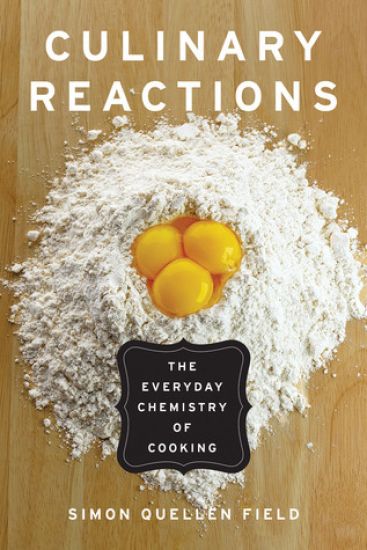
When you're cooking, you're a chemist! Every time you follow or modify a recipe, you are experimenting with acids and bases, emulsions and suspensions, gels and foams. In your kitchen you denature proteins, crystallize compounds, react enzymes with substrates, and nurture desired microbial life while suppressing harmful bacteria and fungi. And unlike in a laboratory, you can eat your experiments to verify your hypotheses. In Culinary Reactions, author Simon Quellen Field turns measuring cups, stovetop burners, and mixing bowls into graduated cylinders, Bunsen burners, and beakers. How does altering the ratio of flour, sugar, yeast, salt, butter, and water affect how high bread rises? Why is whipped cream made with nitrous oxide rather than the more common carbon dioxide? And why does Hollandaise sauce call for "clarified" butter? This easy-to-follow primer even includes recipes to demonstrate the concepts being discussed, including: Whipped Creamsicle Topping—a foam; Cherry Dream Cheese—a protein gle; Lemonade with Chameleon Eggs—an acid indicator; and more!
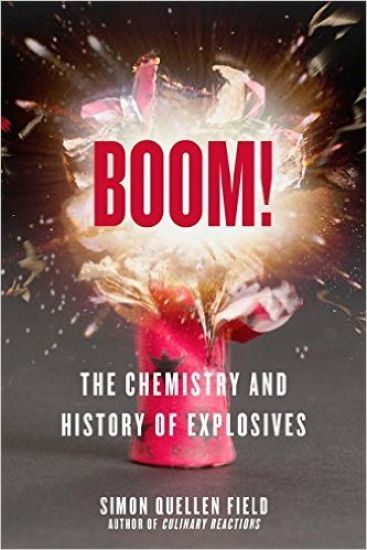
Black powder, the world’s first chemical explosive, was originally developed in the seventh century, during China’s Tang dynasty. It was a crude mixture at first, but over time chemists discovered the optimum proportion of sulfur, charcoal, and nitrates, as well as the best way to mix them so that the particles of each component were tiny and homogenous, resulting in a complete and powerful reaction. Author and chemistry buff Simon Quellen Field takes readers on a decades-long journey through the history of things that go boom, from the early days of black powder to today’s modern plastic explosives. Not just the who, when, and why, but also the how. How did Chinese alchemists come to create black powder? What accidents led to the discovery of high explosives? How do explosives actually work on a molecular scale? And though most people have a vague understanding that dynamite is more powerful than gunpowder, what does it mean to be more powerful? Boom! The Chemistry and History of Explosives goes back to the original papers and patents written by the chemists who invented them, to shed light on their development, to explore the consequences of their use for good and ill, and to give the reader a basic understanding of the chemistry that makes them possible.
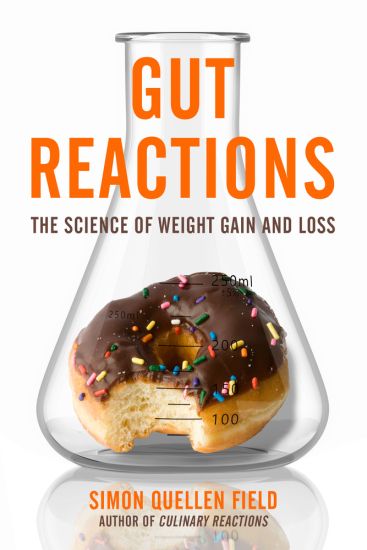
How much do you really know about how the human body works and how it reacts to food, exercise, nutrition, and the environment? While most people have read about at least one fad diet, they're left wondering about the greater biochemistry, psychology, sociology, and physiology of the obesity crisis in the United States. Gut Reactions by chemist Simon Quellen Field shows readers how their bodies react to food and the environment and how their brains affect what and how much they eat. It reveals why some diets work for some people but not for others, based on genetics, previous weight history, brain chemistry, environmental cues, and social pressures. It explores how dozens of hormones affect hunger and satiety and interact with the brain and the gut to regulate feeding behavior. And it explains the addictive nature of foods that interact with the same dopamine and opioid receptors in the brain as cocaine, heroin, amphetamines, and nicotine. Whether you’re looking to lose weight, put on muscle mass, or simply understand how your metabolism or gut microbiome impact your food cravings, Simon Quellen Field has the scientific answers for you.