Kirjojen hintavertailu. Mukana 11 244 527 kirjaa ja 12 kauppaa.

Kirjahaku

Etsi kirjoja tekijän nimen, kirjan nimen tai ISBN:n perusteella.

3 kirjaa tekijältä Simone Wille

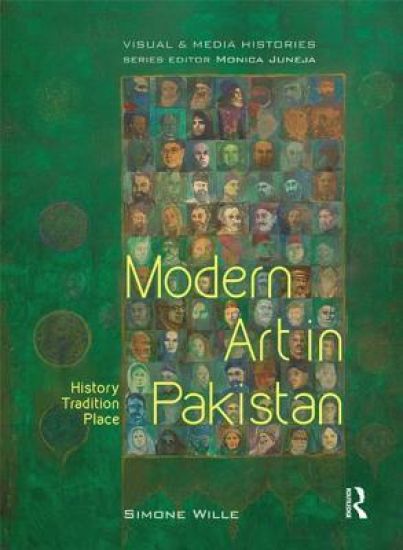
Modern Art in Pakistan

Modern Art in Pakistan

Simone Wille

Routledge India
2019
nidottu
Modern Art in Pakistan examines interaction of space, tradition, and history to analyse artistic production in Pakistan from the 1950s to recent times. It traces the evolution of modernism in Pakistan and frames it in a global context in the aftermath of Partition.A masterful insight into South Asian art, this book will interest researchers, schola
Modern Art in Pakistan

Modern Art in Pakistan

Simone Wille

Routledge India
2014
sidottu
Modern Art in Pakistan examines interaction of space, tradition, and history to analyse artistic production in Pakistan from the 1950s to recent times. It traces the evolution of modernism in Pakistan and frames it in a global context in the aftermath of Partition.A masterful insight into South Asian art, this book will interest researchers, scholars, and students of South Asian art and art history, and Pakistan in particular. Further, it will be useful to those engaged in the fields of Islamic studies, museum studies, and modern South Asian history.
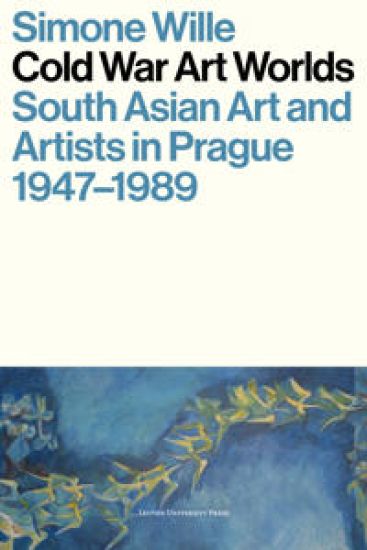
Cold War Art Worlds

Cold War Art Worlds

Simone Wille

Leuven University Press
2025
pokkari
Prague as a vital Cold War hub for South Asian artists.During the Cold War, the Central-European capital of Prague, alongside other locations in the polarised post-war world, emerged as a key site where an art world of particular importance for artists from South Asia developed. By emphasising cultural mobility as a catalyst for exchange and network building, this book challenges and complicates assumptions about Cold War binaries of East and West and the polarisation between so-called totalitarian regimes and free cultures. Positioning Prague as a nexus where South-Asian modernisms intersected with multiple peoples, histories, and ideologies in the post-World War II era, it offers a narrative of decolonisation that rejected rigid systemic alignment in favour of participation across blocs by prioritising migratory aesthetics over nationalist parochialism. Well-researched and rich in archival materials, this book proposes new ways of writing art histories and makes a significant contribution to both Cold War studies and critical global modernism studies.