Kirjojen hintavertailu. Mukana 11 699 587 kirjaa ja 12 kauppaa.

Kirjahaku

Etsi kirjoja tekijän nimen, kirjan nimen tai ISBN:n perusteella.

4 kirjaa tekijältä Stacy Takacs

Interrogating Popular Culture

Interrogating Popular Culture

Stacy Takacs

Routledge
2014
sidottu
Interrogating Popular Culture: Key Questions offers an accessible introduction to the study of popular culture, both historical and contemporary. Beginning from the assumption that cultural systems are dynamic, contradictory, and hard to pin down, Stacy Takacs explores the field through a survey of important questions, addressing: Definitions: What is popular culture? How has it developed over time? What functions does it serve? Method: What is a proper object of study? How should we analyze and interpret popular texts and practices? Influence: How does popular culture relate to social power and control? Identity and disposition: How do we relate to popular culture? How does it move and connect us? Environment: How does popular culture shape the ways we think, feel and act in the world?Illustrated with a wide variety of case studies, covering everything from medieval spectacle to reality TV, sports fandom and Youtube, Interrogating Popular Culture gives students a theoretically rich analytical toolkit for understanding the complex relationship between popular culture, identity and society.
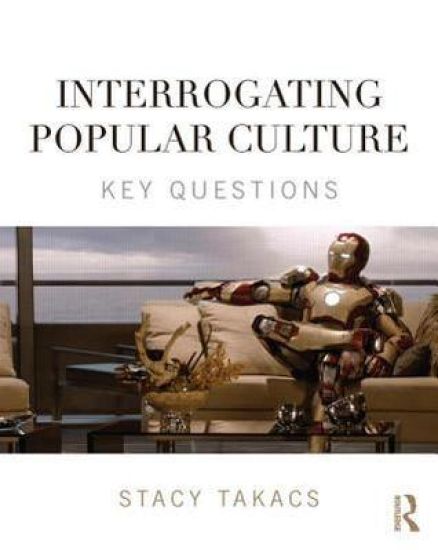
Interrogating Popular Culture

Interrogating Popular Culture

Stacy Takacs

Routledge
2014
nidottu
Interrogating Popular Culture: Key Questions offers an accessible introduction to the study of popular culture, both historical and contemporary. Beginning from the assumption that cultural systems are dynamic, contradictory, and hard to pin down, Stacy Takacs explores the field through a survey of important questions, addressing: Definitions: What is popular culture? How has it developed over time? What functions does it serve? Method: What is a proper object of study? How should we analyze and interpret popular texts and practices? Influence: How does popular culture relate to social power and control? Identity and disposition: How do we relate to popular culture? How does it move and connect us? Environment: How does popular culture shape the ways we think, feel and act in the world?Illustrated with a wide variety of case studies, covering everything from medieval spectacle to reality TV, sports fandom and Youtube, Interrogating Popular Culture gives students a theoretically rich analytical toolkit for understanding the complex relationship between popular culture, identity and society.
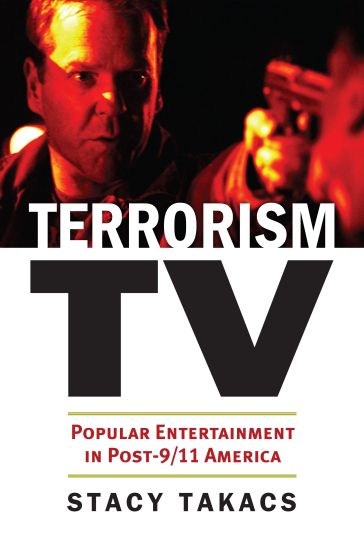
Terrorism TV

Terrorism TV

Stacy Takacs

University Press of Kansas
2012
sidottu
The Fox-TV series 24 might have been in production long before its premier just two months after 9/11, but its story line—and that of many other television programs—has since become inextricably embedded in the nation’s popular consciousness. This book marks the first comprehensive survey and analysis of War on Terror themes in post-9/11 American television, critiquing those shows that—either blindly or intentionally—supported the Bush administration’s security policies. Stacy Takacs focuses on the role of entertainment programming in building a national consensus favouring a War on Terror, taking a close look at programs that comment both directly and allegorically on the post-9/11 world. In show after show, she chillingly illustrates how popular television helped organise public feelings of loss, fear, empathy, and self-love into narratives supportive of a controversial and unprecedented war. Takacs examines a spectrum of program genres—talk shows, reality programs, sitcoms, police procedurals, male melodramas, war narratives—to uncover the recurrent cultural themes that helped convince Americans to invade Afghanistan and Iraq and compromise their own civil liberties. Spanning the past decade of the ongoing conflict, she reviews not only key touchstones of post-9/11 popular culture such as 24, Rescue Me, and Sleeper Cell, but also less remarked-upon but relevant series like JAG, Off to War, Six Feet Under, and Jericho. She also considers voices of dissent that have emerged through satirical offerings like The Daily Show and science fiction series such as Lost and Battlestar Galactica. Takacs dissects how the War on Terror has been broadcast into our living rooms in programs that routinely offer simplistic answers to important questions—Who exactly are we fighting? Why do they hate us?—and she examines the climate of fear and paranoia they’ve created. Unlike cultural analyses that view the government’s courting of Hollywood as a conspiracy to manipulate the masses, her book considers how economic and industry considerations complicate state-media relations throughout the era. Terrorism TV offers fresh insight into how American television directly and indirectly reinforced the Bush administration’s security agenda and argues for the continued importance of the medium as a tool of collective identity formation. It is an essential guide to the tele visual landscape of American consciousness in the first decade of the twenty-first century. This book is part of the CultureAmerica series.
Terrorism TV

Terrorism TV

Stacy Takacs

University Press of Kansas
2012
nidottu
The Fox-TV series 24 might have been in production long before its premier just two months after 9/11, but its story line—and that of many other television programs—has since become inextricably embedded in the nation’s popular consciousness. This book marks the first comprehensive survey and analysis of War on Terror themes in post-9/11 American television, critiquing those shows that—either blindly or intentionally—supported the Bush administration’s security policies. Stacy Takacs focuses on the role of entertainment programming in building a national consensus favouring a War on Terror, taking a close look at programs that comment both directly and allegorically on the post-9/11 world. In show after show, she chillingly illustrates how popular television helped organise public feelings of loss, fear, empathy, and self-love into narratives supportive of a controversial and unprecedented war. Takacs examines a spectrum of program genres—talk shows, reality programs, sitcoms, police procedurals, male melodramas, war narratives—to uncover the recurrent cultural themes that helped convince Americans to invade Afghanistan and Iraq and compromise their own civil liberties. Spanning the past decade of the ongoing conflict, she reviews not only key touchstones of post-9/11 popular culture such as 24, Rescue Me, and Sleeper Cell, but also less remarked-upon but relevant series like JAG, Off to War, Six Feet Under, and Jericho. She also considers voices of dissent that have emerged through satirical offerings like The Daily Show and science fiction series such as Lost and Battlestar Galactica. Takacs dissects how the War on Terror has been broadcast into our living rooms in programs that routinely offer simplistic answers to important questions—Who exactly are we fighting? Why do they hate us?—and she examines the climate of fear and paranoia they’ve created. Unlike cultural analyses that view the government’s courting of Hollywood as a conspiracy to manipulate the masses, her book considers how economic and industry considerations complicate state-media relations throughout the era. Terrorism TV offers fresh insight into how American television directly and indirectly reinforced the Bush administration’s security agenda and argues for the continued importance of the medium as a tool of collective identity formation. It is an essential guide to the tele visual landscape of American consciousness in the first decade of the twenty-first century. This book is part of the CultureAmerica series.