Kirjojen hintavertailu. Mukana 12 016 292 kirjaa ja 12 kauppaa.

Kirjahaku

Etsi kirjoja tekijän nimen, kirjan nimen tai ISBN:n perusteella.

6 kirjaa tekijältä Stan Cox

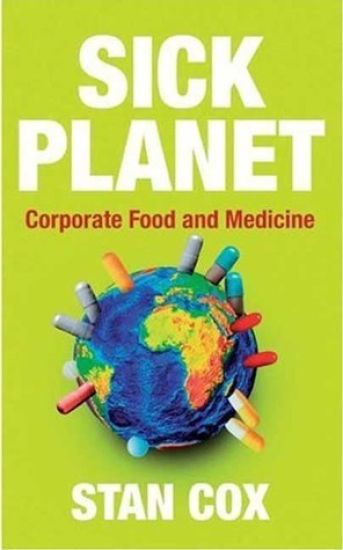
Sick Planet

Sick Planet

Stan Cox

Pluto Press
2008
pokkari
Neoliberals often point to improvements in public health and nutrition as examples of globalisation's success, but this book argues that the corporate food and medicine industries are destroying environments and ruining living conditions across the world. Scientist Stan Cox expertly draws out the strong link between Western big business and environmental destruction. This is a shocking account of the huge damage that drug manufacturers and large food corporations are inflicting on the health of people and crops worldwide. Companies discussed include Wal-Mart, GlaxoSmithKline, Tyson Foods and Monsanto. On issues ranging from the poisoning of water supplies in South Asia to natural gas depletion and how it threatens global food supplies, Cox shows how the demand for profits is always put above the public interest. While individual efforts to 'shop for a better world' and conserve energy are laudable, Cox explains that they need to be accompanied by an economic system that is grounded in ecological sustainability if we are to find a cure for our Sick Planet.
Sick Planet

Sick Planet

Stan Cox

Pluto Press
2008
sidottu
Neoliberals often point to improvements in public health and nutrition as examples of globalisation's success, but this book argues that the corporate food and medicine industries are destroying environments and ruining living conditions across the world. Scientist Stan Cox expertly draws out the strong link between Western big business and environmental destruction. This is a shocking account of the huge damage that drug manufacturers and large food corporations are inflicting on the health of people and crops worldwide. Companies discussed include Wal-Mart, GlaxoSmithKline, Tyson Foods and Monsanto. On issues ranging from the poisoning of water supplies in South Asia to natural gas depletion and how it threatens global food supplies, Cox shows how the demand for profits is always put above the public interest. While individual efforts to 'shop for a better world' and conserve energy are laudable, Cox explains that they need to be accompanied by an economic system that is grounded in ecological sustainability if we are to find a cure for our Sick Planet.
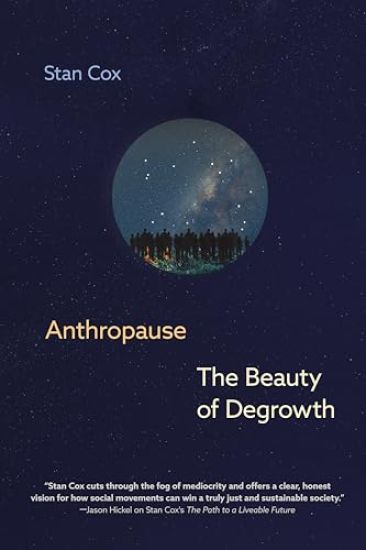
Anthropause: The Beauty of Degrowth

Anthropause: The Beauty of Degrowth

Stan Cox

SEVEN STORIES PRESS
2026
sidottu
A rallying cry to save the Earth with an "anthropause"--a term that can apply to any broad rollback of economic activity that gives nature room to recover and flourish. "An iconoclast of the best kind, Stan Cox has an all-too-rare commitment to following arguments wherever they lead, however politically dangerous that turns out to be." --Naomi Klein In the spring of 2020, people worldwide found themselves confined at home in response to pandemic lockdown orders. Global carbon emissions suddenly plunged 8.8 percent. Air and noise pollution levels plummeted, and streams, rivers, and lakes noticeably became cleaner. Animal life quickly filled spaces that humans had deserted. Scientists documenting how quickly nature flourished in response to less human activity called the phenomena an "anthropause." For a moment, humanity witnessed the beauty of degrowth. In a world obsessed with getting and having more--more influence, more money, more fame, more stuff--the idea of degrowth seems counterintuitive. Yet, as environmental catastrophe becomes more widespread and severe, degrowth emerges as a necessary collective intervention to protect the living Earth--and civilization as we know it--from collapse. In Anthropause, Stan Cox writes that by embracing degrowth, we are not turning our backs on progress. Instead, we are redefining it. We can produce enough goods to satisfy everyone's needs, Cox argues, while liberating ourselves from ecocidal economies and the injustices they impose. This book lays out a clear vision of what we will gain and how as we embrace this revolutionary transition. We are seeing climate change happening all around us--2024 was the hottest year on record. Storms are stronger, droughts are longer, and wildfires are everywhere. As we approach the tipping point toward irreversible climate catastrophe, it's clear that we must accept that endless expansion is destructive and reverse it through degrowth. Anthropause shows us how we and the living world will flourish if we succeed.
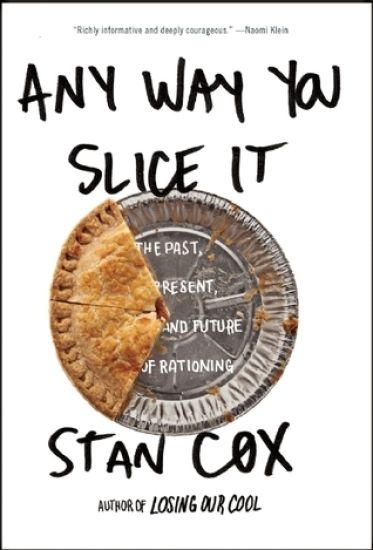
Any Way You Slice It

Any Way You Slice It

Stan Cox

The New Press
2013
nidottu
Rationing: it's a word and an idea that people often loathe and fear. Health care expert Henry Aaron has compared mentioning the possibility of rationing to shouting an obscenity in church.' Yet societies in fact ration food, water, medical care and fuel all the time, with those who can pay the most getting the most. In Any Way You Slice It, Stan Cox shows that rationing is not just a quaint practice restricted to war memoirs. Instead, he persuasively argues that rationing is a vital concept for the fragile present in an era of dwindling resources and environmental crises.'
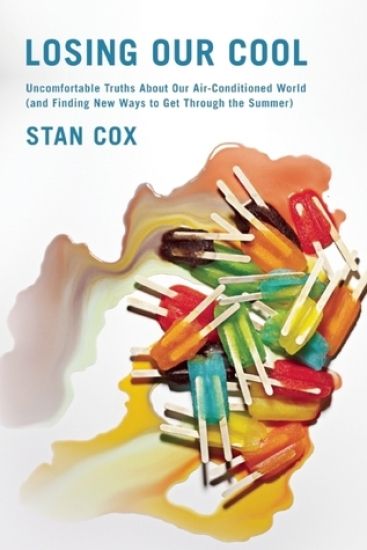
Losing Our Cool

Losing Our Cool

Stan Cox

The New Press
2012
nidottu
Losing Our Cool exposes the surprising ways in which air conditioning changes human experience: giving a boost to global warming that it is designed to help humans endure; enabling an otherwise impossible commuter economy; and altering human migration patterns. Stan Cox argues that by reintroducing traditional cooling methods and putting newer technologies into practice - and by moving beyond industrial definitions of comfort - people can keep themselves comfortable and keep the planet comfortable too.