Kirjojen hintavertailu. Mukana 12 016 292 kirjaa ja 12 kauppaa.

Kirjahaku

Etsi kirjoja tekijän nimen, kirjan nimen tai ISBN:n perusteella.

7 kirjaa tekijältä Stan Hawkins

Queerness in Pop Music

Queerness in Pop Music

Stan Hawkins

Routledge
2020
nidottu
This book investigates the phenomenon of queering in popular music and video, interpreting the music of numerous pop artists, styles, and idioms. The focus falls on artists, such as Lady Gaga, Madonna, Boy George, Diana Ross, Rufus Wainwright, David Bowie, Azealia Banks, Zebra Katz, Freddie Mercury, the Pet Shop Boys, George Michael, and many others. Hawkins builds his concept of queerness upon existing theories of opacity and temporality, which involves a creative interdisciplinary approach to musical interpretation. He advocates a model of analysis that involves both temporal-specific listening and biographic-oriented viewing. Music analysis is woven into this, illuminating aspects of parody, nostalgia, camp, naivety, masquerade, irony, and mimesis in pop music. One of the principal aims is to uncover the subversive strategies of pop artists through a wide range of audiovisual texts that situate the debates on gender and sexuality within an aesthetic context that is highly stylized and ritualized. Queerness in Pop Music also addresses the playfulness of much pop music, offering insights into how discourses of resistance are mediated through pleasure. Given that pop artists, songwriters, producers, directors, choreographers, and engineers all contribute to the final composite of the pop recording, it is argued that the staging of any pop act is a collective project. The implications of this are addressed through structures of gender, ethnicity, nationality, class, and sexuality. Ultimately, Hawkins contends that queerness is a performative force that connotes futurity and utopian promise.

Settling the Pop Score

Settling the Pop Score

Stan Hawkins

Ashgate Publishing Limited
2002
sidottu
The analysis of popular music forces us to rethink the assumptions that underpin our approaches to the study of Western music. Not least, it brings to the fore an idea that many musicologists still find uncomfortable - that commercial production and consumption can be aligned with artistic authenticity. Reading pop texts takes place through dialogue on many levels, which, as Stan Hawkins argues, deals with how musical events are shaped by personal alliances between the artist and the recipient. The need for a critical approach to evaluating popular music lies at the heart of this book. Hawkins explores the relationships that exist between music, spectatorship and aesthetics through a series of case studies of pop artists from the 1980s and 1990s. Madonna, Morrissey, Annie Lennox, the Pet Shop Boys and Prince represent the diversity of cultures, identities and sexualities that characterised the start of the MTV boom. Through the interpretation of aspects of the compositional design and musical structures of songs by these pop artists, Hawkins suggests ways in which stylistic and technical elements of the music relate to identity formation and its political motivations. Settling the Pop Score examines the role of irony and empathy, the question of gender, race and sexuality, and the relevance of textual analysis to the study of popular music. Interpreting pop music within the framework of musicology, Hawkins helps us to understand the pleasure so many people derive from these songs.
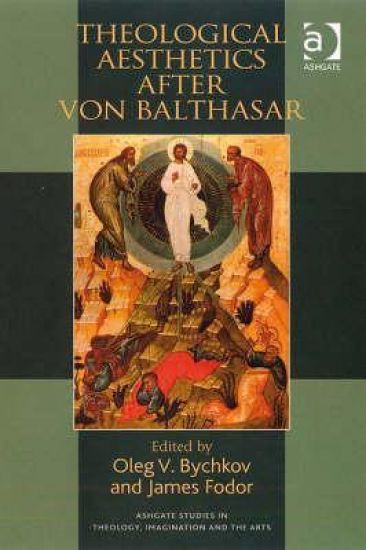
Theological Aesthetics after von Balthasar

Theological Aesthetics after von Balthasar

Stan Hawkins

Ashgate Publishing Limited
2008
sidottu
This collection of essays by distinguished authors explores the present-day field of theological aesthetics: from von Balthasar’s contribution and parallel developments to correctives and alternatives to his approach. A tribute to von Balthasar’s own project expands into a dialogue with ancient and medieval traditions in search of revelatory aesthetics. The contributors outline challenges to his approach (including Protestant perspectives) and introduce new ways of viewing the field of theological aesthetics, which ultimately opens up to the idea of concrete cultural contexts and practical human needs determining the use of the arts and aesthetic sensibilities in theology.
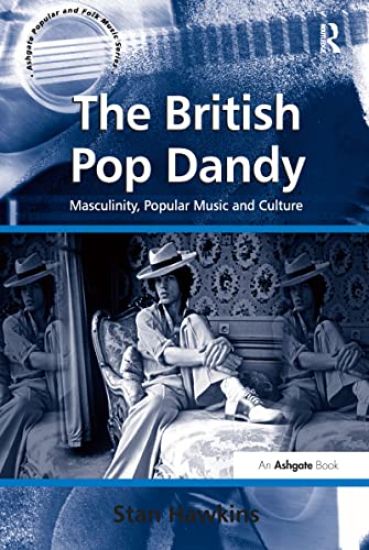
The British Pop Dandy

The British Pop Dandy

Stan Hawkins

Ashgate Publishing Limited
2009
sidottu
Who are pop dandies? Why are stars like David Bowie, Jarvis Cocker, Pete Doherty and Robbie Williams so dandified? Taking up a wide range of British pop stars, Hawkins seeks to find out why so many have cast themselves in roles that often take style to absurd extremes. In this study, male pop artists are mapped against a cultural and historical background through a genealogy of personalities, such as Oscar Wilde, W.H. Auden, Andy Warhol, Noël Coward, Derek Jarmen, David Beckham and countless others. A critical analysis of issues and approaches to musical performance through masculinity becomes the focal point of this fascinating study. Ranging from the sixties to beyond the twentieth century, The British Pop Dandy considers the construction of the male pop icon through the spectacle of videos, live concerts and films. Why do we derive pleasure from the performing body, and how is entertainment linked to categories of gender and sexuality? The author insists that pop performances can be understood through human characteristics that relate to the particulars of dandyism, camp and glamour, and this he theorizes through the work of Charles Baudelaire. One of the political objectives of the dandy is to liberate himself through a denial of the structures that assume fixed identity. Not least, it is acts of queering in pop music that characterize entire generations of male artists in the UK. Setting out to discover what distinguishes the British pop dandy, Hawkins considers the role of music and performance in the articulation of hyperbolic display. It is argued that the recorded voice is a construction that idealizes self-representation, and absorbs the listener's attention. Particularly, camp address in singing practice is taken up in conjunction with a discussion of intimacy, which forms part of the strategy of the performer. In a range of songs and videos selected for music analysis, Hawkins points to the uniqueness of the voice as it expresses a transgressive quality that often comes across 'put-on', naive and vulnerable. To this end, vocal performativity is considered part of music's discursive disciplining through some of the greatest pop tracks, videos, concerts and films of our time. It is also argued that shifting signs of masculinity can be understood through musical process and style. While musicological in its main focus, this study is interdisciplinary and sets out to open new modes of thinking on the complex issues surrounding how masculinity, music and culture have developed in the UK.
Theological Aesthetics after von Balthasar
This collection of essays by distinguished authors explores the present-day field of theological aesthetics: from von Balthasar’s contribution and parallel developments to correctives and alternatives to his approach. A tribute to von Balthasar’s own project expands into a dialogue with ancient and medieval traditions in search of revelatory aesthetics. The contributors outline challenges to his approach (including Protestant perspectives) and introduce new ways of viewing the field of theological aesthetics, which ultimately opens up to the idea of concrete cultural contexts and practical human needs determining the use of the arts and aesthetic sensibilities in theology.
The British Pop Dandy

The British Pop Dandy

Stan Hawkins

Routledge
2016
nidottu
Who are pop dandies? Why are stars like David Bowie, Jarvis Cocker, Pete Doherty and Robbie Williams so dandified? Taking up a wide range of British pop stars, Hawkins seeks to find out why so many have cast themselves in roles that often take style to absurd extremes. In this study, male pop artists are mapped against a cultural and historical background through a genealogy of personalities, such as Oscar Wilde, W.H. Auden, Andy Warhol, Noël Coward, Derek Jarmen, David Beckham and countless others. A critical analysis of issues and approaches to musical performance through masculinity becomes the focal point of this fascinating study. Ranging from the sixties to beyond the twentieth century, The British Pop Dandy considers the construction of the male pop icon through the spectacle of videos, live concerts and films. Why do we derive pleasure from the performing body, and how is entertainment linked to categories of gender and sexuality? The author insists that pop performances can be understood through human characteristics that relate to the particulars of dandyism, camp and glamour, and this he theorizes through the work of Charles Baudelaire. One of the political objectives of the dandy is to liberate himself through a denial of the structures that assume fixed identity. Not least, it is acts of queering in pop music that characterize entire generations of male artists in the UK. Setting out to discover what distinguishes the British pop dandy, Hawkins considers the role of music and performance in the articulation of hyperbolic display. It is argued that the recorded voice is a construction that idealizes self-representation, and absorbs the listener's attention. Particularly, camp address in singing practice is taken up in conjunction with a discussion of intimacy, which forms part of the strategy of the performer. In a range of songs and videos selected for music analysis, Hawkins points to the uniqueness of the voice as it expresses a transgressive quality that often comes across 'put-on', naive and vulnerable. To this end, vocal performativity is considered part of music's discursive disciplining through some of the greatest pop tracks, videos, concerts and films of our time. It is also argued that shifting signs of masculinity can be understood through musical process and style. While musicological in its main focus, this study is interdisciplinary and sets out to open new modes of thinking on the complex issues surrounding how masculinity, music and culture have developed in the UK.
Queerness in Pop Music

Queerness in Pop Music

Stan Hawkins

Routledge
2015
sidottu
This book investigates the phenomenon of queering in popular music and video, interpreting the music of numerous pop artists, styles, and idioms. The focus falls on artists, such as Lady Gaga, Madonna, Boy George, Diana Ross, Rufus Wainwright, David Bowie, Azealia Banks, Zebra Katz, Freddie Mercury, the Pet Shop Boys, George Michael, and many others. Hawkins builds his concept of queerness upon existing theories of opacity and temporality, which involves a creative interdisciplinary approach to musical interpretation. He advocates a model of analysis that involves both temporal-specific listening and biographic-oriented viewing. Music analysis is woven into this, illuminating aspects of parody, nostalgia, camp, naivety, masquerade, irony, and mimesis in pop music. One of the principal aims is to uncover the subversive strategies of pop artists through a wide range of audiovisual texts that situate the debates on gender and sexuality within an aesthetic context that is highly stylized and ritualized. Queerness in Pop Music also addresses the playfulness of much pop music, offering insights into how discourses of resistance are mediated through pleasure. Given that pop artists, songwriters, producers, directors, choreographers, and engineers all contribute to the final composite of the pop recording, it is argued that the staging of any pop act is a collective project. The implications of this are addressed through structures of gender, ethnicity, nationality, class, and sexuality. Ultimately, Hawkins contends that queerness is a performative force that connotes futurity and utopian promise.