Kirjojen hintavertailu. Mukana 11 244 527 kirjaa ja 12 kauppaa.

Kirjahaku

Etsi kirjoja tekijän nimen, kirjan nimen tai ISBN:n perusteella.

9 kirjaa tekijältä Stan van Hooft

Caring About Health

Caring About Health

Stan van Hooft

CRC Press Inc
2017
sidottu
Presenting a philosophical exploration of the ideas central to health care practice this book explores such concepts as caring, health, disease, suffering and pain from a phenomenological perspective. With deep philosophical insight this book draws out, not only the ethical demands that arise when one encounters these phenomena, but also the forms of ethical education that would help health care workers respond to those demands. This is a book which explores the grounds for ethical living rather than enunciating ethical principles. Van Hooft argues that ethical responses arise from sensitive and insightful awareness of what is salient in clinical and other health care settings. This book draws upon thinkers from the classical canon, the Anglo-American tradition and from continental philosophical ideas.
Hope

Hope

Stan van Hooft

Routledge
2016
sidottu
From the now iconic Barack Obama 'Hope' poster of the 2008 presidential campaign to the pit-head 'Camp Hope' of the families of the trapped Chilean miners, the language of hope can be hugely powerful as it draws on resources that are uniquely human and universal. We are beings who hope. But what does that say about us? What is hope and what role does it play in our lives? In his fascinating and thought-provoking investigation into the meaning of hope, Stan van Hooft shows that hope is a fundamental structure of the way we live our lives. For Aristotle being hopeful was part of a well-lived life, a virtue. For Aquinas it was a fundamentally theological virtue and for Kant a basic moral motivation. It shapes how we view ourselves and the world in which we live. Whether we hope for a life after death or for good weather tomorrow - whether our hopes are grand or humble - hoping is part of our outlook on life. What we hope for defines who we are. Drawing on everyday examples as well as more detailed discussion of hope in the arenas of medicine, politics and religion, van Hooft shows how hopefulness in not the same as hope and offers a convincing and powerful defense of the need for realism. There are few contemporary philosophical discussions of hope and Stan van Hooft's book offers an accessible and insightful discussion of the topic that shows the relevance of philosophical thinking and distinctions to this important aspect of human life.
Caring About Health

Caring About Health

Stan van Hooft

Routledge
2020
nidottu
Presenting a philosophical exploration of the ideas central to health care practice this book explores such concepts as caring, health, disease, suffering and pain from a phenomenological perspective. With deep philosophical insight this book draws out, not only the ethical demands that arise when one encounters these phenomena, but also the forms of ethical education that would help health care workers respond to those demands. This is a book which explores the grounds for ethical living rather than enunciating ethical principles. Van Hooft argues that ethical responses arise from sensitive and insightful awareness of what is salient in clinical and other health care settings. This book draws upon thinkers from the classical canon, the Anglo-American tradition and from continental philosophical ideas.
Understanding Virtue Ethics

Understanding Virtue Ethics

Stan van Hooft

Acumen Publishing Ltd
2005
sidottu
More and more philosophers have advocated varieties of virtue-based ethics that challenge moral theory traditionally founded on moral obligation and the delineation of what is right or wrong in given situations. Virtue ethics, which focuses upon the character of moral agents more than on the moral status of their actions or the consequences of those actions, has become one of the most important and stimulating areas of contemporary ethical theory. "Understanding Virtue Ethics" is an accessible and lively introduction to the subject. It provides a broad overview of the history of virtue ethics from Aristotle to Nietzsche as well as examining the ideas of such contemporary writers as Ricoeur and Levinas. Major themes dealt with by moral theory are examined and how a virtue ethics approach to them differs from those of other traditions is explored. Practical problems of moral complexity such as abortion, euthanasia, and integrity in politics, and how they might be approached from a virtue perspective are considered. The charges of relativism and egoism that are often mounted against virtue ethics are rebutted and virtues that are especially relevant to contemporary life, namely, courage, taking responsibility, and reverence are examined in depth. Finally, the author argues that virtue ethics is highly relevant to our understanding of the moral dimensions of professional roles.
Understanding Virtue Ethics

Understanding Virtue Ethics

Stan van Hooft

Acumen Publishing Ltd
2005
nidottu
More and more philosophers have advocated varieties of virtue-based ethics that challenge moral theory traditionally founded on moral obligation and the delineation of what is right or wrong in given situations. Virtue ethics, which focuses upon the character of moral agents more than on the moral status of their actions or the consequences of those actions, has become one of the most important and stimulating areas of contemporary ethical theory. "Understanding Virtue Ethics" is an accessible and lively introduction to the subject. It provides a broad overview of the history of virtue ethics from Aristotle to Nietzsche as well as examining the ideas of such contemporary writers as Ricoeur and Levinas. Major themes dealt with by moral theory are examined and how a virtue ethics approach to them differs from those of other traditions is explored. Practical problems of moral complexity such as abortion, euthanasia, and integrity in politics, and how they might be approached from a virtue perspective are considered. The charges of relativism and egoism that are often mounted against virtue ethics are rebutted and virtues that are especially relevant to contemporary life, namely, courage, taking responsibility, and reverence are examined in depth. Finally, the author argues that virtue ethics is highly relevant to our understanding of the moral dimensions of professional roles.
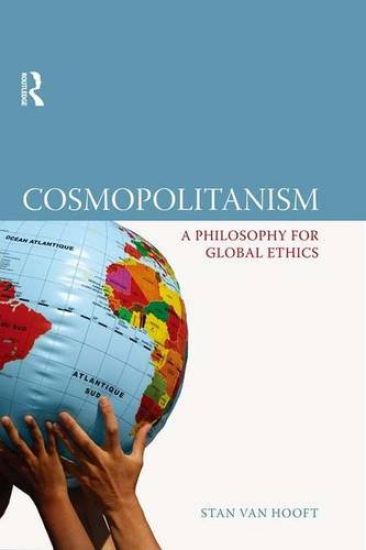
Cosmopolitanism

Cosmopolitanism

Stan van Hooft

Acumen Publishing Ltd
2009
sidottu
Cosmopolitanism is a demanding and contentious moral position. It urges us to embrace the whole world into our moral concerns and to apply the standards of impartiality and equity across boundaries of nationality, race, religion or gender in a way that would have been unheard of even fifty years ago. It suggests a range of virtues which the cosmopolitan individual should display: virtues such as tolerance, justice, pity, righteous indignation at injustice, generosity toward the poor and starving, care for the global environment, and the willingness to take responsibility for change on a global scale. This book explains and espouses the values of cosmopolitanism, adjudicates between various forms of cosmopolitanism, and defends it against its critics.Cosmopolitanism has relevance for international distributive justice; peace; human rights; environmental sustainability; protection for minorities, refugees and other oppressed groups; democratic participation; and inter cultural tolerance. The book does not aim to impart factual information about global issues or to offer prescriptions for the solution of global problems. Rather, it highlights the ethical issues inherent in them and identifies the moral obligations that individuals, multinational corporations and governments might have in relation to them.While espousing a cosmopolitan form of global ethics, a liberal form of politics, sustainable and just forms of business practice, and an internationalist approach to global conflict and governance, it seeks to present as many sides of the ethical debates as can be supported by reasonable argument. Discussing the work of Kwame Anthony Appiah, Seyla Benhabib, Martha Nussbaum, Thomas Pogge, John Rawls, Amartya Sen, Henry Shue, Peter Singer and others, this book provides a clear and accessible survey of cosmopolitanism and analyses the reality of the rights and responsibilities that it espouses.

Cosmopolitanism

Cosmopolitanism

Stan van Hooft

Acumen Publishing Ltd
2009
nidottu
Cosmopolitanism is a demanding and contentious moral position. It urges us to embrace the whole world into our moral concerns and to apply the standards of impartiality and equity across boundaries of nationality, race, religion or gender in a way that would have been unheard of even fifty years ago. It suggests a range of virtues which the cosmopolitan individual should display: virtues such as tolerance, justice, pity, righteous indignation at injustice, generosity toward the poor and starving, care for the global environment, and the willingness to take responsibility for change on a global scale. This book explains and espouses the values of cosmopolitanism, adjudicates between various forms of cosmopolitanism, and defends it against its critics.Cosmopolitanism has relevance for international distributive justice; peace; human rights; environmental sustainability; protection for minorities, refugees and other oppressed groups; democratic participation; and inter cultural tolerance. The book does not aim to impart factual information about global issues or to offer prescriptions for the solution of global problems. Rather, it highlights the ethical issues inherent in them and identifies the moral obligations that individuals, multinational corporations and governments might have in relation to them.While espousing a cosmopolitan form of global ethics, a liberal form of politics, sustainable and just forms of business practice, and an internationalist approach to global conflict and governance, it seeks to present as many sides of the ethical debates as can be supported by reasonable argument. Discussing the work of Kwame Anthony Appiah, Seyla Benhabib, Martha Nussbaum, Thomas Pogge, John Rawls, Amartya Sen, Henry Shue, Peter Singer and others, this book provides a clear and accessible survey of cosmopolitanism and analyses the reality of the rights and responsibilities that it espouses.

Hope

Hope

Stan van Hooft

Acumen Publishing Ltd
2011
nidottu
From the now iconic Barack Obama 'Hope' poster of the 2008 presidential campaign to the pit-head 'Camp Hope' of the families of the trapped Chilean miners, the language of hope can be hugely powerful as it draws on resources that are uniquely human and universal. We are beings who hope. But what does that say about us? What is hope and what role does it play in our lives? In his fascinating and thought-provoking investigation into the meaning of hope, Stan van Hooft shows that hope is a fundamental structure of the way we live our lives. For Aristotle being hopeful was part of a well-lived life, a virtue. For Aquinas it was a fundamentally theological virtue and for Kant a basic moral motivation. It shapes how we view ourselves and the world in which we live. Whether we hope for a life after death or for good weather tomorrow - whether our hopes are grand or humble - hoping is part of our outlook on life. What we hope for defines who we are. Drawing on everyday examples as well as more detailed discussion of hope in the arenas of medicine, politics and religion, van Hooft shows how hopefulness in not the same as hope and offers a convincing and powerful defense of the need for realism. There are few contemporary philosophical discussions of hope and Stan van Hooft's book offers an accessible and insightful discussion of the topic that shows the relevance of philosophical thinking and distinctions to this important aspect of human life.
The Handbook of Virtue Ethics

The Handbook of Virtue Ethics

Stan van Hooft

Acumen Publishing Ltd
2013
sidottu
Virtue ethics has emerged as a distinct field within moral theory - whether as an alternative account of right action or as a conception of normativity which departs entirely from the obligatoriness of morality - and has proved itself invaluable to many aspects of contemporary applied ethics. Virtue ethics now flourishes in philosophy, sociology and theology and its applications extend to law, politics and bioethics. "The Handbook of Virtue Ethics" brings together leading international scholars to provide an overview of the field. Each chapter summarizes and assesses the most important work on a particular topic and sets this work in the context of historical developments. Taking a global approach by embracing a variety of major cultural traditions along with the Western, the "Handbook" maps the emergence of virtue ethics and provides a framework for future developments.