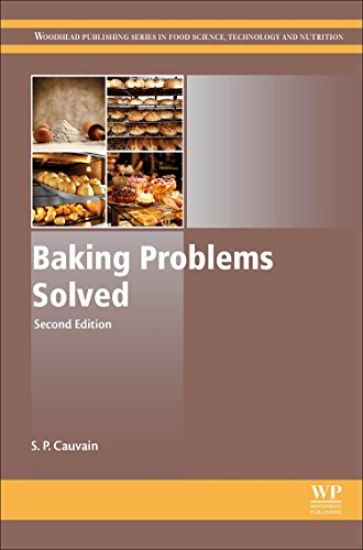
Baking Problems Solved, Second Edition, provides a fully revised follow-up to the innovative question and answer format of its predecessor. Presenting a quick bakery problem-solving reference, Stanley Cauvain returns with more practical insights into the latest baking issues. Retaining its logical and methodical approach, the book guides bakers through various issues which arise throughout the baking process. The book begins with issues found in the use of raw materials, including chapters on wheat and grains, flour, and fats, amongst others. It then progresses to the problems that occur in the intermediate stages of baking, such as the creation of doughs and batters, and the input of water. Finally, it delves into the difficulties experienced with end products in baking by including chapters on bread and fermented products, cakes, biscuits, and cookies and pastries.
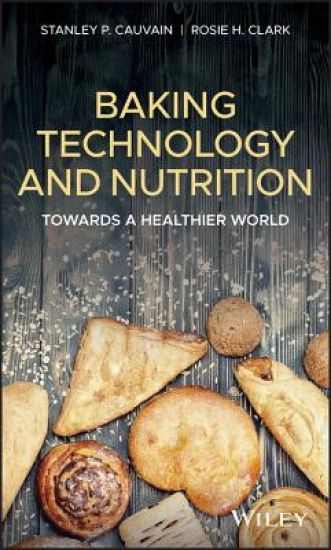
A new study of the challenges presented by manufacturing bakery products in a health-conscious world The impact of bakery products upon human nutrition is an increasingly pressing concern among consumers and manufacturers alike. With obesity and other diet-related conditions on the rise, the levels of salt, fat, and sugar found in many baked goods can no longer be overlooked. Those working in the baking industry are consequently turning more and more to science and technology to provide routes toward healthier alternatives to classic cake, bread, and pastry recipes. With Baking Technology and Nutrition, renowned food scientist Stanley P. Cauvain and co-author Rosie H. Clark present an innovative and much-needed study of the changes taking place in the world of baking. Their discussion focuses on the new avenues open to bakers looking to improve the nutritional value of their products and encompasses all related issues, from consumer preferences to the effects of nutritional enhancement upon shelf-life. Featuring an abundance of new research and insights into the possible future of modern baking, this unique text: Offers practical guidance on developing, delivering, and promoting high-nutrition bakery productsDiscusses reducing ingredients such as salt, fat, and sugar for improved nutrition while preserving quality and consumer acceptabilityExplores how wheat-based products can be ideal vehicles for improving the nutrition of major sectors of populationsSuggests real-world solutions to problems rising from poorly defined quality guidelines and inadequate dialogue between bakers and nutritionists Baking Technology and Nutrition is an indispensable and timely resourcefor technologists, manufacturers, healthcare practitioners, or anyone else working in today’s food and nutrition industries.
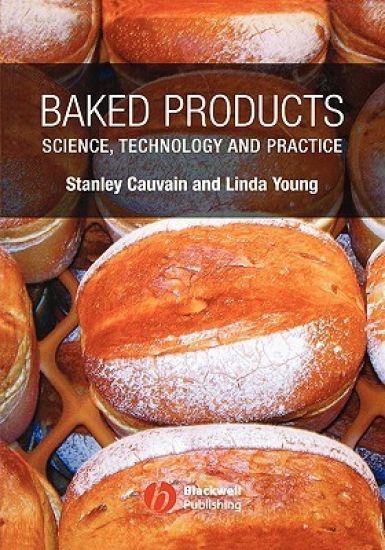
Taking a fresh approach to information on baked products, this exciting new book from industry consultants Cauvain and Young looks beyond the received notions of how foods from the bakery are categorised to explore the underlying themes which link the products in this commercially important area of the food industry.
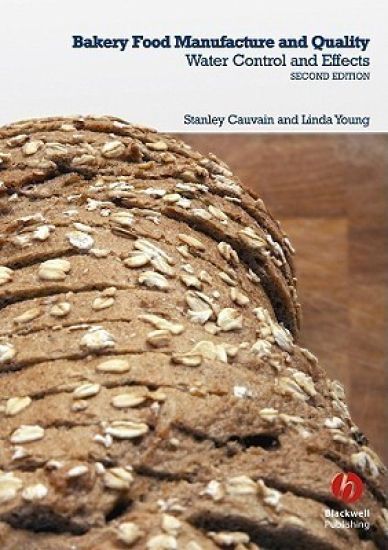
Water is the major contributor to the eating and keeping qualities and structure of baked products. Its management and control during preparation, processing, baking, cooling and storage is essential for the optimisation of product quality. This successful and highly practical volume describes in detail the role and control of water in the formation of cake batters, bread, pastry and biscuit doughs, their subsequent processing and the baked product. Now in a fully revised and updated second edition, the book has been expanded and developed through the inclusion of new information and references related to the formation and processing of batters and dough into baked products. The new edition includes a selection of case studies based on practical experience in the manufacture and optimisation of baked products. Each case study, illustrated as appropriate, considers the various roles that water may play in different manufacturing contexts. The book is aimed at food scientists and technologists in bakery companies; ingredient suppliers; flour millers; researchers and students in academic food science departments.
The introduction of the Chorleywood Bread Process was a watershed in baking. It sparked changes in improver and ingredient technology, process and equipment design which have had a profound impact on baking processes and the structure of the industry. Written by two of the world’s leading experts on the process, this important book explains its underlying principles and ways of maximising its potential in producing a wide range of baked products. After a brief review of the basic principles of bread making, the book outlines the development and fundamental characteristics of the Chorleywood Bread Process. The following group of chapters review the key steps in the process, beginning with ingredient quality and quantities. Other chapters consider dough mixing and processing. Building on this foundation, the authors then review common quality defects and how they can be prevented or resolved. The book then considers how knowledge-based software systems can help to manage the process. The concluding chapters review the range of bakery products that can be produced using the process, how it can best be applied in different kinds of bakery and likely future developments. The Chorleywood Bread Process is a standard work for all bakers around the world wishing to maximise the potential of the process, and for scientists, technologists and students wanting a better understanding of the process and its place in commercial bread making.