Kirjojen hintavertailu. Mukana 12 016 292 kirjaa ja 12 kauppaa.

Kirjahaku

Etsi kirjoja tekijän nimen, kirjan nimen tai ISBN:n perusteella.

3 kirjaa tekijältä Stephan F. Miescher

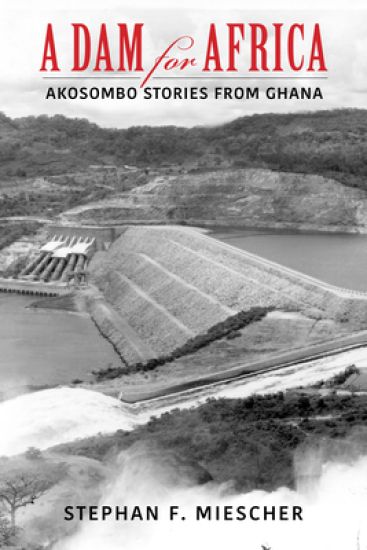
A Dam for Africa

A Dam for Africa

Stephan F. Miescher

Indiana University Press
2022
pokkari
Since its construction in the early 1960s, the hydroelectric Akosombo Dam across the Volta River has exemplified the possibilities and challenges of development in Ghana. Drawing upon a wealth of sources, A Dam for Africa investigates contrasting stories about how this dam has transformed a West African nation, while providing a model for other African countries. The massive Akosombo Dam is the keystone of the Volta River Project that includes a large manmade lake 250 miles long, the VALCO aluminum smelter, new cities and towns, a deep-sea harbor, and an electrical grid. On the local level, Akosombo has meant access to electricity for people in urban and industrial areas across southern Ghana. For others, Akosombo inflicted tremendous social and environmental costs. The dam altered the ecology of the Lower Volta, displaced 80,000 people in the Volta Basin, and affected the livelihoods of hundreds of thousands of Ghanaians. In A Dam for Africa, Stephan Miescher explores four intersecting narratives: Ghanaian debates and aspirations about modernization in the context of decolonization and Cold War; international efforts of the US aluminum industry to benefit from Akosombo through cheap electricity for their VALCO smelter; local stories of upheaval and devastation in resettlement towns; and a nation-wide quest toward electrification and energy justice during times of economic crises, droughts, and climate change.
A Dam for Africa

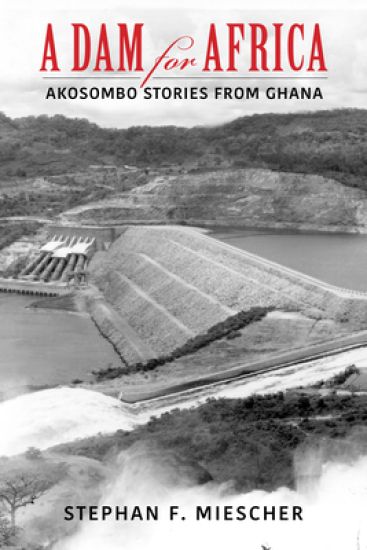
A Dam for Africa

Stephan F. Miescher

Indiana University Press
2022
sidottu
Since its construction in the early 1960s, the hydroelectric Akosombo Dam across the Volta River has exemplified the possibilities and challenges of development in Ghana. Drawing upon a wealth of sources, A Dam for Africa investigates contrasting stories about how this dam has transformed a West African nation, while providing a model for other African countries. The massive Akosombo Dam is the keystone of the Volta River Project that includes a large manmade lake 250 miles long, the VALCO aluminum smelter, new cities and towns, a deep-sea harbor, and an electrical grid. On the local level, Akosombo has meant access to electricity for people in urban and industrial areas across southern Ghana. For others, Akosombo inflicted tremendous social and environmental costs. The dam altered the ecology of the Lower Volta, displaced 80,000 people in the Volta Basin, and affected the livelihoods of hundreds of thousands of Ghanaians. In A Dam for Africa, Stephan Miescher explores four intersecting narratives: Ghanaian debates and aspirations about modernization in the context of decolonization and Cold War; international efforts of the US aluminum industry to benefit from Akosombo through cheap electricity for their VALCO smelter; local stories of upheaval and devastation in resettlement towns; and a nation-wide quest toward electrification and energy justice during times of economic crises, droughts, and climate change.
Making Men in Ghana

Making Men in Ghana

Stephan F. Miescher

Indiana University Press
2005
pokkari
By featuring the life histories of eight senior men, Making Men in Ghana explores the changing meaning of becoming a man in modern Africa. Stephan F. Miescher concentrates on the ideals and expectations that formed around men who were prominent in their communities when Ghana became an independent nation. Miescher shows how they negotiated complex social and economic transformations and how they dealt with their mounting obligations and responsibilities as leaders in their kinship groups, churches, and schools. Not only were notions about men and masculinity shaped by community standards, but they were strongly influenced by imported standards that came from missionaries and other colonial officials. As he recounts the life histories of these men, Miescher reveals that the passage to manhood—and a position of power, seniority, authority, and leadership—was not always welcome or easy. As an important foil for studies on women and femininity, this groundbreaking book not only explores masculinity and ideals of male behavior, but offers a fresh perspective on African men in a century of change.