Kirjojen hintavertailu. Mukana 11 627 220 kirjaa ja 12 kauppaa.

Kirjahaku

Etsi kirjoja tekijän nimen, kirjan nimen tai ISBN:n perusteella.

3 kirjaa tekijältä Stephanie LeMenager

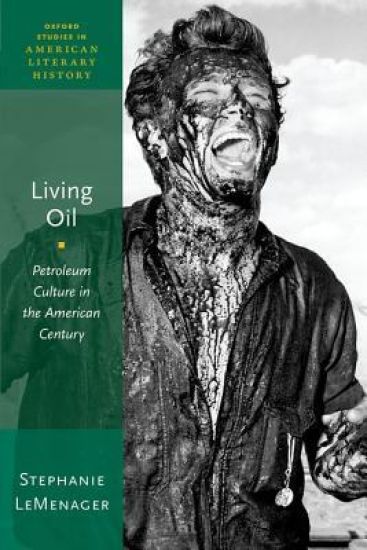
Living Oil

Living Oil

Stephanie LeMenager

Oxford University Press Inc
2016
nidottu
Living Oil is a work of environmental cultural studies that engages with a wide spectrum of cultural forms, from museum exhibits and oil industry tours to poetry, documentary film, fiction, still photography, novels, and memoirs. The book's unique focus is the aesthetic, sensory, and emotional legacies of petroleum, from its rise to the preeminent modern fossil fuel during World War I through the current era of so-called "Tough Oil." LeMenager explores the uncomfortable, mixed feelings produced by oil's omnipresence in cultural artifacts such as books, films, hamburgers, and Aspirin tablets. The book makes a strong argument for the region as a vital intellectual frame for the study of fossil fuels, because at the regional level we can better recognize the material effects of petroleum on the day-to-day lives of humans and other, non-human lives. The fluid mobility of oil carries the book outside the United States, for instance to Alberta and Nigeria, emphasizing how both international and domestic resource regions have been mined to produce the idealized modern cultures of the so-called American Century.
Living Oil

Living Oil

Stephanie LeMenager

Oxford University Press Inc
2014
sidottu
Living Oil is a work of environmental cultural studies that engages with a wide spectrum of cultural forms, from museum exhibits and oil industry tours to poetry, documentary film, fiction, still photography, novels and memoirs. The book's unique focus is the aesthetic, sensory and emotional legacies of petroleum, from its rise to the preeminent modern fossil fuel during World War I through the current era of so-called Tough Oil. LeMenager conceives Tough Oil as a bid for continuity with the charismatic lifestyles of the American twentieth century that carries distinct and extreme external costs. She explores the uncomfortable, mixed feelings produced by oil's omnipresence in cultural artifacts such as books, films, hamburgers, and Aspirin tablets. The book makes a strong argument for the region as a vital intellectual frame for the study of fossil fuels, because at the regional level we can better recognize the material effects of petroleum on the day-to-day lives of humans and other, non-human lives. Varied forms of art, too, localize the material impacts of petro-culture. The fluid mobility of oil carries the book outside the United States, for instance to Alberta and Nigeria, emphasizing how both international and domestic resource regions have been mined to produce the idealized modern cultures of the so-called American Century.

Manifest and Other Destinies

Manifest and Other Destinies

Stephanie LeMenager

University of Nebraska Press
2008
pokkari
Manifest and Other Destinies critiques Manifest Destiny's exclusive claim as an explanatory national story in order to rethink the meaning and boundaries of the West and of the United States' national identity. Stephanie LeMenager considers the American West before it became a trusted symbol of U.S. national character or a distinct literary region in the later nineteenth century, back when the West was undeniably many wests, defined by international economic networks linking diverse territories and peoples from the Caribbean to the Pacific coast. Many nineteenth-century novelists, explorers, ideologues, and humorists imagined the United States' destiny in what now seem unfamiliar terms, conceiving of geopolitical configurations or possible worlds at odds with the land hunger and "providential" mission most clearly associated with Manifest Destiny. Manifest and Other Destinies draws from an archive of this literature and rhetoric to offer a creative rereading of national and regional borders. LeMenager addresses both canonical and lesser-known U.S. writers who shared an interest in western environments that resisted settlement, including deserts, rivers, and oceans, and who used these challenging places to invent a postwestern cultural criticism in the nineteenth century. Le Menager highlights the doubts and self-reckonings that developed alongside expansionist fervor and predicted contemporary concerns about the loss of cultural and human values to an emerging global order. In Manifest and Other Destinies, the American West offers the United States its first encounter with worlds at once local and international, worlds that, as time has proven, could never be entirely subordinated to the nation's imperial desire.