Kirjojen hintavertailu. Mukana 11 342 296 kirjaa ja 12 kauppaa.

Kirjahaku

Etsi kirjoja tekijän nimen, kirjan nimen tai ISBN:n perusteella.

4 kirjaa tekijältä Stephanie Vandrick

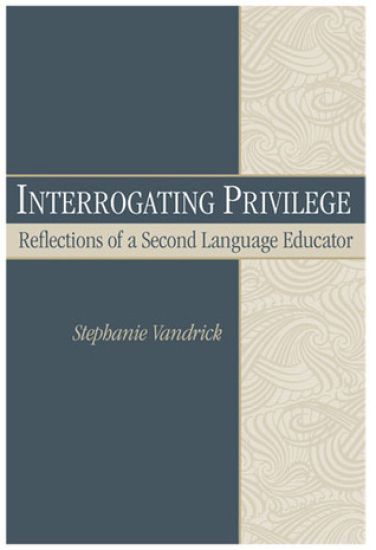
Interrogating Privilege

Interrogating Privilege

Stephanie Vandrick

The University of Michigan Press
2009
nidottu
Interrogating Privilege is a welcome combination of personal essays and academic research, blending theory, analysis, and narrative to explore the function and consequences of privilege in second language education.While teachers’ focus on the learning process and class goals are quite important, there is not enough attention paid to the types of privilege—or lack thereof—that individuals bring to the classroom. Through chapters that can either stand alone or be read together, with topics such as gender, age, and colonialism (the author is the daughter of missionary parents) in second language teaching, this book seeks to address the experiences of teachers, scholars, and students as “whole persons” and to observe the workings of identity and privilege in the educational setting.
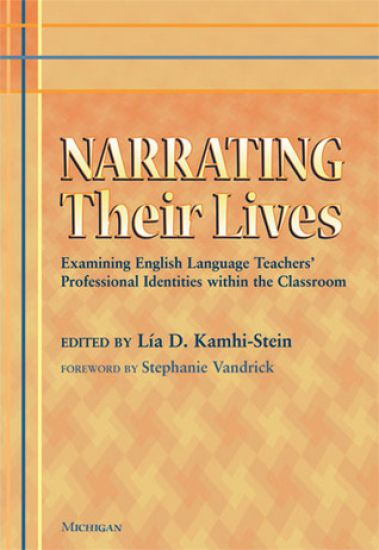
Narrating Their Lives

Narrating Their Lives

Stephanie Vandrick

The University of Michigan Press
2013
nidottu
“…a groundbreaking book that will…engage, inform, and connect with present and future teachers and teacher educators.” ---Stephanie Vandrick, Foreword to Narrating Their LivesThe field of TESOL has called attention to the ways that the issues of race and ethnicity, language status and power, and cultural background affect second language learners’ identities and, to some degree, those of teachers. In Narrating Their Lives, Kamhi-Stein examines the process of identity construction of classroom teachers so as to make connections between their personal and professional identities and their instructional practices. To do that, she has selected six autobiographical narratives from teachers who were once part of her TESL 570 (Educational Sociolinguistics) class in the MA TESOL program at California State University, Los Angeles. These six narratives cover a surprisingly wide range of identity issues but also touch on broader instructional themes that are part of teacher education programs. Because of the reflective nature of the narratives—with the teachers using their stories to better understand how their experiences shape what they do in the classroom—this volume includes provocative chapter-opening and reflective chapter-closing questions. An informative discussion of the autobiographical narrative assignment and the TESL 570 course (including supplemental course readings and assessment criteria) is also included.
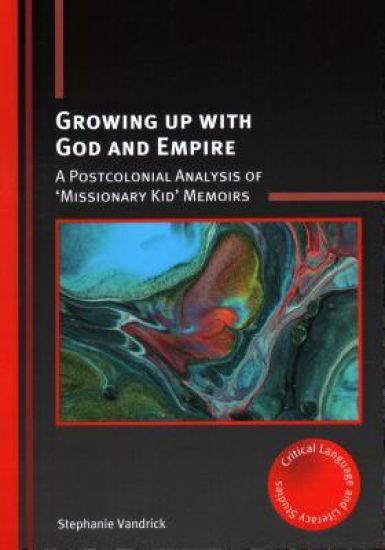
Growing up with God and Empire

Growing up with God and Empire

Stephanie Vandrick

Multilingual Matters
2018
nidottu
This book analyzes the memoirs of 42 ‘missionary kids’ – the children of North American Protestant missionaries in countries all over the world during the 20th century. Using a postcolonial lens the book explores ways in which the missionary enterprise was part of, or intersected with, the Western colonial enterprise, and ways in which a colonial mindset is unconsciously manifested in these memoirs. The book explores how the memoirists’ sites and experiences are exoticized; the missionary kids’ likelihood of learning – or not learning – local languages; the missionary families’ treatment of servants and other local people; and gender, race and social class aspects of the missionary kids’ experiences. Like other Third Culture Kids, the memoirists are migrants, travelers, border-crossers and border-dwellers who alternate between insider and outsider statuses, and their words shed light on the effects of movement and travel on children’s lives and development.
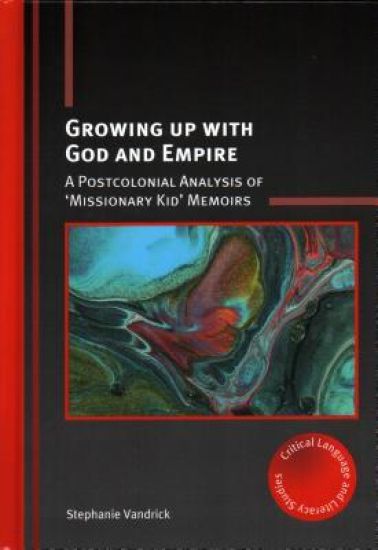
Growing up with God and Empire

Growing up with God and Empire

Stephanie Vandrick

Multilingual Matters
2018
sidottu
This book analyzes the memoirs of 42 ‘missionary kids’ – the children of North American Protestant missionaries in countries all over the world during the 20th century. Using a postcolonial lens the book explores ways in which the missionary enterprise was part of, or intersected with, the Western colonial enterprise, and ways in which a colonial mindset is unconsciously manifested in these memoirs. The book explores how the memoirists’ sites and experiences are exoticized; the missionary kids’ likelihood of learning – or not learning – local languages; the missionary families’ treatment of servants and other local people; and gender, race and social class aspects of the missionary kids’ experiences. Like other Third Culture Kids, the memoirists are migrants, travelers, border-crossers and border-dwellers who alternate between insider and outsider statuses, and their words shed light on the effects of movement and travel on children’s lives and development.