
Kirjahaku
Etsi kirjoja tekijän nimen, kirjan nimen tai ISBN:n perusteella.
8 kirjaa tekijältä Stephen Cooper


For people who believe in the paranormal-ghosts, spirits, and other unexplainable encounters-most will agree that old hospitals and asylums are the most haunted places you can visit. With thirteen chilling chapters, Haunted Hospitals delves into the history of the most infamous asylums, sanitariums and hospitals on Earth, unlocking their dark histories and detailing their paranormal activities.Settle in to your favorite chair with a mug of hot cocoa and prepare to be creeped out by these 50 strange and supernatural true tales. Collected and curated over the course of nearly three decades by the owner of the internet's first and oldest ghost information website, these true stories are sure to pique the interest of aficionados of otherworldly phenomena. You'll also find true stories of haunted beaches across the globe, including: A beach in India next to a cremation ground where it seems tourists are drawn out into the water-and to their death.A beach in Singapore that was the site of multiple mass civilian executions in World War II, a tragedy that has been reenacted multiple times by the spirits of those involved.A stretch of beach in Canada haunted by a man who wasn't allowed to remain at rest in his chosen burial place by the sea.This means you can fully immerse yourself in the chilling narratives and haunted mysteries while enjoying the added benefit of a cost-effective option. Take advantage of the chance to experience both volumes and unlock the secrets of history's spectral imprints on our world.
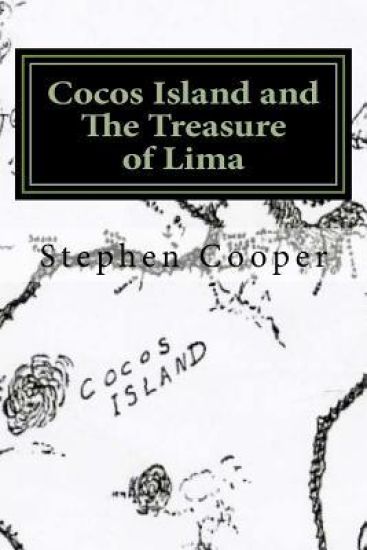
Cocos Island and The Treasure of Lima: A Desert Island Myth
Stephen Cooper
Createspace Independent Publishing Platform
2017
nidottu
This book examines the evidence for the widespread idea that 'the Treasure of Lima' was buried on Cocos Island in the Pacific Ocean in 1820, and remains there to this day. The legend inspired some 500 expeditions to the Island between 1850 and 1978, when digging for buried treasure became illegal.
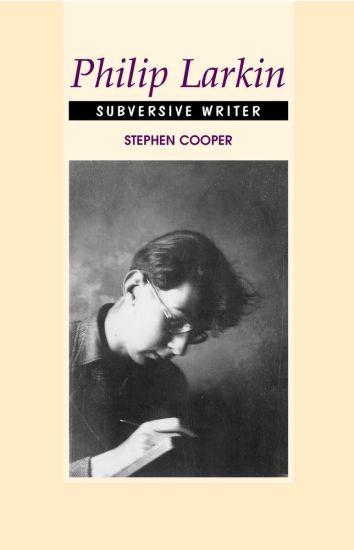
Overturning many of the established perspectives on Larkin's poetry and prose, Cooper's book presents new evidence from a range of previously unpublished sources, and is the first full-length critical work to analyse Larkin's early fiction, as well as advancing new readings of The Less Deceived', The Whitsun Weddings' and High Windows'. Critics have tended to label Larkin's poetry as sexist, racist and reactionary. However, this volume demonstrates that Larkin's artistic impulse throughout his career was to challenge orthodox models of social and sexual politics. Focusing on the Brunette Coleman novellas and the unfinished novels, a structural blueprint is identified as prefiguring the later poems' commentary on sexual and social conduct. Further unpublished material includes correspondence, workbook drafts, dream records, and a playscript, depicting, alternately, hostility to wartime heroics, revulsion from capitalism, unease with traditional gender roles and an interest in psychoanalysis. This study makes available to scholars paintings by Larkin's friend, James Sutton, which illuminate the writer's concern with social oppression, especially the predicament of women in the 1940s. This is a fresh and revealing study on Larkin's artistic subversion; stylistic and thematic, it reveals the underlying themes of Larkin's entire oeuvre.

In Florence cathedral hangs a remarkable portrait by Uccello of Sir John Hawkwood, the English soldier of fortune who commanded the Florentine army at the age of 70 and earned a formidable reputation as one of the foremost mercenaries of the late middle ages. His life is an amazing story. He rose from modest beginnings in an Essex village, fought through the French campaigns of Edward III, went to Italy when he was 40 and played a leading role in ceaseless strife of the city-states that dominated that country. His success over so many years in such a brutal and uncertain age was founded on his exceptional skill as a soldier and commander, and it is this side of his career that Stephen Cooper explores in this perceptive and highly readable study.
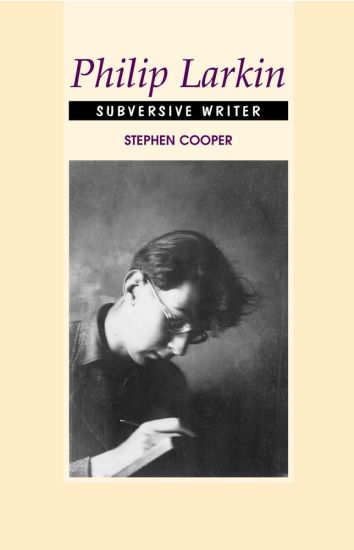
Overturning many of the established perspectives on Larkin's poetry and prose, Cooper's book presents new evidence from a range of previously unpublished sources, and is the first full-length critical work to analyse Larkin's early fiction, as well as advancing new readings of The Less Deceived', The Whitsun Weddings' and High Windows'. Critics have tended to label Larkin's poetry as sexist, racist and reactionary. However, this volume demonstrates that Larkin's artistic impulse throughout his career was to challenge orthodox models of social and sexual politics. Focusing on the Brunette Coleman novellas and the unfinished novels, a structural blueprint is identified as prefiguring the later poems' commentary on sexual and social conduct. Further unpublished material includes correspondence, workbook drafts, dream records, and a playscript, depicting, alternately, hostility to wartime heroics, revulsion from capitalism, unease with traditional gender roles and an interest in psychoanalysis. This study makes available to scholars paintings by Larkin's friend, James Sutton, which illuminate the writer's concern with social oppression, especially the predicament of women in the 1940s. This is a fresh and revealing study on Larkin's artistic subversion; stylistic and thematic, it reveals the underlying themes of Larkin's entire oeuvre.