

Kirjahaku
Etsi kirjoja tekijän nimen, kirjan nimen tai ISBN:n perusteella.
3 kirjaa tekijältä Stephen Dale
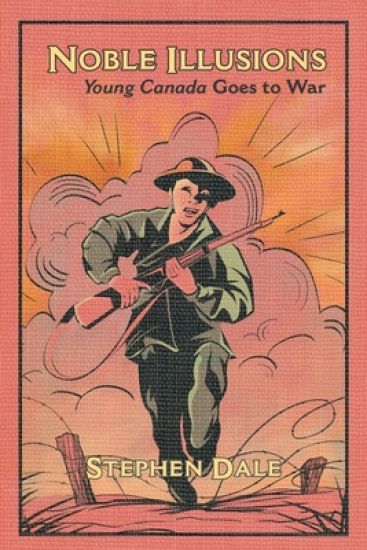
One hundred years ago saw the declaration of a war that would forever change our understanding of war. With a staggering loss of life, World War One was, by all accounts, a brutal and devastating tragedy. And yet, on the eve of the hundredth anniversary, countries around the world are preparing to commemorate the Great War not with regret but with nationalist pride. Conservative forces, already well into a program to elevate the place of the military in society, are embracing the opportunity to replace today's apparent cynicism with an unquestioning patriotism similar to that which existed a century ago. Politicians on both sides of the Atlantic are imploring their citizens - especially their youth - to revive the sense of duty embodied in the generation that served in the trenches. But is the ennobling nature of patriotism the real lesson that people today should extract from that now-vanished generation's experience? Through a dialogue with a pop-culture artifact from a lost world - a boys' annual called Young Canada - Noble Illusions examines the use of propaganda to glorify racist colonial wars and, in the wake of those, the Great War. A juxtaposition of earnest instruction on the cultivation of everyday virtues and brutal tales of war masquerading as moral lessons on valour and righteousness, Young Canada helped to persuade a generation of young Canadians to head eagerly to the trenches of World War One. Concerned that the rise of militarism is leading today's youth in a similar direction, Stephen Dale offers this examination as an inoculation against the blind patriotism politicians are working so hard to instill.
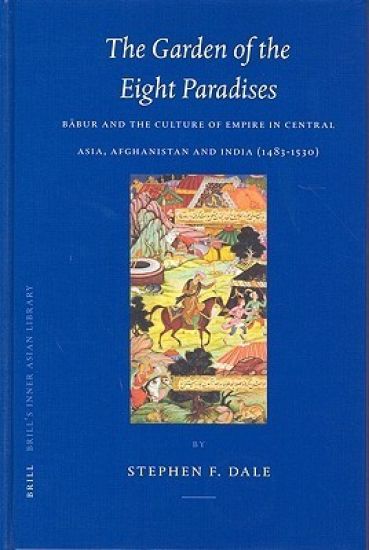
This the first critical biography of Zahir al-Din Muhammad Babur, the founder of one of the great premodern Islamic empires, the Timurid-Mughul empire of India. It contains an original evaluation of his life and writings as well as fresh insights into both the nature of empire building and the character of the Timurid-Mughul state. Based upon recently published critical editions of Babur's autobiography and poetry, the book examines Babur's life from the time he inherited his father's authority in the Ferghanah valley, east of Samarqand, in 1494, until his death in Agra, India in 1530. The book is written in an alternating series of thematic and narrative chapters. The thematic or analytical chapters examine his major writings, discuss his cultural personality and his reaction to Indian culture, while the narrative chapters relate the story of his life while critically commenting on his autobiographical intent. The book contributes to the history of the Timurid period, the study of early modern Islamic empires and the nature of autobiographical literature in Islamic and Asian societies. It is illustrated with fifteen colour plates and four maps.