Kirjojen hintavertailu. Mukana 11 348 157 kirjaa ja 12 kauppaa.

Kirjahaku

Etsi kirjoja tekijän nimen, kirjan nimen tai ISBN:n perusteella.

3 kirjaa tekijältä Stephen Frantzich

Honored Guests

Honored Guests

Stephen Frantzich

Rowman Littlefield
2011
sidottu
In 1982, Ronald Reagan invited Lenny Skutnick, the government employee who dove into the icy waters of the Potomac River to rescue passengers following the crash of Air Florida Flight 90, to sit with First Lady Nancy Reagan in the House of Representatives balcony during the State of the Union address. Since that time, Reagan and subsequent presidents have found it useful to recognize during major presidential addresses ordinary citizens responsible for extraordinary acts of citizenship. In this book, Stephen Frantzich tells the fascinating stories of forty heroes who have earned this presidential recognition and explores the larger context of whether they represent a presidential gimmick or a touchstone with the American spirit. Taken together, the stories of how they got there, their decision to allow themselves to be used as symbols, and the impact of the recognition tells a great deal about the presidency, politics, and the role of heroes in American society.
Congress, the Media, and the Public

Congress, the Media, and the Public

Stephen Frantzich

Paradigm
2015
sidottu
From the beginning of the Republic, members of Congress have been in the media spotlight. In recent years, the expansion of media venues has provided both challenges and opportunities to Representatives and Senators, the public, and even the media itself. Legacy media such as newspapers and broadcast television each carry with them their own needs and accepted usages affecting the kind and volume of news about Congress delivered to the public. These sources still serve important roles for much of the public and are covered here. This book goes beyond the traditional legacy media to include Congress’ portrayal on live television, in political cartoons, in film, as a part of the emerging “infotainment†venues, and through social media such as web pages, Facebook, and Twitter. We increasingly live in a world where the lines between traditional news and others sources of information have been erased.This is an exciting, if challenging, time, for Congress, the media, and the public as each attempts to sort out the new media environment and employ it to its advantage. Using a comprehensive analysis of previous research, dozens of interviews, and the inclusion of empirical data, this book assesses the current status of the relationship between Congress and the media and sorts out the temporary changes from those likely to represent future trends. Whether one is associated with Congress, is an interested citizen, or is part of the media industry, understanding the relationships and developments between and among them is key to understanding how the public behaves in relation to Congress, and vice versa.
Congress, the Media, and the Public

Congress, the Media, and the Public

Stephen Frantzich

Paradigm
2015
nidottu
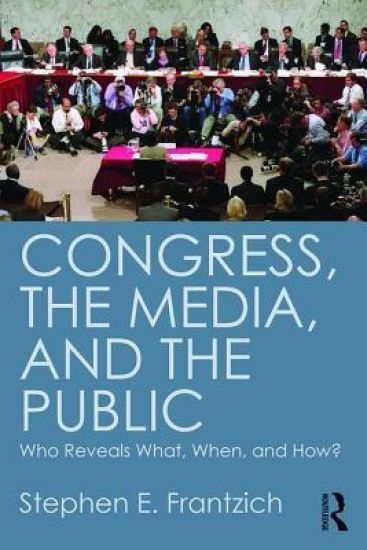
From the beginning of the Republic, members of Congress have been in the media spotlight. In recent years, the expansion of media venues has provided both challenges and opportunities to Representatives and Senators, the public, and even the media itself. Legacy media such as newspapers and broadcast television each carry with them their own needs and accepted usages affecting the kind and volume of news about Congress delivered to the public. These sources still serve important roles for much of the public and are covered here. This book goes beyond the traditional legacy media to include Congress’ portrayal on live television, in political cartoons, in film, as a part of the emerging “infotainment†venues, and through social media such as web pages, Facebook, and Twitter. We increasingly live in a world where the lines between traditional news and others sources of information have been erased.This is an exciting, if challenging, time, for Congress, the media, and the public as each attempts to sort out the new media environment and employ it to its advantage. Using a comprehensive analysis of previous research, dozens of interviews, and the inclusion of empirical data, this book assesses the current status of the relationship between Congress and the media and sorts out the temporary changes from those likely to represent future trends. Whether one is associated with Congress, is an interested citizen, or is part of the media industry, understanding the relationships and developments between and among them is key to understanding how the public behaves in relation to Congress, and vice versa.