Kirjojen hintavertailu. Mukana 12 390 323 kirjaa ja 12 kauppaa.

Kirjahaku

Etsi kirjoja tekijän nimen, kirjan nimen tai ISBN:n perusteella.

4 kirjaa tekijältä Stephen Hebron, Elizabeth C. Denlinger

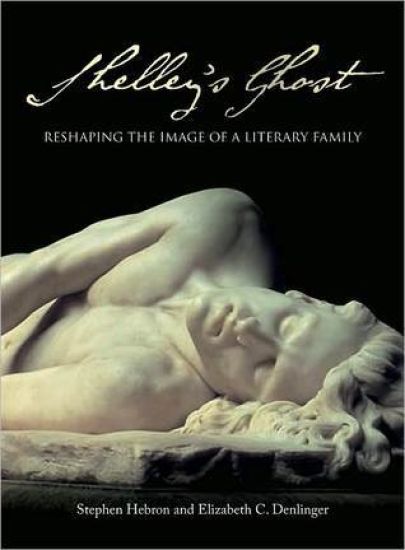
Shelley's Ghost

Shelley's Ghost

Stephen Hebron; Elizabeth C. Denlinger

Bodleian Library
2010
nidottu
Few families enjoy such a remarkable reputation for their contribution to the literature and intellectual life of Britain as the Godwins and the Shelleys. Yet this reputation was shaped in a subtle way by the selective release of literary manuscripts into the public realm and the suppression of others. This book explores the lives and posthumous reputations of Percy Bysshe Shelley, his wife Mary Shelley, and Mary’s parents, William Godwin and Mary Wollstonecraft. It tells the story of how Mary Shelley, haunted by the past, directly sought to enhance the public’s appreciation of her husband and parents by the selective publication of relevant manuscripts. It also explains how she passed on this legacy to her son, Sir Percy Florence Shelley and his wife, Jane, Lady Shelley. As guardian of the archive until giving part of it to the Bodleian in 1893-4, Lady Shelley too helped shape the posthumous reputations of these important writers. Drawing on the Bodleian Library’s outstanding collections of letters, literary manuscripts, rare printed books and pamphlets, portraits and relics, including Shelley’s working notebooks, a letter from Keats to Shelley, William Godwin’s diary, and the original manuscripts of Mary Shelley’s Frankenstein, Stephen Hebron charts the history of a family blessed with genius but marred by tragedy. The final chapter by Elizabeth C. Denlinger of the New York Public Library explores the material relating to the Shelley family that slipped beyond the family’s control. Reproducing many of the archive documents and Shelley relics, this highly illustrated book accompanies an exhibition at the Bodleian Library, Dove Cottage, Grasmere and the New York Public Library.
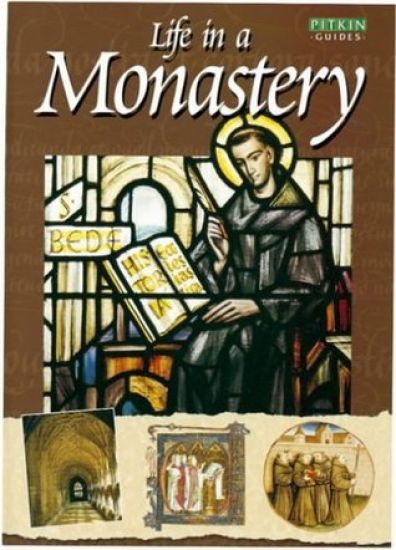
Life in a Monastery

Life in a Monastery

Stephen Hebron

Pitkin Publishing
2006
nidottu
This Pitkin guide uncovers the fascinating lives of medieval monks in Britain. The golden age of the monastery in Britain was between the Norman Conquest (1066) and the dissolution of the monasteries (1536-40). The monks were secluded in the great monasteries, freed from the temptations and distractions of the fallen world and governed by the triple vows of poverty, chastity and obedience. Yet they contributed to the societies of their time to such an extent that they can be proclaimed pillars of the medieval economy. This guide explores how this happened, and how the daily lives of the monks influenced great social and political changes across the country. Look out for more Pitkin Guides on the very best of British history, heritage and travel, particularly the other books in the 'Life in' series: Medieval England, Tudor England, Stuart England, Georgian England and Victorian Britain.
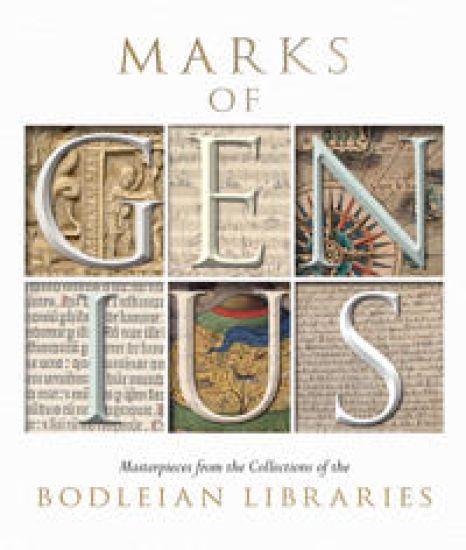
Marks of Genius

Marks of Genius

Stephen Hebron

Bodleian Library
2015
nidottu
What sets Mary Shelley’s Frankenstein apart from so many other famous works of fiction? What special combination of creativity and vision made possible the drafting of Mag¬na Carta? When describing exceptional accomplishments like these – and the men and women behind them – we use the word ‘genius’. And while genius is difficult to define, we all recognize that elusive, special quality when we encounter it. 'Marks of Genius' pays tribute to some of the most remarkable testaments to genius throughout human history, from ancient texts on papyrus and the extraordinary medieval manuscript 'The Douce Apocalypse' to the renowned children's work 'The Wind in the Willows'. Bringing together some of the most impressive treasures from the collections of the Bodleian Libraries, it tells the story of the creation of each work and its afterlife, offering insight into the breadth and depth of its influence as well as its power to fascinate. Illustrating works from Euclid, Dante and Handel to Einstein, Austen and Gandhi, 'Marks of Genius' showcases over 100 books and manuscripts that constitute the pinnacle of human creativity and which we continue to revere and revisit.
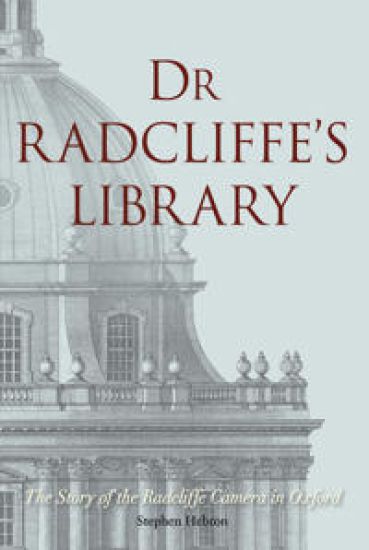
Dr Radcliffe's Library

Dr Radcliffe's Library

Stephen Hebron

Bodleian Library
2014
sidottu
The Radcliffe Camera is one of the most celebrated buildings in Oxford. Instantly recognizable, its great dome rises amid the Gothic spires of the University. Through early maps, plans and drawings, portraits, engravings and photographs this book tells the fascinating story of its creation, which took more than thirty years, and describes its subsequent place within Oxford University. Dr John Radcliffe was the most successful physician of his day. On his death in 1713 he directed that part of his large fortune should be used to build a library on a site at the heart of Oxford, between the University Church of St Mary’s and the Bodleian. Early designs were made by the brilliant architect Nicholas Hawksmoor, who outlined the shape so familiar today: a great rotunda surmounted by Oxford’s only dome. It would take decades to acquire and clear the site, and after Hawksmoor’s death in 1736 the project was taken over by the Scottish architect James Gibbs, who refined the designs and supervised the construction of ‘Dr Radcliffe’s Library’, creating, in the process, an architectural masterpiece and Britain’s first circular library.