Kirjojen hintavertailu. Mukana 11 717 486 kirjaa ja 12 kauppaa.

Kirjahaku

Etsi kirjoja tekijän nimen, kirjan nimen tai ISBN:n perusteella.

3 kirjaa tekijältä Stephen O'Neill

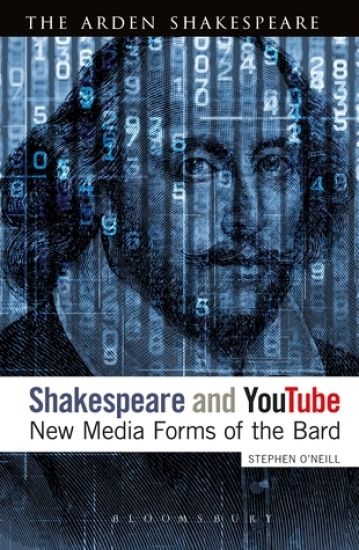
Shakespeare and YouTube

Shakespeare and YouTube

Stephen O'Neill

The Arden Shakespeare
2014
sidottu
The video-sharing platform YouTube signals exciting opportunities and challenges for Shakespeare studies. As patron, distributor and archive, YouTube occasions new forms of user-generated Shakespeares, yet a reduced Bard too, subject to the distractions of the contemporary networked mediascape. This book identifies the genres of YouTube Shakespeare, interpreting them through theories of remediation and media convergence and as indices of Shakespeare’s shifting cultural meanings. Exploring the intersection of YouTube’s participatory culture – its invitation to ‘Broadcast Yourself’ – with its corporate logic, the book argues that YouTube Shakespeare is a site of productive tension between new forms of self-expression and the homogenizing effects of mass culture. Stephen O’Neill unfolds the range of YouTube’s Bardic productions to elaborate on their potential as teaching and learning resources. The book importantly argues for a critical media literacy, one that attends to identity constructions and to the politics of race and gender as they emerge through Shakespeare’s new media forms. Shakespeare and YouTube will be of interest to students and scholars of Shakespearean drama, poetry and adaptations, as well as to new media studies.
Shakespeare and YouTube

Shakespeare and YouTube

Stephen O'Neill

The Arden Shakespeare
2015
nidottu
The video-sharing platform YouTube signals exciting opportunities and challenges for Shakespeare studies. As patron, distributor and archive, YouTube occasions new forms of user-generated Shakespeares, yet a reduced Bard too, subject to the distractions of the contemporary networked mediascape. This book identifies the genres of YouTube Shakespeare, interpreting them through theories of remediation and media convergence and as indices of Shakespeare’s shifting cultural meanings. Exploring the intersection of YouTube’s participatory culture – its invitation to ‘Broadcast Yourself’ – with its corporate logic, the book argues that YouTube Shakespeare is a site of productive tension between new forms of self-expression and the homogenizing effects of mass culture. Stephen O’Neill unfolds the range of YouTube’s Bardic productions to elaborate on their potential as teaching and learning resources. The book importantly argues for a critical media literacy, one that attends to identity constructions and to the politics of race and gender as they emerge through Shakespeare’s new media forms. Shakespeare and YouTube will be of interest to students and scholars of Shakespearean drama, poetry and adaptations, as well as to new media studies.
Irish Culture and Partition, 1920–1955

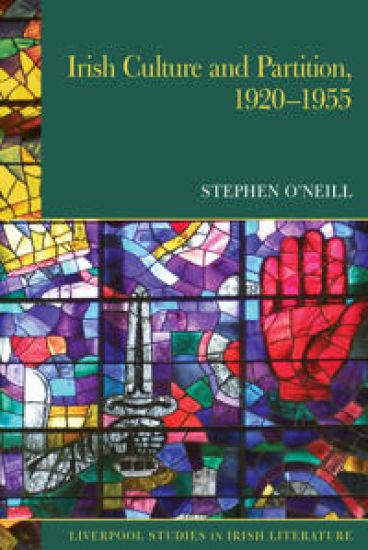
Irish Culture and Partition, 1920–1955

Stephen O'Neill

LIVERPOOL UNIVERSITY PRESS
2025
sidottu
Irish Culture and Partition, 1920–1955 is the first study of the impact of partition on the culture of Ireland. Examining the island’s literature, art, history and visual culture, it argues that the establishment and maintenance of partition had a deep impact on the ways that Irish culture was produced and interpreted. Drawing upon archives from both partition states, as well as the private papers of several authors, it resituates debates around Irish culture and politics within the polemics of state formation, including work from Evie Hone, St John Ervine, Michael McLaverty, William Conor, Flann O’Brien, Agnes Romilly White, Benedict Kiely, Dorothy Macardle and many others. It also places literature and culture within the context of literary congresses, art exhibitions, state festivals and World’s Fairs. In considering partition not as a past event but a process which continues in the present, this study recovers the networks of influence and production as well as the debates around partition that propelled Irish culture in these years. Placing the production of culture and the invention of tradition by the two Irish partition states in conversation with each other for the first time, Irish Culture and Partition, 1920–1955 argues for a reconsideration of the language, imagery and chronology of the island’s division.