Kirjojen hintavertailu. Mukana 12 016 292 kirjaa ja 12 kauppaa.

Kirjahaku

Etsi kirjoja tekijän nimen, kirjan nimen tai ISBN:n perusteella.

7 kirjaa tekijältä Steven H. Cooper

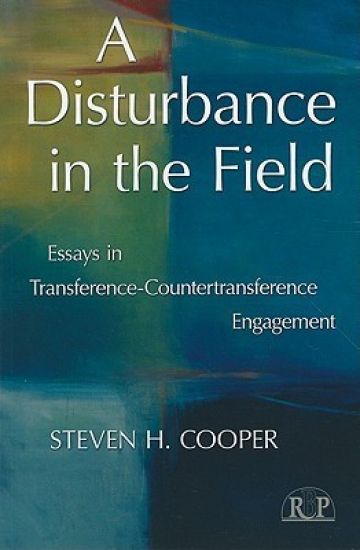
A Disturbance in the Field

A Disturbance in the Field

Steven H. Cooper

Routledge
2010
nidottu
The field, as Steven Cooper describes it, is comprised of the inextricably related worlds of internalized object relations and interpersonal interaction. Furthermore, the analytic dyad is neither static nor smooth sailing. Eventually, the rigorous work of psychoanalysis will offer a fraught opportunity to work through the most disturbing elements of a patient's inner life as expressed and experienced by the analyst - indeed, a disturbance in the field. How best to proceed when such tricky yet altogether common therapeutic situations arise, and what aspects of transference/countertransference should be explored in the service of continued, productive analysis?These are two of the questions that Steven Cooper explores in this far-ranging collection of essays on potentially thorny areas of the craft. His essays try to locate some of the most ineffable types of situations for the analyst to take up with patients, such as the underlying grandiosity of self-criticism; the problems of too much congruence between what patients fantasize about and analysts wish to provide; and the importance of analyzing hostile and aggressive aspects of erotic transference. He also tries to turn inside-out the complexity of hostile transference and countertransference phenomena to find out more about what our patients are looking for and repudiating. Finally, Cooper raises questions about some of our conventional definitions of what constitutes the psychoanalytic process. Provocatively, he takes up the analyst's countertransference to the psychoanalytic method itself, including his responsibility and sources of gratification in the work. It is at once a deeply clinical book and one that takes a post-tribal approach to psychoanalytic theory - relational, contemporary Kleinian, and contemporary Freudian analysts alike will find much to think about and debate here.

Objects of Hope

Objects of Hope

Steven H. Cooper

Analytic Press,U.S.
2000
sidottu
Despite the importance of the concept of hope in human affairs, psychoanalysts have long had difficulty accepting responsibility for the manner in which their various interpretive orientations and explanations of therapeutic action express their own hopes for their patients. In Objects of Hope: Exploring Possibility and Limit in Psychoanalysis, Steven Cooper remedies this longstanding lacuna in the literature, and, in the process, provides a thorough comparative analysis of contemporary psychoanalytic models with respect to issues of hope and hopefulness. Cooper's task is challenging, given that the most hopeful aspects of human growth frequently entail acceptance of the destructive elements of our inner lives. The analysis of hope, then, implicates what Cooper sees as a central dialectic tension in psychoanalysis: that between psychic possibility and psychic limit. He argues that analysts have historically had difficulty integrating the concept of limit into a treatment modality so dedicated to the creation and augmentation of psychic possibility. And yet, it is only by accepting the realm of limit as a necessary counterpoise to the realm of possibility and clinically embracing the tension between the two realms that analysts can further their understanding of therapeutic process in the interest of better treatment outcomes. Cooper persuasively demonstrates how each psychoanalytic theory provides its own logic of hope; this logic, in turn, translates into a distinctive sense of what the analyst may hope for the patient, and what the patient is encouraged to hope for himself or herself. Objects of Hope brings ranging scholarship and refreshing candor to bear on the knotty issue of what can and cannot be achieved in the course of psychoanalytic therapy. It will be valued not only as an exemplary exercise in comparative psychoanalysis, but also as a thoughtful, original effort to place the vital issue of hope at the center of clinical concern.
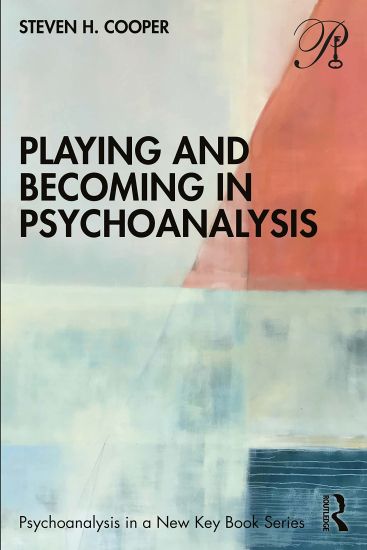
Playing and Becoming in Psychoanalysis

Playing and Becoming in Psychoanalysis

Steven H. Cooper

TAYLOR FRANCIS LTD
2022
sidottu
Building on Winnicott’s theory of play, this book defines the concept of play from the perspective of clinical practice, elaborating on its application to clinical problems. Although Winnicott’s theory of play constitutes a radical understanding of the intersubjectivity of therapy, Cooper contends, there remains a need to explore the significance of play to the enactment of transference-countertransference. Among several ideas, this book considers how to help patients as they navigate debilitating internal object relations, supporting them to engage with "bad objects" in alternatively playful ways. In addition, throughout the book, Cooper develops an ethic of play that can support the analyst to find "ventilated spaces" of their own, whereby they can reflect on transference-countertransference. Rather than being hindered by the limits of the therapeutic setting, this book explores how possibilities for play can develop out of these very constraints, ultimately providing a fulsome exploration of the concept without eviscerating its magic. With a broad theoretical base, and a wide definition of play, this book will appeal to psychoanalysts and psychoanalytic psychotherapists wanting to understand how play functions within and can transform their clinical practice.
Playing and Becoming in Psychoanalysis

Playing and Becoming in Psychoanalysis

Steven H. Cooper

TAYLOR FRANCIS LTD
2022
nidottu
Building on Winnicott’s theory of play, this book defines the concept of play from the perspective of clinical practice, elaborating on its application to clinical problems. Although Winnicott’s theory of play constitutes a radical understanding of the intersubjectivity of therapy, Cooper contends, there remains a need to explore the significance of play to the enactment of transference-countertransference. Among several ideas, this book considers how to help patients as they navigate debilitating internal object relations, supporting them to engage with "bad objects" in alternatively playful ways. In addition, throughout the book, Cooper develops an ethic of play that can support the analyst to find "ventilated spaces" of their own, whereby they can reflect on transference-countertransference. Rather than being hindered by the limits of the therapeutic setting, this book explores how possibilities for play can develop out of these very constraints, ultimately providing a fulsome exploration of the concept without eviscerating its magic. With a broad theoretical base, and a wide definition of play, this book will appeal to psychoanalysts and psychoanalytic psychotherapists wanting to understand how play functions within and can transform their clinical practice.
Psychoanalysis in Play

Psychoanalysis in Play

Steven H. Cooper

TAYLOR FRANCIS LTD
2025
nidottu
In this book, Steven H. Cooper expands on his thinking of psychoanalysis as a form of play and the implications of this for theory and clinical practice.The most important activities of the analyst as a usable object for the patient have to do with finding the patient’s creative elements of self. Cooper illuminates this process of finding within both patient and analyst. He illuminates how play processes occur in relation to such concepts as defense, temporality, and neutrality within the analytic situation. Along the way, he theorizes a complex but usable clinical relationship between becoming and knowing in psychoanalytic work.With rich clinical vignettes and a fresh take on the nature and practice of psychoanalysis, this book is key reading for all psychoanalysts and psychoanalytic psychotherapists.
Psychoanalysis in Play

Psychoanalysis in Play

Steven H. Cooper

TAYLOR FRANCIS LTD
2025
sidottu
In this book, Steven H. Cooper expands on his thinking of psychoanalysis as a form of play and the implications of this for theory and clinical practice.The most important activities of the analyst as a usable object for the patient have to do with finding the patient’s creative elements of self. Cooper illuminates this process of finding within both patient and analyst. He illuminates how play processes occur in relation to such concepts as defense, temporality, and neutrality within the analytic situation. Along the way, he theorizes a complex but usable clinical relationship between becoming and knowing in psychoanalytic work.With rich clinical vignettes and a fresh take on the nature and practice of psychoanalysis, this book is key reading for all psychoanalysts and psychoanalytic psychotherapists.
Objects of Hope

Objects of Hope

Steven H. Cooper

Routledge
2014
nidottu
Despite the importance of the concept of hope in human affairs, psychoanalysts have long had difficulty accepting responsibility for the manner in which their various interpretive orientations and explanations of therapeutic action express their own hopes for their patients. In Objects of Hope: Exploring Possibility and Limit in Psychoanalysis, Steven Cooper remedies this longstanding lacuna in the literature, and, in the process, provides a thorough comparative analysis of contemporary psychoanalytic models with respect to issues of hope and hopefulness. Cooper's task is challenging, given that the most hopeful aspects of human growth frequently entail acceptance of the destructive elements of our inner lives. The analysis of hope, then, implicates what Cooper sees as a central dialectic tension in psychoanalysis: that between psychic possibility and psychic limit. He argues that analysts have historically had difficulty integrating the concept of limit into a treatment modality so dedicated to the creation and augmentation of psychic possibility. And yet, it is only by accepting the realm of limit as a necessary counterpoise to the realm of possibility and clinically embracing the tension between the two realms that analysts can further their understanding of therapeutic process in the interest of better treatment outcomes. Cooper persuasively demonstrates how each psychoanalytic theory provides its own logic of hope; this logic, in turn, translates into a distinctive sense of what the analyst may hope for the patient, and what the patient is encouraged to hope for himself or herself. Objects of Hope brings ranging scholarship and refreshing candor to bear on the knotty issue of what can and cannot be achieved in the course of psychoanalytic therapy. It will be valued not only as an exemplary exercise in comparative psychoanalysis, but also as a thoughtful, original effort to place the vital issue of hope at the center of clinical concern.