Kirjojen hintavertailu. Mukana 11 342 296 kirjaa ja 12 kauppaa.

Kirjahaku

Etsi kirjoja tekijän nimen, kirjan nimen tai ISBN:n perusteella.

4 kirjaa tekijältä Steven Hugg

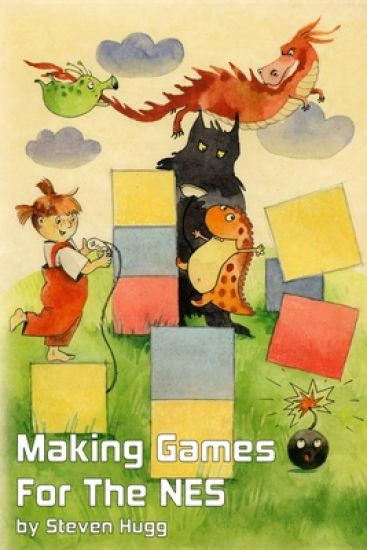
Making Games for the NES

Making Games for the NES

Steven Hugg

Independently Published
2019
nidottu
Learn how to program games for the NES You'll learn how to draw text, scroll the screen, animate sprites, create a status bar, decompress title screens, play background music and sound effects and more. While using the book, take advantage of our Web-based IDE to see your code run instantly in the browser. We'll also talk about different "mappers" which add extra ROM and additional features to cartridges. Most of the examples use the CC65 C compiler using the NESLib library. We'll also write 6502 assembly language, programming the PPU and APU directly, and carefully timing our code to produce advanced psuedo-3D raster effects. Create your own graphics and sound, and share your games with friends
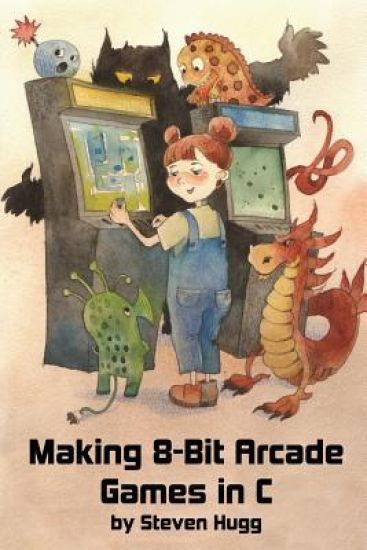
Making 8-bit Arcade Games in C

Making 8-bit Arcade Games in C

Steven Hugg

Createspace Independent Publishing Platform
2017
nidottu
With this book, you'll learn all about the hardware of Golden Age 8-bit arcade games produced in the late 1970s to early 1980s. We'll learn how to use the C programming language to write code for the Z80 CPU.The following arcade platforms are covered: * Midway 8080 (Space Invaders)* VIC Dual (Carnival)* Galaxian/Scramble (Namco)* Atari Color Vector* Williams (Defender, Robotron)We'll describe how to create video and sound for each platform. Use the online 8bitworkshop IDE to compile your C programs and play them right in the browser
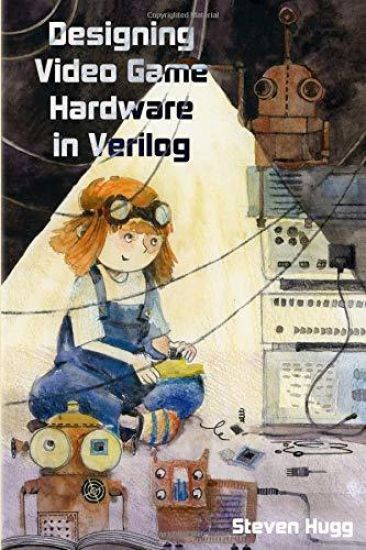
Designing Video Game Hardware in Verilog

Designing Video Game Hardware in Verilog

Steven Hugg

Independently Published
2018
nidottu
This book attempts to capture the spirit of the ''Bronze Age'' of video games, when video games were designed as circuits, not as software. We'll delve into these circuits as they morph from Pong into programmable personal computers and game consoles. Instead of wire-wrap and breadboards, we'll use modern tools to approximate these old designs in a simulated environment from the comfort of our keyboards. At the end of this adventure, you should be well-equipped to begin exploring the world of FPGAs, and maybe even design your own game console. You'll use the 8bitworkshop.com IDE to write Verilog programs that represent digital circuits, and see your code run instantly in the browser.List of Chapters: Boolean LogicDiscrete HardwareClocks and Flip-FlopsHDL (Hardware Description Language)Intro to VerilogThe 8bitworkshop IDEA Simple Clock DividerA Binary CounterVideo Signal GeneratorA Test PatternDigitsScoreboardA Moving BallSlipping CounterRAMTile GraphicsSwitches and PaddlesSpritesBetter SpritesRacing GameSprite RotationMotion VectorsTank GameShift RegistersSound EffectsTilemap RenderingScanline Sprite RenderingThe ALU: Arithmetic Logic UnitA Simple CPUA Configurable AssemblerRacing Game With CPUA 16-bit CPUFramebuffer GraphicsA Programmable Game SystemA Demo ProgramPractical Considerations for Real HardwareFPGA ExamplesAppendix A: Verilog ReferenceAppendix B: Troubleshooting