Kirjojen hintavertailu. Mukana 11 717 486 kirjaa ja 12 kauppaa.

Kirjahaku

Etsi kirjoja tekijän nimen, kirjan nimen tai ISBN:n perusteella.

4 kirjaa tekijältä Steven M. Sheffrin

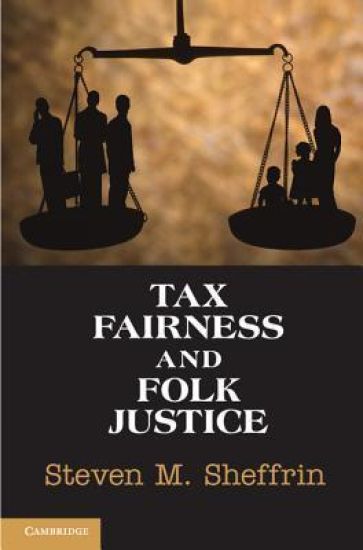
Tax Fairness and Folk Justice

Tax Fairness and Folk Justice

Steven M. Sheffrin

Cambridge University Press
2013
pokkari
Why have Americans severely limited the estate and gift tax - ostensibly targeted at only the very wealthy - but greatly expanded the subsidies to low-wage workers through the Earned Income Tax Credit, now the single largest poverty program in the country? Why do people hate the property tax so much, yet seemingly revolt against it only during periods of economic change? Why are some groups of taxpayers more obedient to the tax authorities than others, even when they face the same enforcement regime? These puzzling questions all revolve around perceptions of tax fairness. Is the public simply inconsistent? A sympathetic and unified explanation for these attitudes is based on understanding the everyday psychology of fairness and how it comes to be applied in taxation. This book demonstrates how a serious consideration of 'folk justice' can deepen our understanding of how tax systems actually function and how they can perhaps be reformed.
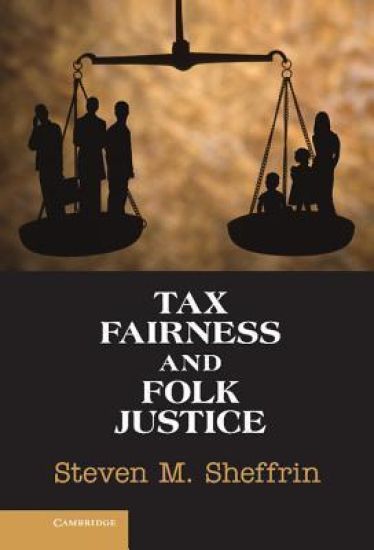
Tax Fairness and Folk Justice

Tax Fairness and Folk Justice

Steven M. Sheffrin

Cambridge University Press
2013
sidottu
Why have Americans severely limited the estate and gift tax - ostensibly targeted at only the very wealthy - but greatly expanded the subsidies to low-wage workers through the Earned Income Tax Credit, now the single largest poverty program in the country? Why do people hate the property tax so much, yet seemingly revolt against it only during periods of economic change? Why are some groups of taxpayers more obedient to the tax authorities than others, even when they face the same enforcement regime? These puzzling questions all revolve around perceptions of tax fairness. Is the public simply inconsistent? A sympathetic and unified explanation for these attitudes is based on understanding the everyday psychology of fairness and how it comes to be applied in taxation. This book demonstrates how a serious consideration of 'folk justice' can deepen our understanding of how tax systems actually function and how they can perhaps be reformed.
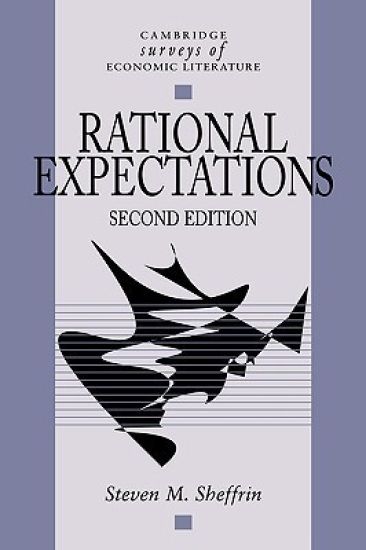
Rational Expectations

Rational Expectations

Steven M. Sheffrin

Cambridge University Press
1996
sidottu
Economists have developed models in which individuals form expectations of key variables in a 'rational' manner such that these expectations are consistent with actual economic environments. Professor Sheffrin first explores the logical foundation of the concept and the case for employing it in economic analysis. Subsequent chapters investigate its use in macroeconomics, financial markets, and microeconomics. A final chapter assesses its impact on theoretical and empirical work in economics and policy arenas. The author argues that while rational expectations are still central to macroeconomic policy debates, fully workable models have not yet been devised, and offers reasons for the lack of practical and conceptual progress. All chapters of the second edition have been revised or expanded. New sections inter alia include material on learning, the rationality of reported expectations, alternative recent developments explicitly or implicitly using rational expectations, new tests of the Lucas critique, and models of noise trading. The book is written in a non-technical fashion for beginning graduate students and non-specialists.
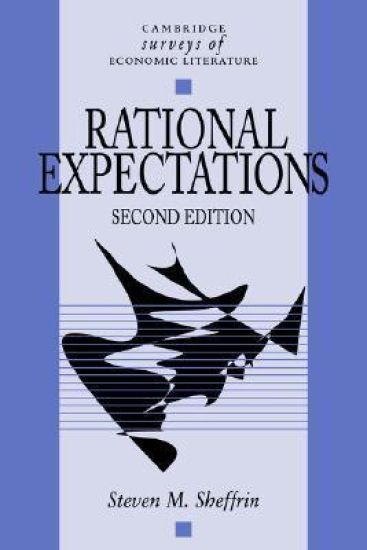
Rational Expectations

Rational Expectations

Steven M. Sheffrin

Cambridge University Press
1996
pokkari
Economists have developed models in which individuals form expectations of key variables in a ‘rational’ manner such that these expectations are consistent with actual economic environments. Professor Sheffrin first explores the logical foundation of the concept and the case for employing it in economic analysis. Subsequent chapters investigate its use in macroeconomics, financial markets, and microeconomics. A final chapter assesses its impact on theoretical and empirical work in economics and policy arenas. The author argues that while rational expectations are still central to macroeconomic policy debates, fully workable models have not yet been devised, and offers reasons for the lack of practical and conceptual progress. All chapters of the second edition have been revised or expanded. New sections inter alia include material on learning, the rationality of reported expectations, alternative recent developments explicitly or implicitly using rational expectations, new tests of the Lucas critique, and models of noise trading. The book is written in a non-technical fashion for beginning graduate students and non-specialists.