
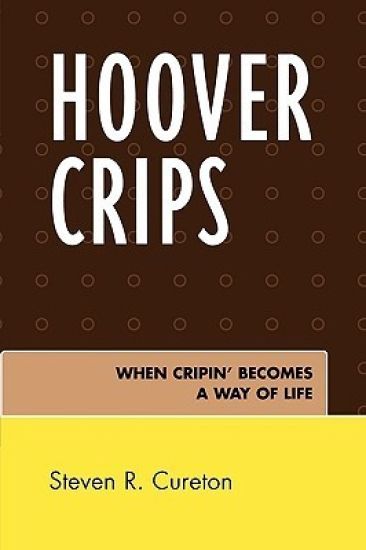
Hoover Crips is the product of field interviews with Crip gang members in South Central Los Angeles, California. Older gang members offer a dramatic portrayal of their life experiences within a social world beset by gangster politics. The book reveals the Hoover street gang is a community institution that significantly impacts the lifestyle choices of Black male residents. The main feature of the book is its insider's view of gangs. Unique information gathered by Professor Steven R. Cureton includes: · the origins and current state of the Hoover community, gang, and residents · insight into the subculture of gang membership, reputation building, and hustling drugs, guns, and people for survival · the balance between humanity, civility, peace, and war in gang life · and new discoveries relative to Black residency in a gang-dominated environment. The study concludes with a "where they are now" for the participants in the interviews. This book is recommended for courses in deviance, juvenile delinquency, criminology, cultural deviance, urban communities/sociology of communities, race in America, Black experiences, race relations, race and ethnic relations, qualitative research methodology, and ethnographic research.
