Kirjojen hintavertailu. Mukana 11 244 527 kirjaa ja 12 kauppaa.

Kirjahaku

Etsi kirjoja tekijän nimen, kirjan nimen tai ISBN:n perusteella.

4 kirjaa tekijältä Stuart A Raymond

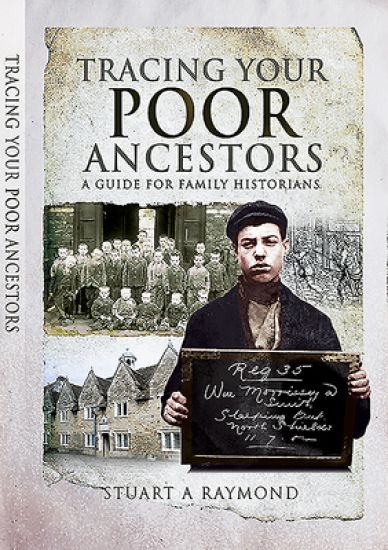
Tracing Your Poor Ancestors

Tracing Your Poor Ancestors

Stuart A Raymond

Pen Sword Family History
2020
nidottu
Many people in the past - perhaps a majority - were poor. Tracing our ancestors amongst them involves consulting a wide range of sources. Stuart Raymond's handbook is the ideal guide to them. He examines the history of the poor and how they survived. Some were supported by charity. A few were lucky enough to live in an almshouse. Many had to depend on whatever the poor law overseers gave them. Others were forced into the Union workhouse. Some turned to a life of crime. Vagrants were whipped and poor children were apprenticed by the overseers or by a charity. Paupers living in the wrong place were forcibly removed' to their parish of settlement. Many parishes and charities offered them the chance to emigrate to North America or Australia. As a result there are many places where information can be found about the poor. Stuart Raymond describes them all: the records of charities, of the poor law overseers, of poor law unions, of Quarter Sessions, of bankruptcy, and of friendly societies. He suggests many other potential sources of information in record offices, libraries, and on the internet.
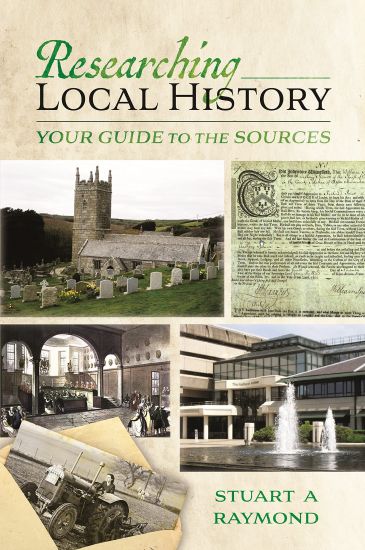
Researching Local History

Researching Local History

Stuart A Raymond

PEN SWORD BOOKS LTD
2022
nidottu
How has the place we live in changed, developed, and grown over the centuries? That is the basic question local historians seek to answer. The answer is to be found in the sources of information that previous generations have left us. The records of parish, county, and diocesan administration, of the courts, of the national government, and of private estates, all have something to tell us about the history of the locality we are interested in. So do old newspapers and other publications. All of these sources are readily available, but many have been little used. Local historians come from a wide diversity of backgrounds. But whether you are a student researching a dissertation, a family historian interested in the wider background history of your family, a teacher, a librarian, an archivist, an academic, or are merely interested in the history of your own area, this book is for you. If you want to research local history, you need a detailed account of the myriad sources readily available. This book provides a comprehensive overview of those sources, and its guidance will enable you to explore and exploit their vast range. It poses the questions which local historians ask, and identifies the specific sources likely to answer those questions.
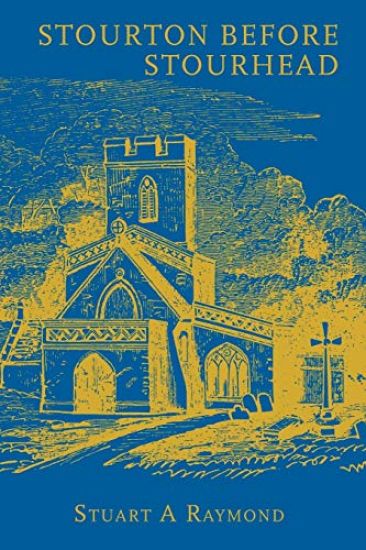
Stourton before Stourhead

Stourton before Stourhead

Stuart A Raymond

Hobnob Press
2019
pokkari
The gardens at Stourhead in south-west Wiltshire are amongst the best known in England. But what was there before they were planted? This book aims to show that the parish of Stourton had a fascinating history long before Stourhead was conceived. For example, it is one of the few places in England which sustained a Roman Catholic congregation throughout the early modern period (and indeed until the 20th century). The author pays particular attention to the histories of Stourton families, both Catholic and non-Catholic - not just the wealthy Stourtons and Hoares, but also the small farmers and tradesmen, and the paupers. This book will interest everyone who visits Stourhead, or who has any connection with 17th and 18th century Stourton.
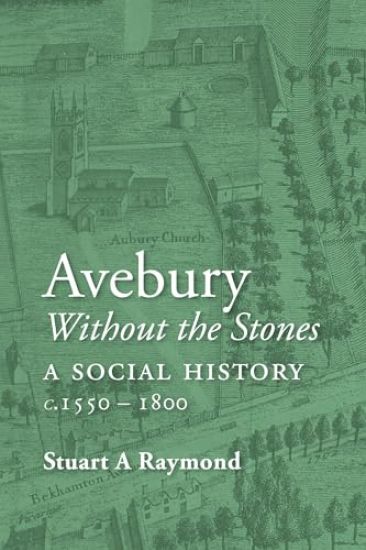
Avebury without the Stones

Avebury without the Stones

Stuart A Raymond

HOBNOB PRESS
2024
pokkari
Avebury is a village in Wiltshire at the heart of the Marlborough Downs. In Avebury the prehistoric stone circle, together with the manor house, receive most of the attention. But what about the history of the ordinary people of the parish? Their story is just as interesting, but is rarely mentioned and little studied. This book sets out to tell their stories: the story of the local gentry and yeomen, the schoolmasters, the carpenters, the masons, the agricultural labourers, the poor. It paints a lively picture of Avebury in the early modern period - its government, its landowners and tenants, its agriculture, its occupations, its living conditions, its religion. It demonstrates that there is much more to Avebury than just its archaeology.