Kirjojen hintavertailu. Mukana 11 244 527 kirjaa ja 12 kauppaa.

Kirjahaku

Etsi kirjoja tekijän nimen, kirjan nimen tai ISBN:n perusteella.

2 kirjaa tekijältä Sumit K. Mandal

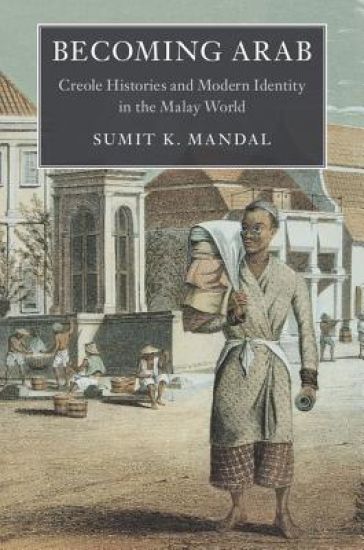
Becoming Arab

Becoming Arab

Sumit K. Mandal

Cambridge University Press
2017
sidottu
Sumit K. Mandal uncovers the hybridity and transregional connections underlying modern Asian identities. By considering Arabs in the Malay world under European rule, Becoming Arab explores how a long history of inter-Asian interaction was altered by nineteenth-century racial categorisation and control. Mandal traces the transformation of Arabs from familiar and multi-faceted creole personages of Malay courts into alienated figures defined by economic and political function. The racialisation constrained but did not eliminate the fluid character of Arabness. Creole Arabs responded to the constraints by initiating transregional links with the Ottoman Empire and establishing modern social organisations, schools, and a press. Contentions emerged between organisations respectively based on Prophetic descent and egalitarianism, advancing empowering but conflicting representations of a modern Arab and Islamic identity. Mandal unsettles finite understandings of race and identity by demonstrating not only the incremental development of a modern identity, but the contested state of its birth.
Becoming Arab

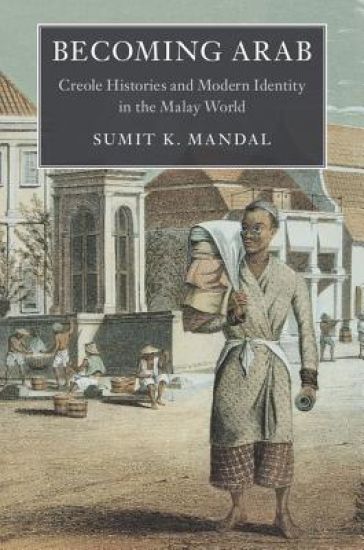
Becoming Arab

Sumit K. Mandal

Cambridge University Press
2017
pokkari
Sumit K. Mandal uncovers the hybridity and transregional connections underlying modern Asian identities. By considering Arabs in the Malay world under European rule, Becoming Arab explores how a long history of inter-Asian interaction was altered by nineteenth-century racial categorisation and control. Mandal traces the transformation of Arabs from familiar and multi-faceted creole personages of Malay courts into alienated figures defined by economic and political function. The racialisation constrained but did not eliminate the fluid character of Arabness. Creole Arabs responded to the constraints by initiating transregional links with the Ottoman Empire and establishing modern social organisations, schools, and a press. Contentions emerged between organisations respectively based on Prophetic descent and egalitarianism, advancing empowering but conflicting representations of a modern Arab and Islamic identity. Mandal unsettles finite understandings of race and identity by demonstrating not only the incremental development of a modern identity, but the contested state of its birth.