Kirjojen hintavertailu. Mukana 12 390 323 kirjaa ja 12 kauppaa.

Kirjahaku

Etsi kirjoja tekijän nimen, kirjan nimen tai ISBN:n perusteella.

3 kirjaa tekijältä Suranjan Ganguly

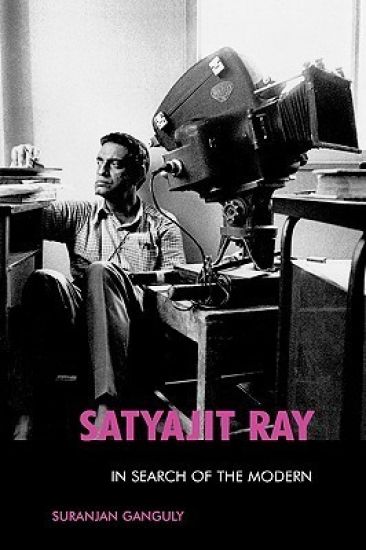
Satyajit Ray

Satyajit Ray

Suranjan Ganguly

Scarecrow Press
2007
nidottu
Satyajit Ray is usually credited with ushering modernity into the tradition-bound Indian Cinema. Suranjan Ganguly's book examines six of Ray's major films focusing on issues such as human subjectivity, the importance of education, the emancipation of women, the rise of the new middle class, and the crisis of identity in post-Independence India. He provides close readings of the following films: Pather Panchali (1955), Aparajito (1956), Apur Sansar (1959), Charulata (1964), Aranyer Din Ratri (1970), and Pratidwandi (1970). All six films relate to Ray's interest in how a culture acquires a composite, hybrid shape through the fusion of history and modernity. By placing Ray's films within the socio-historical and cultural contexts of Indian modernity, Ganguly offers a radically different approach, which will enable Western readers to engage more fully with the filmmaker's work.
The Films of Adoor Gopalakrishnan

The Films of Adoor Gopalakrishnan

Suranjan Ganguly

Anthem Press
2015
sidottu
This first study of Adoor Gopalakrishnan’s feature films offers a compelling analysis of the socio-historical contexts of his work. Suranjan Ganguly examines how Kerala’s abrupt displacement from a princely feudal state into twentieth-century modernity has shaped Gopalakrishnan’s complex narratives about identity, selfhood and otherness, in which innocence is often at stake, and characters struggle with their consciences. Ganguly places the films within their larger frameworks of guilt and redemption in which the hope of emancipation – moral, spiritual and creative – is real and tangible.
The Films of Adoor Gopalakrishnan

The Films of Adoor Gopalakrishnan

Suranjan Ganguly

Anthem Press
2015
nidottu
This first study of Adoor Gopalakrishnan’s feature films offers a compelling analysis of the socio-historical contexts of his work. Suranjan Ganguly examines how Kerala’s abrupt displacement from a princely feudal state into twentieth-century modernity has shaped Gopalakrishnan’s complex narratives about identity, selfhood and otherness, in which innocence is often at stake, and characters struggle with their consciences. Ganguly places the films within their larger frameworks of guilt and redemption in which the hope of emancipation – moral, spiritual and creative – is real and tangible.