Kirjojen hintavertailu. Mukana 11 717 486 kirjaa ja 12 kauppaa.

Kirjahaku

Etsi kirjoja tekijän nimen, kirjan nimen tai ISBN:n perusteella.

6 kirjaa tekijältä Surendra Gopal

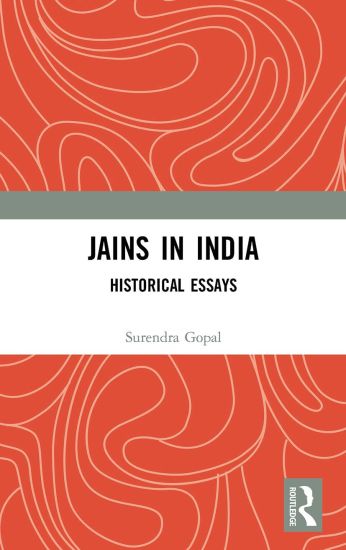
Jains in India

Jains in India

Surendra Gopal

Routledge
2019
sidottu
The Jain community in India, though small in number, is very important in the economic and social life of the country. Jain history becomes more important when we find that the community anticipated new commercial practices adopted by European trading countries from the sixteenth century onwards. Two Jain names stand out in history; they are Veerji Vora, in the seventeenth century and Jagat Seth of Bengal in the eighteenth century. A succession of Jagat Seths interacted with high government officials and were very influential in their time as this volume brings out.This volume contributes significantly to the study of merchant communities and colonial history in South Asia.Please note: Taylor & Francis does not sell or distribute the Hardback in India, Pakistan, Nepal, Bhutan, Bangladesh and Sri Lanka
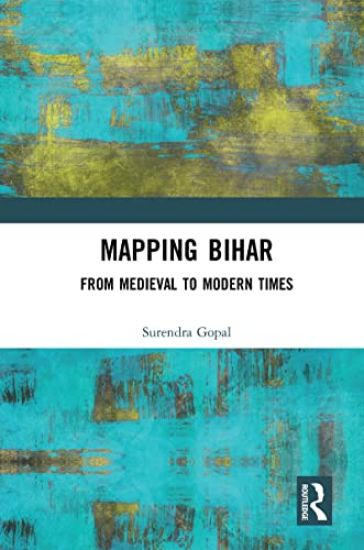
Mapping Bihar

Mapping Bihar

Surendra Gopal

TAYLOR FRANCIS LTD
2024
nidottu
Written Indian history begins in sixth century bc with the history of Magadh (present day states of Jharkhand and Bihar). For almost a millennium Magadh dominated Indian history. The situation changed when Islamicized Turks entered India. The Mughals who followed the Turks ensured Bihar's economic prosperity; Patna became the most important centre of Himalayan trade. European Companies visited Patna to obtain a variety of goods, local as well as Himalayan. In the mid-eighteenth century Bihar and Bengal fell into the hands of Englishmen. A new chapter began.At the turn of the nineteenth century, Industrial Revolution began in Britain.The East India Company stopped trading in textiles. Instead, they promoted cotton cultivation in order that cotton was available to British textile factories. They promoted cultivation of indigo, needed by the textile manufacturing factories coming up. Land revenue source of the government's prime income, was collected even when agricultural output suffered massively. The government took deep interest in opium production but paid the cultivators less than the market price. British interference in agricultural matters caused wide spread agrarian distress.Indian society encountered many socio-religious reform movements. Raja Rammohun Roy and Swami Dayanand were major proponents of the new order. Stress was laid on gender equality, women empowerment and the modern system of education. Institutions for training doctors, engineers and scientists were opened. As time progressed, by and large, Biharis accepted the changes. Eventually social reform movements turned into the freedom movement in which Biharis played a leading role.This comprehensive volume is indispensable for scholars working on Bihar and modern and medieval South Asia.Please note: Taylor & Francis does not sell or distribute the Hardback in India, Pakistan, Nepal, Bhutan, Bangladesh and Sri Lanka
Jains in India

Jains in India

Surendra Gopal

TAYLOR FRANCIS LTD
2024
nidottu
The Jain community in India, though small in number, is very important in the economic and social life of the country. Jain history becomes more important when we find that the community anticipated new commercial practices adopted by European trading countries from the sixteenth century onwards. Two Jain names stand out in history; they are Veerji Vora, in the seventeenth century and Jagat Seth of Bengal in the eighteenth century. A succession of Jagat Seths interacted with high government officials and were very influential in their time as this volume brings out.This volume contributes significantly to the study of merchant communities and colonial history in South Asia.Please note: Taylor & Francis does not sell or distribute the Hardback in India, Pakistan, Nepal, Bhutan, Bangladesh and Sri Lanka
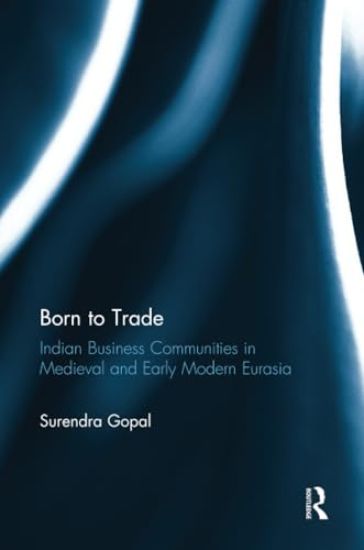
Born to Trade

Born to Trade

Surendra Gopal

TAYLOR FRANCIS LTD
2024
nidottu
This pioneering work traces migration of Indian traders to Russia, Iran, West Asia and South-East Asia in medieval times. Four essays throw light on the activities of the Indian business community in Russia. Generally Indians came to Russia via Iran. There they took a boat, crossed the Caspian Sea and reached the Russian port of Astrakhan. Indian visitors included Hindus (including Jains), Muslims, Christians, Parsis among others.Hindus constituted the largest segment of the migrants. They became an object of local curiosity because of their rituals and social practices. They also became an object of jealousy. Indians did not enjoy political and administrative support as the European East India Companies did. Occasionally local rulers consulted them and sought their advice.Three essays deal with Indian traders in Iran in the seventeenth and eighteenth centuries. One essay discusses trade between India and Iran in the fifteenth century. There are papers discussing activities of Indian traders in West Asia, Yemen and South East Asia in the seventeenth and eighteenth centuries. The conclusion focuses on Indian merchants and the Indian Ocean in medieval times. The author concludes that Indian traders did not enjoy political and royal support, essential for success. He also affirms that crossing the seas did not lead to social boycott by their caste-men. This taboo came much later, probably with the advent of British rule in the nineteenth century.
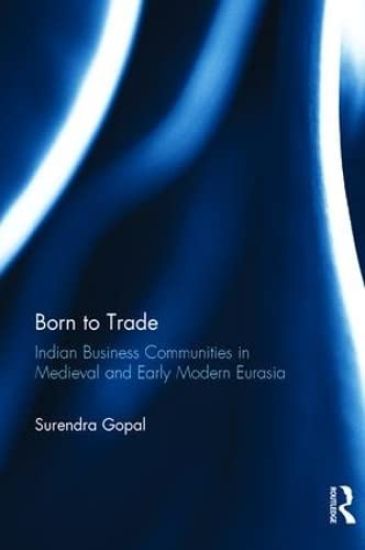
Born to Trade

Born to Trade

Surendra Gopal

Routledge
2016
sidottu
This pioneering work traces migration of Indian traders to Russia, Iran, West Asia and South-East Asia in medieval times. Four essays throw light on the activities of the Indian business community in Russia. Generally Indians came to Russia via Iran. There they took a boat, crossed the Caspian Sea and reached the Russian port of Astrakhan. Indian visitors included Hindus (including Jains), Muslims, Christians, Parsis among others.Hindus constituted the largest segment of the migrants. They became an object of local curiosity because of their rituals and social practices. They also became an object of jealousy. Indians did not enjoy political and administrative support as the European East India Companies did. Occasionally local rulers consulted them and sought their advice.Three essays deal with Indian traders in Iran in the seventeenth and eighteenth centuries. One essay discusses trade between India and Iran in the fifteenth century. There are papers discussing activities of Indian traders in West Asia, Yemen and South East Asia in the seventeenth and eighteenth centuries. The conclusion focuses on Indian merchants and the Indian Ocean in medieval times. The author concludes that Indian traders did not enjoy political and royal support, essential for success. He also affirms that crossing the seas did not lead to social boycott by their caste-men. This taboo came much later, probably with the advent of British rule in the nineteenth century.
Mapping Bihar

Mapping Bihar

Surendra Gopal

Routledge
2017
sidottu
Written Indian history begins in sixth century bc with the history of Magadh (present day states of Jharkhand and Bihar). For almost a millennium Magadh dominated Indian history. The situation changed when Islamicized Turks entered India. The Mughals who followed the Turks ensured Bihar's economic prosperity; Patna became the most important centre of Himalayan trade. European Companies visited Patna to obtain a variety of goods, local as well as Himalayan. In the mid-eighteenth century Bihar and Bengal fell into the hands of Englishmen. A new chapter began.At the turn of the nineteenth century, Industrial Revolution began in Britain.The East India Company stopped trading in textiles. Instead, they promoted cotton cultivation in order that cotton was available to British textile factories. They promoted cultivation of indigo, needed by the textile manufacturing factories coming up. Land revenue source of the government's prime income, was collected even when agricultural output suffered massively. The government took deep interest in opium production but paid the cultivators less than the market price. British interference in agricultural matters caused wide spread agrarian distress.Indian society encountered many socio-religious reform movements. Raja Rammohun Roy and Swami Dayanand were major proponents of the new order. Stress was laid on gender equality, women empowerment and the modern system of education. Institutions for training doctors, engineers and scientists were opened. As time progressed, by and large, Biharis accepted the changes. Eventually social reform movements turned into the freedom movement in which Biharis played a leading role.This comprehensive volume is indispensable for scholars working on Bihar and modern and medieval South Asia.Please note: Taylor & Francis does not sell or distribute the Hardback in India, Pakistan, Nepal, Bhutan, Bangladesh and Sri Lanka