
Kirjahaku
Etsi kirjoja tekijän nimen, kirjan nimen tai ISBN:n perusteella.
7 kirjaa tekijältä Susan Symons
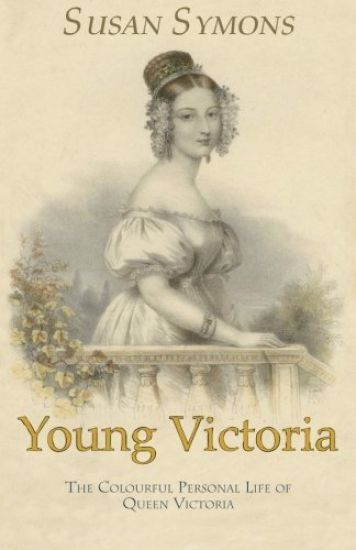
2019 is the two hundred year anniversary of the birth of Queen Victoria. 'Young Victoria' is the first part of 'The Colourful Personal Life of Queen Victoria'. It covers the somewhat bizarre circumstances of Victoria's birth, when there was an undignified race to produce the next heir to the British throne; her lonely childhood under a tough regime which forged her resolute character; and the national adulation when she succeeded as a teenager. It ends with how she fell in love with Albert. 'Young Victoria' focuses on the story of Victoria as a woman - her personal life, the events that formed her character, and the relationships that were important to her. It uses some of her own words from her journal, to help tell the story and is beautifully illustrated throughout with portraits and other memorabilia from the author's collection.This short book is intended to be light-hearted and easy-to-read and should appeal to anyone who likes history, or follows royalty, or is interested in people's personal stories.The overwhelming public image of Queen Victoria is of the elderly queen towards the end of her reign. She is serious and unsmiling, even gloomy; more of a symbol than a person. But Victoria has a colourful life story which is full of drama, intrigue and surprises. She came to the throne as a pretty eighteen-year-old; her public image was very different at the start of her reign than at the end. 'Young Victoria' is followed by two more books - 'Victoria and Albert', covering her marriage to and relationship with Albert, when they changed the image of the royal family and founded a dynasty; and 'Victoria the Widowed Queen', about the long years of her widowhood after Albert's early death, when she became the doyenne of sovereigns and the grandmamma of Europe.
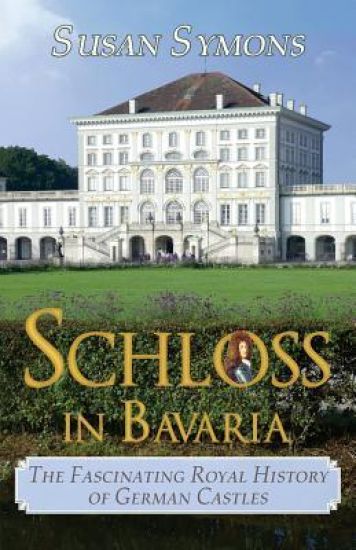
Schloss is the German word for castle or palace. This book visits twenty-five beautiful schlosser (the plural of schloss) in Bavaria and tells the colourful stories of historical royal characters connected with them. The history of Bavaria is closely linked with the glamourous Wittelsbach royal family, who produced such well-known celebrities as Mad King Ludwig II. This book tells their enthralling story. It also discovers other Bavarian dynasties - which got fabulously rich from inventing the postal service; specialised in being elected as church princes; or whose smart marriage policy brought them numerous thrones... Bavaria is a beautiful part of Germany and a real joy to visit. In the days of the monarchy, Bavaria was a kaleidoscope of sovereign territories ruled by dukes, princes, and bishops. From Franconia in the north to the Alps in the south, the Bavarian countryside teems with their fascinating castles and palaces. The stories include the prince who sold his country and its people to Prussia; the princess who was expected to marry an emperor until he saw her little sister; the king of Bavaria who reigned the longest but who hardly ever appears in the history books; and the duke who has been called the Bavarian Henry VIII. The fairy-tale castles built by Ludwig II are visited by tourists from around the world, but other schlosser rarely see an English speaker. This book might encourage you to get off the beaten track and see these wonderful places yourself. Schloss in Bavaria is the author's fourth book about The Fascinating Royal History of German Castles. With over 100 illustrations and 14 family trees; it should appeal to anyone who likes history, sightseeing, or is interested in people's personal stories. The author's first three books, called Schloss, Schloss II, and Schloss III, are also available on Amazon.
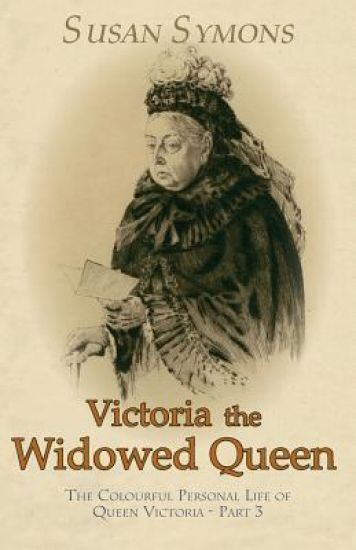
The marriage of Victoria and Albert is one of the most famous relationships in history. But Albert died in middle age and Victoria spent twice as long as his widow than as his wife. This book is about Victoria's widowhood when she became the longest serving European sovereign and the matriarch of a huge clan. The book is beautifully illustrated throughout with portraits from the author's collection and uses some of Victoria's own words from her journal and letters to help tell the story. The first years of Victoria's widowhood were the least successful of her reign. She refused to appear in public and her popularity suffered. She gradually emerged from self-imposed gloom but her seclusion in remote homes, far from London, fuelled scandalous rumours about her private life. The story of Victoria's widowhood includes the men in her life. At only forty-two, the queen was a desirable catch but never considered another foray into the royal marriage market. She formed a close relationship with a male servant, flirted with her prime minister, and became very fond of a handsome son-in-law. Late in life she had a puzzling relationship with an Indian young man. By the end of her reign, Victoria was an institution and the icon of the age; the symbol of Britain's superpower status and monarch of two hundred million subjects in an empire that stretched around the globe. She is the British monarch in history whose name everyone knows. Victoria the Widowed Queen is the last of three books about The Colourful Personal Life of Queen Victoria. They focus on Victoria as a woman - her personal life, the events that formed her character, and the relationships that were important to her. Young Victoria covers her early years including the difficult childhood that formed her character and how she came to the throne aged only eighteen. Victoria & Albert looks at her marriage to Albert and how she balanced the very different roles of sovereign and Victorian wife and mother.
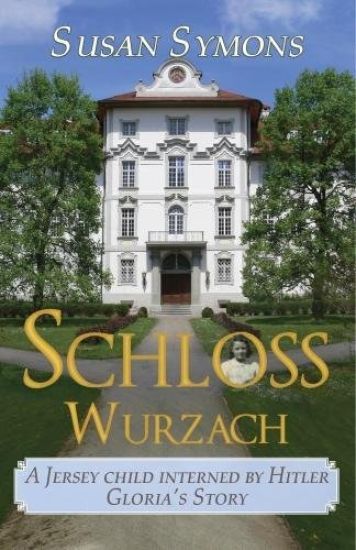
In the early hours of 16 September 1942 there was a knock on the door of ten-year-old Gloria Webber's home in Jersey. The caller was a local official with bad news. Gloria, her parents and four younger children were all on a list of Jersey civilians to be deported to Germany on the direct orders of Hitler. Gloria and her siblings, with hundreds of other Jersey children, spent the next years of their childhood interned in an old castle in the south of Germany, called Schloss (the German for castle) Wurzach. The island of Jersey lies off the coast of Normandy and could not be defended after the fall of France. The Germans invaded and occupied the island in June 1940. The deportation of British civilians from Jersey by the Germans is a little-known part of World War II history. The deported Jersey islanders were given only hours to close up their homes and organise their affairs and were allowed to take only what they could carry. After a gruelling three-day rail journey across France and Luxemburg to the far reaches of south Germany near the Austrian border, and a short stay in an old barracks, they arrived at their internment camp. Schloss Wurzach was a grand baroque palace built in the eighteenth century by one of Germany's noble families. But by World War II it had fallen on hard times and was used as a prison camp. The schloss was cold, damp, in poor condition, and very dirty. The internees were horrified by what they found. No arrangements had been made to accommodate women and children and sanitation was inadequate. Gloria's mother had the herculean task of keeping her young family fed, clothed, clean, healthy and happily occupied, when everything was scarce and with absolutely no modern conveniences. Twelve of the islanders died in Wurzach during their detention and are buried in the town; others suffered fractured lives. This short book recalls Gloria's childhood experience and is illustrated with vivid pictures of camp life painted by her father during their confinement using paints from Red Cross parcels. It also describes how she and other internees returned to Germany in later life to celebrate their liberation with the people of Wurzach, showing there can be reconciliation and friendship between former enemies.