Kirjojen hintavertailu. Mukana 11 717 486 kirjaa ja 12 kauppaa.

Kirjahaku

Etsi kirjoja tekijän nimen, kirjan nimen tai ISBN:n perusteella.

4 kirjaa tekijältä Susan Wabuda

Thomas Cranmer

Thomas Cranmer

Susan Wabuda

Routledge
2017
sidottu
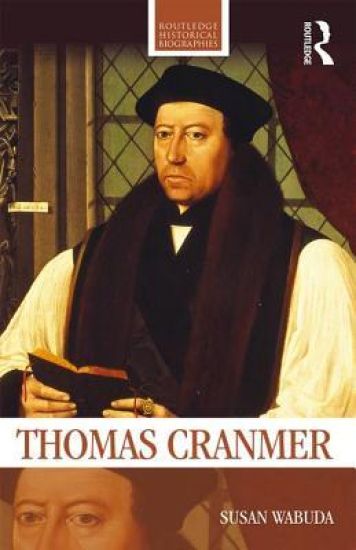
Thomas Cranmer’s place in English history is firmly established, yet the complexities of his character have remained obscure and he continues to be one of the most problematic figures of the Tudor period. Susan Wabuda’s biography sheds fresh light not only on the private Cranmer, but also on the qualities that enabled him to master a shifting political landscape and to build a new English Church. Athletic by nature, Cranmer enjoyed hunting and he was a keen collector of books. He was blessed with several lifelong friendships and twice risked his career by marrying the women he loved. A skilled debater and a deft politician, Cranmer sought to balance his long-term plans for the Church against the immediate demands of survival at court. Obedient at all times, yet never entirely trustworthy, he had to reconcile the will of his God with the will of the monarch he served. For too long, Cranmer’s legacy has overshadowed the life of the man himself, but this new biography enriches and extends our understanding of both. Accessible and informative, it will be essential reading for students and scholars of the English Reformation and the Tudor age.
Thomas Cranmer

Thomas Cranmer

Susan Wabuda

Routledge
2017
nidottu
Thomas Cranmer’s place in English history is firmly established, yet the complexities of his character have remained obscure and he continues to be one of the most problematic figures of the Tudor period. Susan Wabuda’s biography sheds fresh light not only on the private Cranmer, but also on the qualities that enabled him to master a shifting political landscape and to build a new English Church. Athletic by nature, Cranmer enjoyed hunting and he was a keen collector of books. He was blessed with several lifelong friendships and twice risked his career by marrying the women he loved. A skilled debater and a deft politician, Cranmer sought to balance his long-term plans for the Church against the immediate demands of survival at court. Obedient at all times, yet never entirely trustworthy, he had to reconcile the will of his God with the will of the monarch he served. For too long, Cranmer’s legacy has overshadowed the life of the man himself, but this new biography enriches and extends our understanding of both. Accessible and informative, it will be essential reading for students and scholars of the English Reformation and the Tudor age.
Preaching during the English Reformation

Preaching during the English Reformation

Susan Wabuda

Cambridge University Press
2008
pokkari
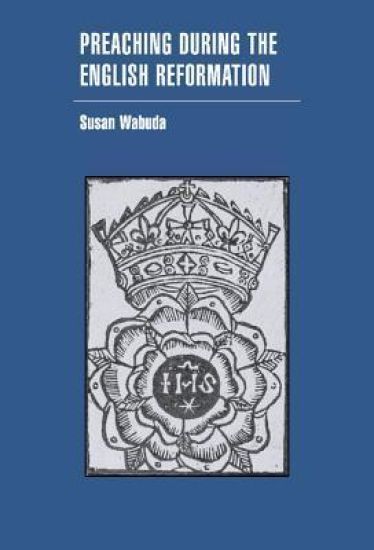
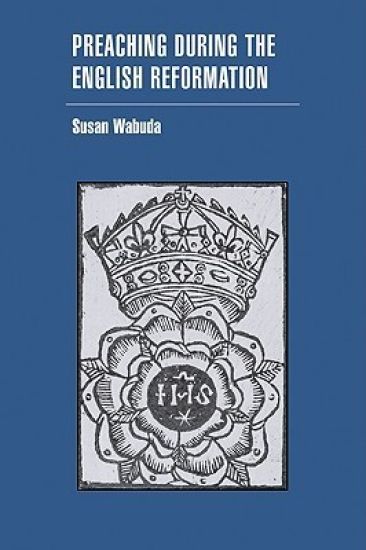
This is a study of the religious culture of sixteenth-century England, centred around preaching, and is concerned with competing forms of evangelism between humanists of the Roman Catholic Church and emerging forms of Protestantism. More than any other authority, Erasmus refashioned the ideal of the preacher. Protestant reformers adopted 'preaching Christ' as their strategy to promote the doctrine of justification by faith. The apostolic traditions of the preaching chantries provided standards that evangelical reformers used to supplant the mendicant friars in England. The late medieval cult of the Holy Name of Jesus is explored: the pervasive iconography of its symbol 'IHS' became one of the attributes of moderate Protestant belief. The book also offers fresh perspectives on fifteenth- and sixteenth-century figures on every side of the doctrinal divide, including John Rotheram, John Colet, Hugh Latimer and Anne Boleyn.
Preaching during the English Reformation

Preaching during the English Reformation

Susan Wabuda

Cambridge University Press
2002
sidottu
This is a study of the religious culture of sixteenth-century England, centred around preaching, and is concerned with competing forms of evangelism between humanists of the Roman Catholic Church and emerging forms of Protestantism. More than any other authority, Erasmus refashioned the ideal of the preacher. Protestant reformers adopted 'preaching Christ' as their strategy to promote the doctrine of justification by faith. The apostolic traditions of the preaching chantries provided standards that evangelical reformers used to supplant the mendicant friars in England. The late medieval cult of the Holy Name of Jesus is explored: the pervasive iconography of its symbol 'IHS' became one of the attributes of moderate Protestant belief. The book also offers fresh perspectives on fifteenth- and sixteenth-century figures on every side of the doctrinal divide, including John Rotheram, John Colet, Hugh Latimer and Anne Boleyn.