Kirjojen hintavertailu. Mukana 11 699 587 kirjaa ja 12 kauppaa.

Kirjahaku

Etsi kirjoja tekijän nimen, kirjan nimen tai ISBN:n perusteella.

7 kirjaa tekijältä Susanne Barth

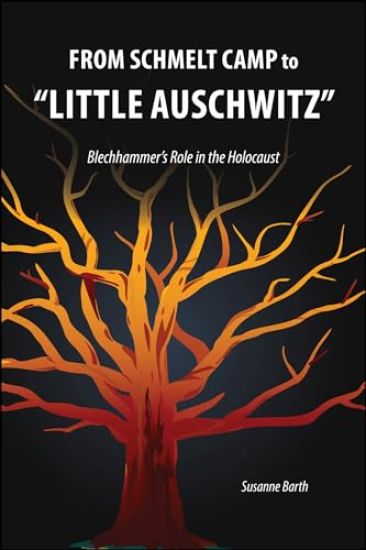
From Schmelt Camp to "Little Auschwitz

From Schmelt Camp to "Little Auschwitz

Susanne Barth

PURDUE UNIVERSITY PRESS
2024
sidottu
From Schmelt Camp to "Little Auschwitz": Blechhammer's Role in the Holocaust is the first in-depth study of the second largest Auschwitz subcamp, Blechhammer (Blachownia Slaska), and its lesser known yet significant prehistory as a so-called Schmelt camp, a forced labor camp for Jews operating outside the concentration camp system. Drawing on previously untapped archival documents and a wide array of survivor testimonies, the book provides novel findings on Blechhammer's role in the Holocaust in Eastern Upper Silesia, a formerly Polish territory annexed to Nazi Germany in the fall of 1939, where 120,000 Jews lived.Established in the spring of 1942 to construct a synthetic fuel plant, the camp's abhorrent living conditions led to the death of thousands of young Jews conscripted from the ghettos or taken off deportation convoys from Western Europe. Blechhammer was not only used for selecting parts of the Jewish ghetto population for Auschwitz, but also for killing pregnant women and babies. As an Auschwitz satellite, Blechhammer became the scene of brutal executions and massacres of prisoners refusing to go on the Death March. This microhistory unearths the far-reaching complicity of often overlooked perpetrators, such as the industrialists, factory guards, policemen, and "ordinary" civilians in these atrocities, but more importantly, it focuses on the victims, reconstructing the prisoners' daily life and suffering, as well as their survival strategies.
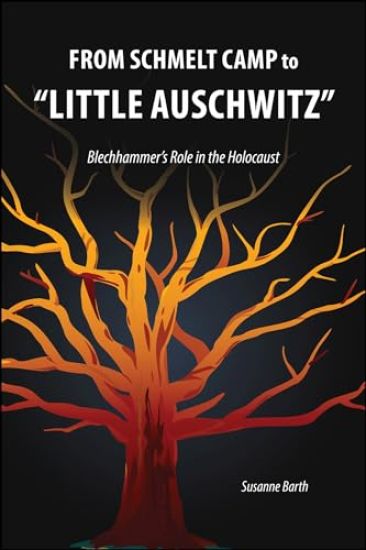
From Schmelt Camp to "Little Auschwitz

From Schmelt Camp to "Little Auschwitz

Susanne Barth

PURDUE UNIVERSITY PRESS
2024
nidottu
From Schmelt Camp to "Little Auschwitz": Blechhammer's Role in the Holocaust is the first in-depth study of the second largest Auschwitz subcamp, Blechhammer (Blachownia Slaska), and its lesser known yet significant prehistory as a so-called Schmelt camp, a forced labor camp for Jews operating outside the concentration camp system. Drawing on previously untapped archival documents and a wide array of survivor testimonies, the book provides novel findings on Blechhammer's role in the Holocaust in Eastern Upper Silesia, a formerly Polish territory annexed to Nazi Germany in the fall of 1939, where 120,000 Jews lived.Established in the spring of 1942 to construct a synthetic fuel plant, the camp's abhorrent living conditions led to the death of thousands of young Jews conscripted from the ghettos or taken off deportation convoys from Western Europe. Blechhammer was not only used for selecting parts of the Jewish ghetto population for Auschwitz, but also for killing pregnant women and babies. As an Auschwitz satellite, Blechhammer became the scene of brutal executions and massacres of prisoners refusing to go on the Death March. This microhistory unearths the far-reaching complicity of often overlooked perpetrators, such as the industrialists, factory guards, policemen, and "ordinary" civilians in these atrocities, but more importantly, it focuses on the victims, reconstructing the prisoners' daily life and suffering, as well as their survival strategies.

Tätige Nächstenliebe in Werk und Wirken Gregors des Großen
Gregors Pontifikat im ausgehenden 6. Jahrhundert fiel in eine Zeit kirchlicher und politischer Krisen. Durch die schwindende staatliche Unterstützung in Rom und Italien musste zunehmend die Kirche Verantwortung für die Nahrungsmittelverteilung, Sicherheit, Armenfürsorge und andere ehemals staatliche Aufgaben übernehmen.Susanne Barth zeigt, dass diese Herausforderung in Gregors Schriften wahrzunehmen ist, wenn sie konsequent vor ihrem historischen Hintergrund gelesen werden. Insbesondere die Neukontextualisierung der "Moralia in Iob", die hier erstmals im Umfeld ihrer Endredaktion betrachtet werden, zeigt auf, wie stark Gregors Theologie durch seine persönliche Erfahrung geprägt ist. Der Dienst am Nächsten erlangt in seinem Denken eine immer zentralere Stellung. Die christliche Gemeinde beschreibt er als reziproke Dienstgemeinschaft, in der jedes Glied auf je eigene Weise Hilfe leistet, ebenso aber auf die Unterstützung anderer angewiesen ist. Schrittweise entwickelt sich die utilitas proximi zum maßgeblichen Kriterium für jegliches ethische Handeln, das auch Gregors eigenes Wirken bestimmte.
Wanderlehrer, Redner, Vortragende

Wanderlehrer, Redner, Vortragende

Susanne Barth

Springer vs
2020
nidottu
Seit dem letzten Drittel des 19. Jahrhunderts nimmt das gesellschaftliche Interesse an Bildung und Wissensaneignung im Erwachsenenalter deutlich zu. Susanne Barth untersucht am Beispiel der Wanderlehrer und ihrer Vortragstätigkeit die Planung, Organisation und Durchführung der – von den Zeitgenossen Volksbildung genannten – Erwachsenenbildung im Deutschen Kaiserreich. Sie zeigt die Entwicklung und Etablierung der Wanderlehrer als mehrheitlich nebenberuflich tätige Erwachsenenbildner auf und rekonstruiert den Einsatz und die Verwendung der Vermittlungsmethode „Vortrag“ als essentielles Bildungsmittel der Erwachsenenbildung.