Kirjojen hintavertailu. Mukana 12 016 292 kirjaa ja 12 kauppaa.

Kirjahaku

Etsi kirjoja tekijän nimen, kirjan nimen tai ISBN:n perusteella.

4 kirjaa tekijältä Tabitha Sparks

The Doctor in the Victorian Novel

The Doctor in the Victorian Novel

Tabitha Sparks

Ashgate Publishing Limited
2009
sidottu
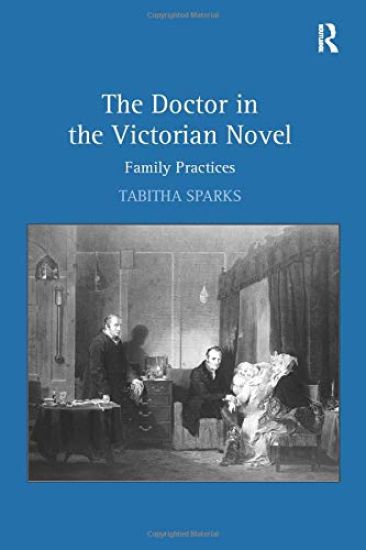
With the character of the doctor as her subject, Tabitha Sparks follows the decline of the marriage plot in the Victorian novel. As Victorians came to terms with the scientific revolution in medicine of the mid-to-late nineteenth century, the novel's progressive distance from the conventions of the marriage plot can be indexed through a rising identification of the doctor with scientific empiricism. A narrative's stance towards scientific reason, Sparks argues, is revealed by the fictional doctor's relationship to the marriage plot. Thus, novels that feature romantic doctors almost invariably deny the authority of empiricism, as is the case in George MacDonald's Adela Cathcart. In contrast, works such as Wilkie Collins's Heart and Science, which highlight clinically minded or even sinister doctors, uphold the determining logic of science and, in turn, threaten the novel's romantic plot. By focusing on the figure of the doctor rather than on a scientific theme or medical field, Sparks emulates the Victorian novel's personalization of tropes and belief systems, using the realism associated with the doctor to chart the sustainability of the Victorian novel's central imaginative structure, the marriage plot. As the doctors Sparks examines increasingly stand in for the encroachment of empirical knowledge on a morally formulated artistic genre, their alienation from the marriage plot and its interrelated decline succinctly herald the end of the Victorian era and the beginning of Modernism.
Victorian Metafiction

Victorian Metafiction

Tabitha Sparks

UNIVERSITY OF VIRGINIA PRESS
2022
sidottu
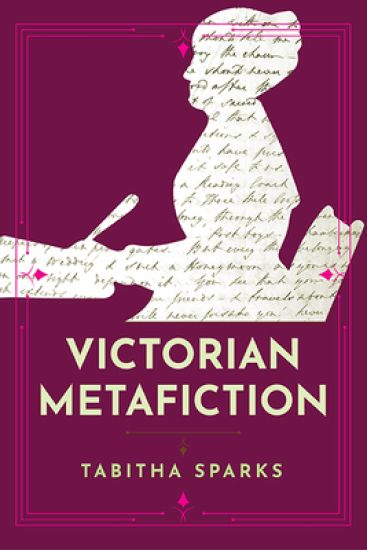
Critics agree in the abstract that "metafiction" refers to any novel that draws attention to its own fictional construction, but metafiction has been largely associated with the postmodern era. In this innovative new book Tabitha Sparks identifies a sustained pattern of metafiction in the Victorian novel that illuminates the art and intentions of its female practitioners.From the mid-nineteenth century through the fin de siècle, novels by Victorian women such as Charlotte Brontë, Rhoda Broughton, Charlotte Riddell, Eliza Lynn Linton, and several New Women authors share a common but underexamined trope: the fictional characterization of the woman novelist or autobiographer. Victorian Metafiction reveals how these novels systemically dispute the assumptions that women wrote primarily about their emotions or were restricted to trivial, sentimental plots.Countering an established tradition that has read novels by women writers as heavily autobiographical and confessional, Sparks identifies the literary technique of metafiction in numerous novels by women writers and argues that women used metafictional self-consciousness to draw the reader’s attention to the book and not the novelist. By dislodging the narrative from these cultural prescriptions, Victorian Metafiction effectively argues how these women novelists presented the business and art of writing as the subject of the novel and wrote metafiction in order to establish their artistic integrity and professional authority.
Victorian Metafiction

Victorian Metafiction

Tabitha Sparks

UNIVERSITY OF VIRGINIA PRESS
2022
pokkari
Critics agree in the abstract that "metafiction" refers to any novel that draws attention to its own fictional construction, but metafiction has been largely associated with the postmodern era. In this innovative new book Tabitha Sparks identifies a sustained pattern of metafiction in the Victorian novel that illuminates the art and intentions of its female practitioners.From the mid-nineteenth century through the fin de siècle, novels by Victorian women such as Charlotte Brontë, Rhoda Broughton, Charlotte Riddell, Eliza Lynn Linton, and several New Women authors share a common but underexamined trope: the fictional characterization of the woman novelist or autobiographer. Victorian Metafiction reveals how these novels systemically dispute the assumptions that women wrote primarily about their emotions or were restricted to trivial, sentimental plots.Countering an established tradition that has read novels by women writers as heavily autobiographical and confessional, Sparks identifies the literary technique of metafiction in numerous novels by women writers and argues that women used metafictional self-consciousness to draw the reader’s attention to the book and not the novelist. By dislodging the narrative from these cultural prescriptions, Victorian Metafiction effectively argues how these women novelists presented the business and art of writing as the subject of the novel and wrote metafiction in order to establish their artistic integrity and professional authority.
The Doctor in the Victorian Novel

The Doctor in the Victorian Novel

Tabitha Sparks

Routledge
2016
nidottu
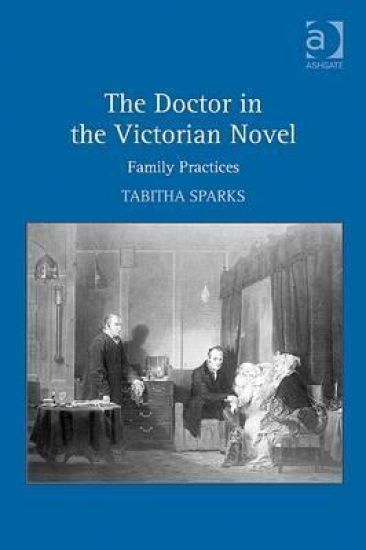
With the character of the doctor as her subject, Tabitha Sparks follows the decline of the marriage plot in the Victorian novel. As Victorians came to terms with the scientific revolution in medicine of the mid-to-late nineteenth century, the novel's progressive distance from the conventions of the marriage plot can be indexed through a rising identification of the doctor with scientific empiricism. A narrative's stance towards scientific reason, Sparks argues, is revealed by the fictional doctor's relationship to the marriage plot. Thus, novels that feature romantic doctors almost invariably deny the authority of empiricism, as is the case in George MacDonald's Adela Cathcart. In contrast, works such as Wilkie Collins's Heart and Science, which highlight clinically minded or even sinister doctors, uphold the determining logic of science and, in turn, threaten the novel's romantic plot. By focusing on the figure of the doctor rather than on a scientific theme or medical field, Sparks emulates the Victorian novel's personalization of tropes and belief systems, using the realism associated with the doctor to chart the sustainability of the Victorian novel's central imaginative structure, the marriage plot. As the doctors Sparks examines increasingly stand in for the encroachment of empirical knowledge on a morally formulated artistic genre, their alienation from the marriage plot and its interrelated decline succinctly herald the end of the Victorian era and the beginning of Modernism.