Kirjojen hintavertailu. Mukana 11 244 527 kirjaa ja 12 kauppaa.

Kirjahaku

Etsi kirjoja tekijän nimen, kirjan nimen tai ISBN:n perusteella.

4 kirjaa tekijältä Ted A. Smith

The New Measures

The New Measures

Ted A. Smith

Cambridge University Press
2007
sidottu
The New Measures: A Theological History of Democratic Practice brings thick cultural history to contemporary debates about religion and democracy. Combining histories of performance, space, institutions, and ideas, this 2007 book tells the story of the 'new measures' that circulated in the religious revivals of the 1820s and '30s and traces the role of these practices in the development of democratic culture in the United States. The book borrows resources from Walter Benjamin and Theodor Adorno to remember the new measures from an eschatological point of view. That eschatological perspective holds together close empirical studies and explicitly theological hopes. The book's attention to detail moves it beyond abstraction and caricature to a more materialist political theology. And its eschatological hope resists narratives of progress and decline to understand American democracy as both tangled in contradiction and caught up in redemption.
Weird John Brown

Weird John Brown

Ted A. Smith

Stanford University Press
2014
sidottu
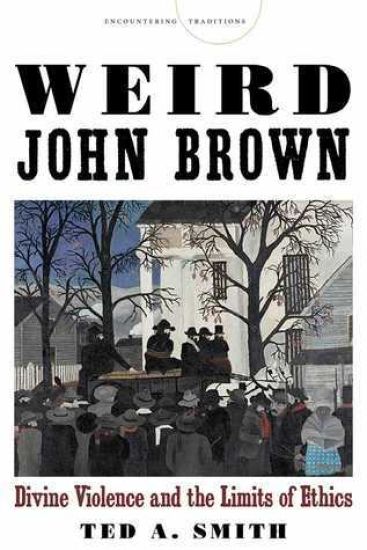
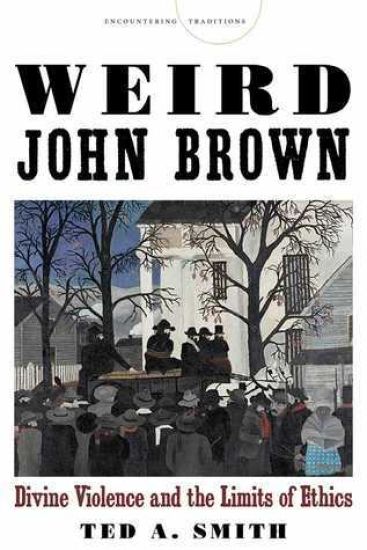
Conventional wisdom holds that attempts to combine religion and politics will produce unlimited violence. Concepts such as jihad, crusade, and sacrifice need to be rooted out, the story goes, for the sake of more bounded and secular understandings of violence. Ted Smith upends this dominant view, drawing on Walter Benjamin, Giorgio Agamben, and others to trace the ways that seemingly secular politics produce their own forms of violence without limit. He brings this argument to life—and digs deep into the American political imagination—through a string of surprising reflections on John Brown, the nineteenth-century abolitionist who took up arms against the state in the name of a higher law. Smith argues that the key to limiting violence is not its separation from religion, but its connection to richer and more critical modes of religious reflection. Weird John Brown develops a negative political theology that challenges both the ways we remember American history and the ways we think about the nature, meaning, and exercise of violence.
Weird John Brown

Weird John Brown

Ted A. Smith

Stanford University Press
2014
pokkari
Conventional wisdom holds that attempts to combine religion and politics will produce unlimited violence. Concepts such as jihad, crusade, and sacrifice need to be rooted out, the story goes, for the sake of more bounded and secular understandings of violence. Ted Smith upends this dominant view, drawing on Walter Benjamin, Giorgio Agamben, and others to trace the ways that seemingly secular politics produce their own forms of violence without limit. He brings this argument to life—and digs deep into the American political imagination—through a string of surprising reflections on John Brown, the nineteenth-century abolitionist who took up arms against the state in the name of a higher law. Smith argues that the key to limiting violence is not its separation from religion, but its connection to richer and more critical modes of religious reflection. Weird John Brown develops a negative political theology that challenges both the ways we remember American history and the ways we think about the nature, meaning, and exercise of violence.
The New Measures

The New Measures

Ted A. Smith

Cambridge University Press
2012
pokkari
The New Measures: A Theological History of Democratic Practice brings thick cultural history to contemporary debates about religion and democracy. Combining histories of performance, space, institutions, and ideas, this 2007 book tells the story of the 'new measures' that circulated in the religious revivals of the 1820s and '30s and traces the role of these practices in the development of democratic culture in the United States. The book borrows resources from Walter Benjamin and Theodor Adorno to remember the new measures from an eschatological point of view. That eschatological perspective holds together close empirical studies and explicitly theological hopes. The book's attention to detail moves it beyond abstraction and caricature to a more materialist political theology. And its eschatological hope resists narratives of progress and decline to understand American democracy as both tangled in contradiction and caught up in redemption.