Kirjojen hintavertailu. Mukana 12 459 402 kirjaa ja 12 kauppaa.

Kirjahaku

Etsi kirjoja tekijän nimen, kirjan nimen tai ISBN:n perusteella.

4 kirjaa tekijältä Terence Keel

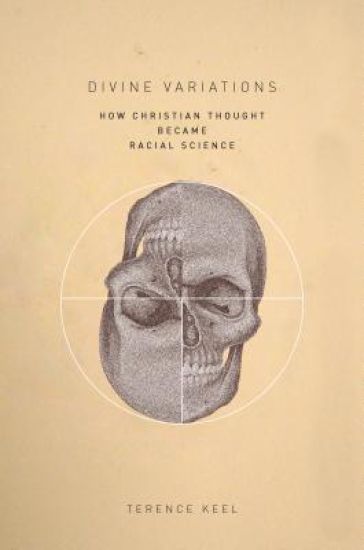
Divine Variations

Divine Variations

Terence Keel

STANFORD UNIVERSITY PRESS
2018
sidottu
Divine Variations offers a new account of the development of scientific ideas about race. Focusing on the production of scientific knowledge over the last three centuries, Terence Keel uncovers the persistent links between pre-modern Christian thought and contemporary scientific perceptions of human difference. He argues that, instead of a rupture between religion and modern biology on the question of human origins, modern scientific theories of race are, in fact, an extension of Christian intellectual history. Keel's study draws on ancient and early modern theological texts and biblical commentaries, works in Christian natural philosophy, seminal studies in ethnology and early social science, debates within twentieth-century public health research, and recent genetic analysis of population differences and ancient human DNA. From these sources, Keel demonstrates that Christian ideas about creation, ancestry, and universalism helped form the basis of modern scientific accounts of human diversity—despite the ostensible shift in modern biology towards scientific naturalism, objectivity, and value neutrality. By showing the connections between Christian thought and scientific racial thinking, this book calls into question the notion that science and religion are mutually exclusive intellectual domains and proposes that the advance of modern science did not follow a linear process of secularization.
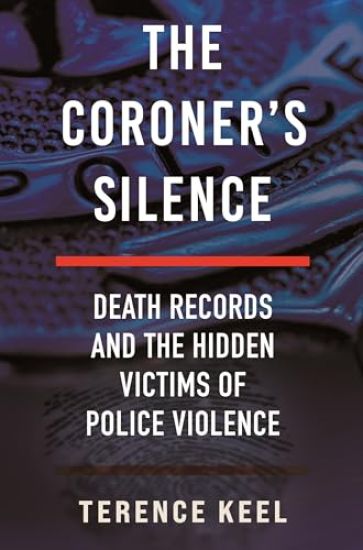
The Coroner's Silence

The Coroner's Silence

Terence Keel

BEACON PRESS
2025
sidottu
For readers of His Name Is George Floyd and Under the Skin A landmark investigation into forensic medicine that exposes the systematic concealment of state-sanctioned violence through death investigations Each year, police officers kill over 1,000 people they've sworn to protect and serve. While some cases, like George Floyd's and Sandra Bland's, capture national attention, most victims remain nameless, their stories untold. The Coroner's Silence reveals a disturbing truth about these cases: coroners and other death investigators are often complicit in obscuring the violent circumstances of in-custody deaths. Through rigorous research--including critical records analysis, public health studies, and interviews with victims' families--this book unmasks the systemic failures within forensic medicine. Terence Keel shows how incomplete autopsy reports, mishandled medical documents, and strategically lost evidence effectively shield law enforcement from accountability. The Coroner's Silence uncovers how the current system of death investigation operates as a mechanism of institutional safeguarding. By highlighting the structural powerlessness of coroners and their disconnection from the communities most affected by police violence, Keel demonstrates how bureaucratic processes can render human suffering invisible. True accountability requires more than procedural reform. It demands a fundamental reimagining of how we investigate, document, and understand deaths at the hands of state institutions. The Coroner's Silence is a crucial intervention that challenges us to confront the deeply ingrained mechanisms that perpetuate systemic violence.
Divine Variations

Divine Variations

Terence Keel

Stanford University Press
2019
pokkari
Divine Variations offers a new account of the development of scientific ideas about race. Focusing on the production of scientific knowledge over the last three centuries, Terence Keel uncovers the persistent links between pre-modern Christian thought and contemporary scientific perceptions of human difference. He argues that, instead of a rupture between religion and modern biology on the question of human origins, modern scientific theories of race are, in fact, an extension of Christian intellectual history. Keel's study draws on ancient and early modern theological texts and biblical commentaries, works in Christian natural philosophy, seminal studies in ethnology and early social science, debates within twentieth-century public health research, and recent genetic analysis of population differences and ancient human DNA. From these sources, Keel demonstrates that Christian ideas about creation, ancestry, and universalism helped form the basis of modern scientific accounts of human diversity—despite the ostensible shift in modern biology towards scientific naturalism, objectivity, and value neutrality. By showing the connections between Christian thought and scientific racial thinking, this book calls into question the notion that science and religion are mutually exclusive intellectual domains and proposes that the advance of modern science did not follow a linear process of secularization.
The Coroner's Silence: Death Records and the Hidden Victims of Police Violence
For readers of His Name Is George Floyd and Under the Skin A landmark investigation into forensic medicine that exposes the systematic concealment of state-sanctioned violence through death investigations Each year, police officers kill over 1,000 people they've sworn to protect and serve. While some cases, like George Floyd's and Sandra Bland's, capture national attention, most victims remain nameless, their stories untold. The Coroner's Silence reveals a disturbing truth about these cases: coroners and other death investigators are often complicit in obscuring the violent circumstances of in-custody deaths. Through rigorous research--including critical records analysis, public health studies, and interviews with victims' families--this book unmasks the systemic failures within forensic medicine. Terence Keel shows how incomplete autopsy reports, mishandled medical documents, and strategically lost evidence effectively shield law enforcement from accountability. The Coroner's Silence uncovers how the current system of death investigation operates as a mechanism of institutional safeguarding. By highlighting the structural powerlessness of coroners and their disconnection from the communities most affected by police violence, Keel demonstrates how bureaucratic processes can render human suffering invisible. True accountability requires more than procedural reform. It demands a fundamental reimagining of how we investigate, document, and understand deaths at the hands of state institutions. The Coroner's Silence is a crucial intervention that challenges us to confront the deeply ingrained mechanisms that perpetuate systemic violence.