Kirjojen hintavertailu. Mukana 11 244 527 kirjaa ja 12 kauppaa.

Kirjahaku

Etsi kirjoja tekijän nimen, kirjan nimen tai ISBN:n perusteella.

4 kirjaa tekijältä Tetsuo Yanagi

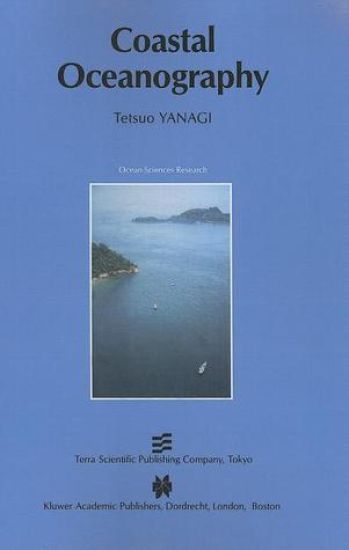
Coastal Oceanography

Coastal Oceanography

Tetsuo Yanagi

Springer
2000
sidottu
A coastal sea area usually indicates a sea area between a continental shelf break with a water depth of about 200 m and the land shore. About 70% of global fish resources spend part of their life cycle in the coastal seas, which accounts for 90% of marine biomass yield. Freshwater and nutrients from the land have a great influence on the coastal seas, especially since more than half the human population lives within 100 km of a coast. Chemical reactions occur there rapidly between substances from the land as they encounter substances from the ocean. In terms of physics, a coastal sea acts as a boundary layer and kinetic energy is actively exchanged there. But if coastal oceanography were to be summed up in a single sentence, it would be `the study that quantitatively makes clear the material transport in the coastal sea area'. Because the physical, chemical and biological processes relate to the material transport in the sea, it can be said the coastal oceanography is a genuinely interdisciplinary study. This book clarifies the quantitative material transport processes in the coastal sea area, mainly from a physical viewpoint.
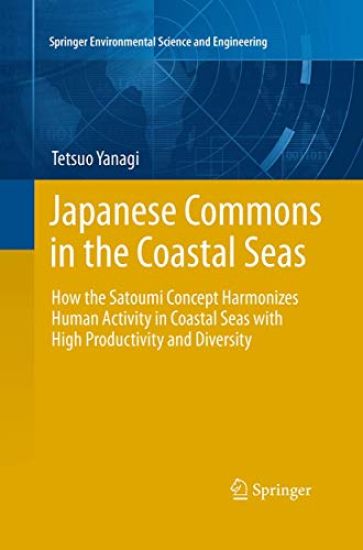
Japanese Commons in the Coastal Seas

Japanese Commons in the Coastal Seas

Tetsuo Yanagi

Springer Verlag, Japan
2012
sidottu
The author proposed the satoumi concept, analogous to the satoyama concept on land, as “coastal sea with high biodiversity and productivity in harmony with human interaction” in 1998. The concept for environmental conservation in the coastal seas has been widely accepted and was included in the Japanese national policy of “Strategy for Establishment of an Environmental Nation” in 2007. This book is a translation of the author’s Japanese book (2010) in response to concerns and questions about satoumi, including: Does biodiversity increase as a result of human interaction in coastal seas? Do the economics of fishing villages need to be considered in detail? What legal support is necessary for the creation of satoumi? Is there a relation between the concepts of God and Nature in satoumi? What is the relationship between fishermen and city dwellers? Chapter 1 presents the basic concept of satoumi. In Chapter 2 the relation between biodiversity and human interaction, economic problems related to satoumi, legal support for satoumi creation, satoumi from the point of view of landscape ecology, and the relation between society and science with regard to the satoumi movement are discussed. In Chapter 3 examples of satoumi creation in Japan are presented, and in Chapter 4 the overseas dissemination of the satoumi concept is introduced, with Chapter 5 providing the conclusion. Chapter 1 presents the basic concept of satoumi. In Chapter 2 the relation between biodiversity and human interaction, economic problems related to satoumi, legal support for satoumi creation, satoumi from the point of view of landscape ecology, and the relation between society and science with regard to the satoumi movement are discussed. In Chapter 3 examples of satoumi creation in Japan are presented, and in Chapter 4 the overseas dissemination of the satoumi concept isintroduced, with Chapter 5 providing the conclusion.
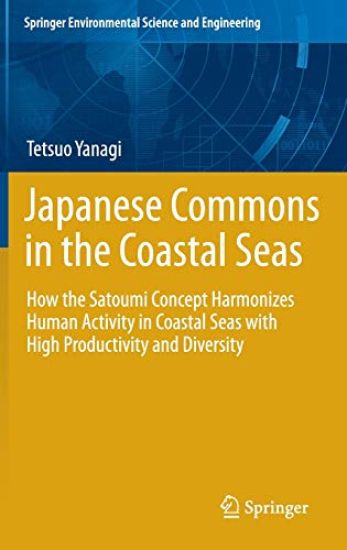
Japanese Commons in the Coastal Seas

Japanese Commons in the Coastal Seas

Tetsuo Yanagi

Springer Verlag, Japan
2016
nidottu
The author proposed the satoumi concept, analogous to the satoyama concept on land, as “coastal sea with high biodiversity and productivity in harmony with human interaction” in 1998. The concept for environmental conservation in the coastal seas has been widely accepted and was included in the Japanese national policy of “Strategy for Establishment of an Environmental Nation” in 2007. This book is a translation of the author’s Japanese book (2010) in response to concerns and questions about satoumi, including: Does biodiversity increase as a result of human interaction in coastal seas? Do the economics of fishing villages need to be considered in detail? What legal support is necessary for the creation of satoumi? Is there a relation between the concepts of God and Nature in satoumi? What is the relationship between fishermen and city dwellers? Chapter 1 presents the basic concept of satoumi. In Chapter 2 the relation between biodiversity and human interaction, economic problems related to satoumi, legal support for satoumi creation, satoumi from the point of view of landscape ecology, and the relation between society and science with regard to the satoumi movement are discussed. In Chapter 3 examples of satoumi creation in Japan are presented, and in Chapter 4 the overseas dissemination of the satoumi concept is introduced, with Chapter 5 providing the conclusion. Chapter 1 presents the basic concept of satoumi. In Chapter 2 the relation between biodiversity and human interaction, economic problems related to satoumi, legal support for satoumi creation, satoumi from the point of view of landscape ecology, and the relation between society and science with regard to the satoumi movement are discussed. In Chapter 3 examples of satoumi creation in Japan are presented, and in Chapter 4 the overseas dissemination of the satoumi concept isintroduced, with Chapter 5 providing the conclusion.
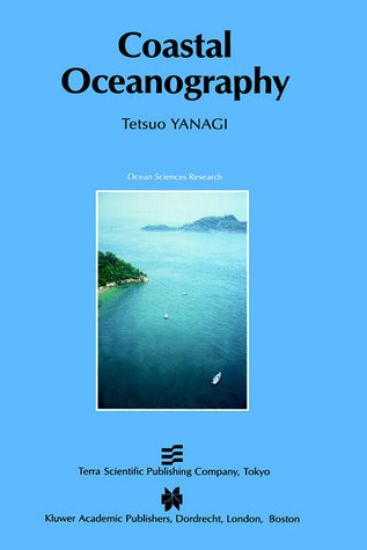
Coastal Oceanography

Coastal Oceanography

Tetsuo Yanagi

Springer
2010
nidottu
A coastal sea area usually indicates a sea area between a continental shelf break with a water depth of about 200 m and the land shore. About 70% of global fish resources spend part of their life cycle in the coastal seas, which accounts for 90% of marine biomass yield. Freshwater and nutrients from the land have a great influence on the coastal seas, especially since more than half the human population lives within 100 km of a coast. Chemical reactions occur there rapidly between substances from the land as they encounter substances from the ocean. In terms of physics, a coastal sea acts as a boundary layer and kinetic energy is actively exchanged there. But if coastal oceanography were to be summed up in a single sentence, it would be `the study that quantitatively makes clear the material transport in the coastal sea area'. Because the physical, chemical and biological processes relate to the material transport in the sea, it can be said the coastal oceanography is a genuinely interdisciplinary study. This book clarifies the quantitative material transport processes in the coastal sea area, mainly from a physical viewpoint.