Kirjojen hintavertailu. Mukana 11 699 587 kirjaa ja 12 kauppaa.

Kirjahaku

Etsi kirjoja tekijän nimen, kirjan nimen tai ISBN:n perusteella.

2 kirjaa tekijältä Theresa A. Singleton

Slavery behind the Wall

Slavery behind the Wall

Theresa A. Singleton

University Press of Florida
2016
nidottu
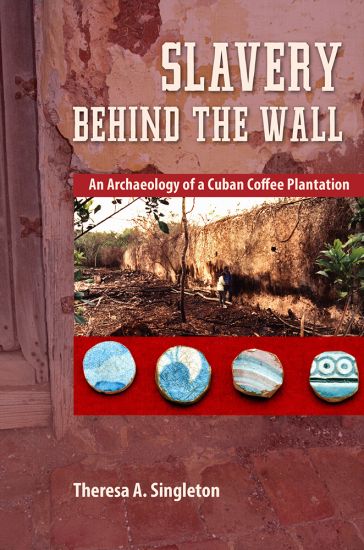
Cuba had the largest slave society of the Spanish colonial empire. At Santa Ana de Biajacas the plantation owner sequestered slaves behind a massive masonry wall. In the first archaeological investigation of a Cuban plantation by an English speaker, Theresa Singleton explores how elite Cuban planters used the built environment to impose a hierarchical social order upon slave laborers. Behind the wall, slaves reclaimed the space as their own, forming communities, building their own houses, celebrating, gambling, and even harboring slave runaways. What emerged there is not just an identity distinct from other North American and Caribbean plantations, but a unique slave culture that thrived despite a spartan lifestyle.Singleton's study provides insight into the larger historical context of the African diaspora, global patterns of enslavement, and the development of Cuba as an integral member of the larger Atlantic World.
Slavery Behind the Wall

Slavery Behind the Wall

Theresa A. Singleton

University Press of Florida
2015
nidottu
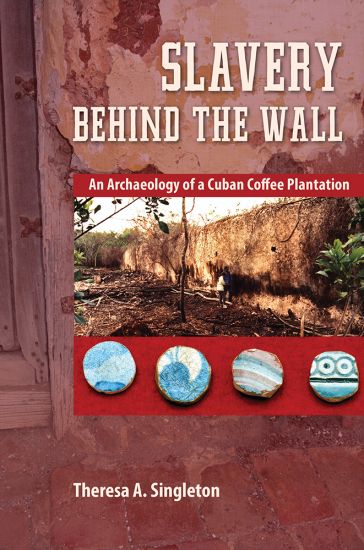
Cuba had the largest slave society of the Spanish colonial empire and thus the most plantations. The lack of archaeological data for interpreting these sites is a glaring void in slavery and plantation studies. Theresa Singleton helps to fill this gap with the presentation of the first archaeological investigation of a Cuban plantation written by an English speaker.At Santa Ana de Biajacas, where the plantation owner sequestered slaves behind a massive masonry wall, Singleton explores how elite Cuban planters used the built environment to impose a hierarchical social order upon slave laborers. Behind the wall, slaves reclaimed the space as their own, forming communities, building their own houses, celebrating, gambling, and even harboring slave runaways. What emerged there is not just an identity distinct from other NorthAmerican and Caribbean plantations, but a unique slave culture that thrived despite a spartan lifestyle.Singleton’s study provides insight into the larger historical context of the African diaspora, global patterns of enslavement, and the development of Cuba as an integral member of the larger Atlantic World.