Kirjojen hintavertailu. Mukana 12 016 292 kirjaa ja 12 kauppaa.

Kirjahaku

Etsi kirjoja tekijän nimen, kirjan nimen tai ISBN:n perusteella.

3 kirjaa tekijältä Thomas D. Curtis

Riches, Real Estate, and Resistance

Riches, Real Estate, and Resistance

Thomas D. Curtis

John Wiley Sons Inc
2014
sidottu
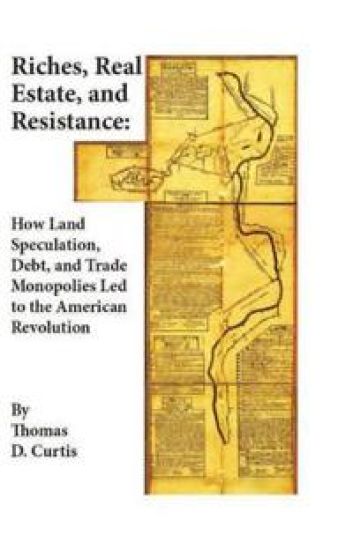
Was the American Revolution fought to achieve abstract ideals of individual freedom or to serve economic interests? "Both!" is the answer provided by Prof. Thomas D. Curtis in this intriguing study. He shows how British policy, particularly as it related to the speculation in lands on the western frontier (in the Appalachias and the Ohio Valley), had the unintended effect of uniting diverse interests into a force for rebellion. The leaders included heavily indebted southern landowners (including George Washington), northern urban land speculators (including Benjamin Franklin), and wealthy northern merchants who feared, after 1773, that England would impose trade monopolies that would bankrupt them. Artisans, shopkeepers, and small-scale farmers were influenced by combinations of economic and ideological motives. Small-scale land-oriented interests consisted of the settlers who wanted cheap land for farming in the western frontier areas, but who were denied legal title to the Indian lands by British law.
Riches, Real Estate, and Resistance

Riches, Real Estate, and Resistance

Thomas D. Curtis

John Wiley Sons Inc
2014
nidottu
Was the American Revolution fought to achieve abstract ideals of individual freedom or to serve economic interests? "Both!" is the answer provided by Prof. Thomas D. Curtis in this intriguing study. He shows how British policy, particularly as it related to the speculation in lands on the western frontier (in the Appalachias and the Ohio Valley), had the unintended effect of uniting diverse interests into a force for rebellion. The leaders included heavily indebted southern landowners (including George Washington), northern urban land speculators (including Benjamin Franklin), and wealthy northern merchants who feared, after 1773, that England would impose trade monopolies that would bankrupt them. Artisans, shopkeepers, and small-scale farmers were influenced by combinations of economic and ideological motives. Small-scale land-oriented interests consisted of the settlers who wanted cheap land for farming in the western frontier areas, but who were denied legal title to the Indian lands by British law.