Kirjojen hintavertailu. Mukana 12 537 389 kirjaa ja 12 kauppaa.

Kirjahaku

Etsi kirjoja tekijän nimen, kirjan nimen tai ISBN:n perusteella.

4 kirjaa tekijältä Thomas W. Laqueur

The Dog's Gaze

The Dog's Gaze

Thomas W. Laqueur

PENGUIN BOOKS LTD
2026
sidottu
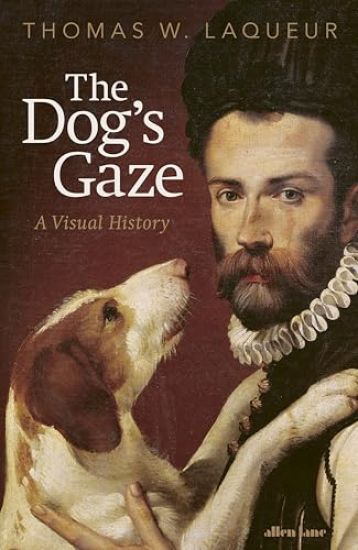
What do dogs do in art? Long before the phrase ‘man’s best friend’ became common parlance, dogs were already standing beside us in art as in life. In The Dog’s Gaze, the historian Thomas W. Laqueur invites us to explore why they feature more than any other animal in the ways in which we picture ourselves and our stories. Dogs have been ubiquitous in the worldmaking of visual artists as far back as the Palaeolithic age. Looking across the western tradition, from Giotto to Goya and Rubens to Rego, Laqueur shows what their presence – as hunting partners, beloved friends and even conduits to the afterlife – reveals about our own ways of seeing and how we want to be remembered. Far from being mere motifs, dogs are an integral and intentional element of the images in which they appear: they provide narrative coherence; they look out and bear witness, often on the artist’s behalf; they illuminate our understanding of morality and melancholy and some, like us, become celebrities. Indeed, as the author shows, dogs in art are our social doppelgängers, our companions in looking and being. Richly illustrated and lovingly written, The Dog’s Gaze is a unique visual history that examines the shared social history of our two species and offers fresh insights into the human condition through the eyes of our canine companions.
The Dog's Gaze: A Visual History

The Dog's Gaze: A Visual History

Thomas W. Laqueur

PENGUIN PRESS
2026
sidottu
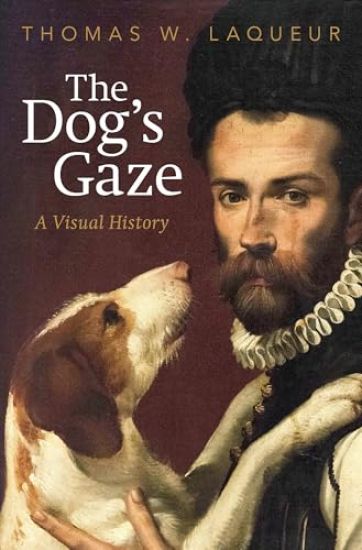
From award-winning cultural historian, an enlightening and unique meditation on the presence of dogs in art, from the Paleolithic era to the present, and what our intertwined human-canine relationship reveals about human nature Long before the phrase 'man's best friend' became common parlance, dogs were already standing beside us in art as in life. In The Dog's Gaze, the historian Thomas W. Laqueur invites us to explore why they feature more than any other animal in the ways in which we picture ourselves and our stories. Dogs have been ubiquitous in the worldmaking of visual artists as far back as the Paleolithic age. Looking across the western tradition, from Giotto to Goya and Rubens to Rego, Laqueur shows what their presence - as hunting partners, beloved friends and even conduits to the afterlife - reveals about our own ways of seeing and how we want to be remembered. Far from being mere motifs, dogs are an integral and intentional element of the images in which they appear: they provide narrative coherence; they look out and bear witness, often on the artist's behalf; they illuminate our understanding of morality and melancholy and some, like us, become celebrities. Indeed, as Laqueur reveals, dogs in art are our social doppelg ngers, our companions in looking and being. Richly illustrated and lovingly written, The Dog's Gaze is a unique visual history that examines the remarkable social bond between two species, shedding new light on the human condition through the eyes of our canine companions.
The Work of the Dead

The Work of the Dead

Thomas W. Laqueur

PRINCETON UNIVERSITY PRESS
2015
sidottu
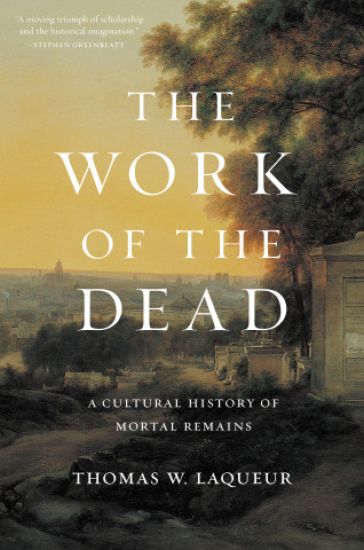
The Greek philosopher Diogenes said that when he died his body should be tossed over the city walls for beasts to scavenge. Why should he or anyone else care what became of his corpse? In The Work of the Dead, acclaimed cultural historian Thomas Laqueur examines why humanity has universally rejected Diogenes's argument. No culture has been indifferent to mortal remains. Even in our supposedly disenchanted scientific age, the dead body still matters--for individuals, communities, and nations. A remarkably ambitious history, The Work of the Dead offers a compelling and richly detailed account of how and why the living have cared for the dead, from antiquity to the twentieth century. The book draws on a vast range of sources--from mortuary archaeology, medical tracts, letters, songs, poems, and novels to painting and landscapes in order to recover the work that the dead do for the living: making human communities that connect the past and the future. Laqueur shows how the churchyard became the dominant resting place of the dead during the Middle Ages and why the cemetery largely supplanted it during the modern period. He traces how and why since the nineteenth century we have come to gather the names of the dead on great lists and memorials and why being buried without a name has become so disturbing. And finally, he tells how modern cremation, begun as a fantasy of stripping death of its history, ultimately failed--and how even the ashes of the victims of the Holocaust have been preserved in culture. A fascinating chronicle of how we shape the dead and are in turn shaped by them, this is a landmark work of cultural history.
The Work of the Dead

The Work of the Dead

Thomas W. Laqueur

Princeton University Press
2018
pokkari
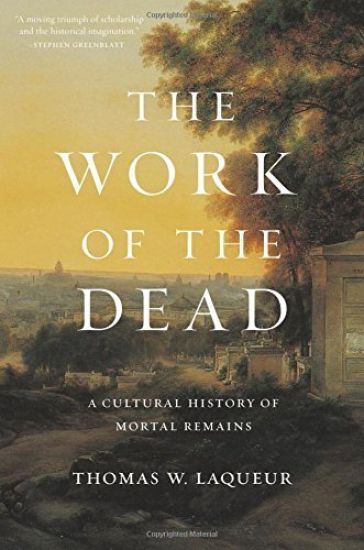
The meaning of our concern for mortal remains—from antiquity through the twentieth centuryThe Greek philosopher Diogenes said that when he died his body should be tossed over the city walls for beasts to scavenge. Why should he or anyone else care what became of his corpse? In The Work of the Dead, acclaimed cultural historian Thomas Laqueur examines why humanity has universally rejected Diogenes's argument. No culture has been indifferent to mortal remains. Even in our supposedly disenchanted scientific age, the dead body still matters—for individuals, communities, and nations. A remarkably ambitious history, The Work of the Dead offers a compelling and richly detailed account of how and why the living have cared for the dead, from antiquity to the twentieth century.The book draws on a vast range of sources—from mortuary archaeology, medical tracts, letters, songs, poems, and novels to painting and landscapes in order to recover the work that the dead do for the living: making human communities that connect the past and the future. Laqueur shows how the churchyard became the dominant resting place of the dead during the Middle Ages and why the cemetery largely supplanted it during the modern period. He traces how and why since the nineteenth century we have come to gather the names of the dead on great lists and memorials and why being buried without a name has become so disturbing. And finally, he tells how modern cremation, begun as a fantasy of stripping death of its history, ultimately failed—and how even the ashes of the victims of the Holocaust have been preserved in culture.A fascinating chronicle of how we shape the dead and are in turn shaped by them, this is a landmark work of cultural history.