Kirjojen hintavertailu. Mukana 11 342 296 kirjaa ja 12 kauppaa.

Kirjahaku

Etsi kirjoja tekijän nimen, kirjan nimen tai ISBN:n perusteella.

4 kirjaa tekijältä Tick Judith

Ruth Crawford Seeger

Ruth Crawford Seeger

Tick Judith

Oxford University Press Inc
1997
sidottu
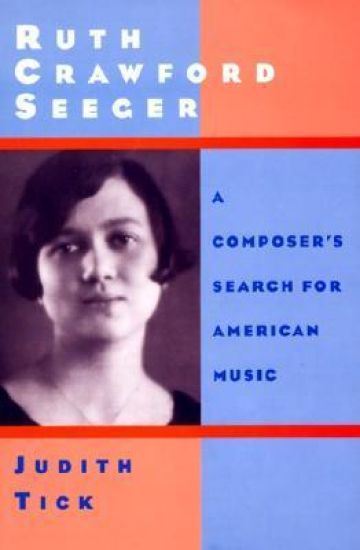
Ruth Crawford Seeger (1901-1953) is frequently considered the most significant American female composer in this century. Joining Aaron Copland and Henry Cowell as a key member of the 1920s musical avant-garde, she went on to study with modernist theorist and future husband Charles Seeger, writing her masterpiece, String Quartet 1931, not long after. But her legacy extends far beyond the cutting edge of modern music. Collaborating with poet Carl Sandburg on folk song arrangements in the twenties, and with the famous folk-song collectors John and Alan Lomax in the 1930s, she emerged as a central figure in the American folk music revival, issuing several important books of adaptations (transcriptions and arrangements) and pioneering the use of American folk songs in children's music education. Radicalized by the Depression, she spent much of the ensuing two decades working aggressively for social change with her husband and stepson, the folksinger Pete Seeger. This engrossing new biography emphasizes the choices Crawford Seeger made in her roles as composer, activist, teacher, wife and mother. The first woman to win a Guggenheim Foundation Fellowship in music composition, Crawford Seeger nearly gave up writing music as the demands of family, politics, and the folk song movement intervened. It was only at the very end of her life, with cancer sapping her strength, that she returned to composing. Written with unique insight and compassion, this book offers the definitive treatment of a fascinating twentieth-century figure.
Ruth Crawford Seeger

Ruth Crawford Seeger

Tick Judith

Oxford University Press Inc
2000
nidottu
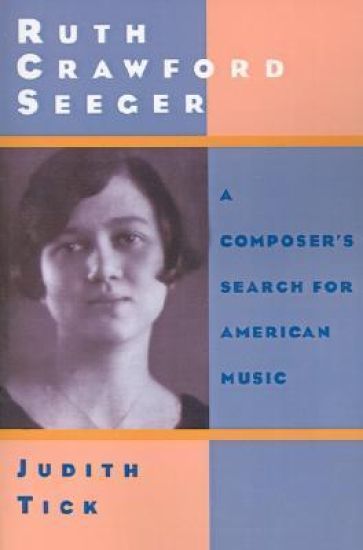
Ruth Crawford Seeger (1901-1953) is frequently considered the most significant American female composer in this century. Joining Aaron Copland and Henry Cowell as a key member of the 1920s musical avant-garde, she went on to study with modernist theorist and future husband Charles Seeger, writing her masterpiece, String Quartet 1931, not long after. But her legacy extends far beyond the cutting edge of modern music. Collaborating with poet Carl Sandburg on folk song arrangements in the twenties, and with the famous folk-song collectors John and Alan Lomax in the 1930s, she emerged as a central figure in the American folk music revival, issuing several important books of adaptations (transcriptions and arrangements) and pioneering the use of American folk songs in children's music education. Radicalized by the Depression, she spent much of the ensuing two decades working aggressively for social change with her husband and stepson, the folksinger Pete Seeger. This engrossing new biography emphasizes the choices Crawford Seeger made in her roles as composer, activist, teacher, wife and mother. The first woman to win a Guggenheim Foundation Fellowship in music composition, Crawford Seeger nearly gave up writing music as the demands of family, politics, and the folk song movement intervened. It was only at the very end of her life, with cancer sapping her strength, that she returned to composing. Written with unique insight and compassion, this book offers the definitive treatment of a fascinating twentieth-century figure.
Music in the USA

Music in the USA

Tick Judith

Oxford University Press Inc
2008
sidottu
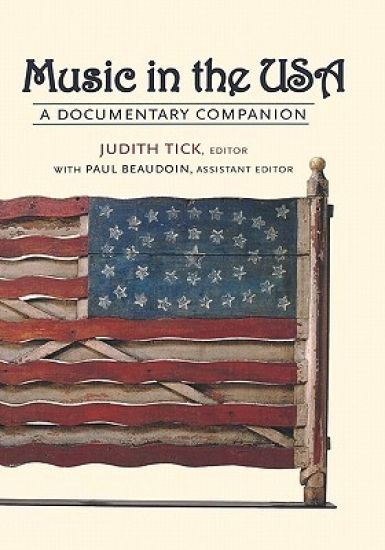
Music in the USA: A Documentary Companion charts a path through American music and musical life using as guides the words of composers, performers, writers and the rest of us ordinary folks who sing, dance, and listen. The anthology of primary sources contains about 160 selections from 1540 to 2000. Sometimes the sources are classics in the literature around American music, for example, the Preface to the Bay Psalm Book, excerpts from Slave Songs of the United States, and Charles Ives extolling Emerson. But many other selections offer uncommon sources, including a satirical story about a Yankee music teacher; various columns from 19th-century German American newspapers; the memoirs of a 19th-century diva; Lottie Joplin remembering her husband Scott; a little-known reflection of Copland about Stravinsky; an interview with Muddy Waters from the Chicago Defender; a letter from Woody Guthrie on the "spunkfire" attitude of a folk song; a press release from the Country Music Association; and the Congressional testimony around "Napster." "Sidebar" entries occasionally bring a topic or an idea into the present, acknowledging the extent to which revivals of many kinds of music play a role in American contemporary culture. This book focuses on the connections between theory and practice to enrich our understanding of the diversity of American musical experiences. Designed especially to accompany college courses which survey American music as a whole, the book is also relevant to courses in American history and American Studies.
Music in the USA

Music in the USA

Tick Judith

Oxford University Press Inc
2008
nidottu
Music in the USA: A Documentary Companion charts a path through American music and musical life using as guides the words of composers, performers, writers and the rest of us ordinary folks who sing, dance, and listen. The anthology of primary sources contains about 160 selections from 1540 to 2000. Sometimes the sources are classics in the literature around American music, for example, the Preface to the Bay Psalm Book, excerpts from Slave Songs of the United States, and Charles Ives extolling Emerson. But many other selections offer uncommon sources, including a satirical story about a Yankee music teacher; various columns from 19th-century German American newspapers; the memoirs of a 19th-century diva; Lottie Joplin remembering her husband Scott; a little-known reflection of Copland about Stravinsky; an interview with Muddy Waters from the Chicago Defender; a letter from Woody Guthrie on the "spunkfire" attitude of a folk song; a press release from the Country Music Association; and the Congressional testimony around "Napster." "Sidebar" entries occasionally bring a topic or an idea into the present, acknowledging the extent to which revivals of many kinds of music play a role in American contemporary culture. This book focuses on the connections between theory and practice to enrich our understanding of the diversity of American musical experiences. Designed especially to accompany college courses which survey American music as a whole, the book is also relevant to courses in American history and American Studies.