Kirjojen hintavertailu. Mukana 11 244 527 kirjaa ja 12 kauppaa.

Kirjahaku

Etsi kirjoja tekijän nimen, kirjan nimen tai ISBN:n perusteella.

52 kirjaa tekijältä Tim Cooke

At Home With: The Aztecs

At Home With: The Aztecs

Tim Cooke

Wayland
2014
sidottu
Life in the past was in many ways very different from life today, but in one way it was very similar.There were always some people who were wealthier, more powerful or more famous than everyone else- and it was those early celebrities who set the fashions of the age and who got tongues wagging withearly celebrity gossip. At Home With... uses a magazine approach to reveal what fashionable life was like in various societies.Each book in the series focuses on a highly popular and widely studied period of history. The subjects include famous individuals and their homes, fashions, pastimes, food and drink, ways of getting around - and the must-have possessions of the day.
Explore with Henry Hudson

Explore with Henry Hudson

Tim Cooke

Crabtree Classics
2014
nidottu
This fascinating book follows the travels of English explorer and sea navigator Henry Hudson. Historical information and high-interest fact boxes are presented in an entertaining tabloid style that guides readers through major voyages, explorations, and discoveries. Topics include what led Hudson to become an explorer, Northern exploration, life on sea voyages, merchant companies, and Hudson's legacy. Teacher's guide available.
Go West with Cowboys and Ranchers

Go West with Cowboys and Ranchers

Tim Cooke

Crabtree Classics
2016
nidottu
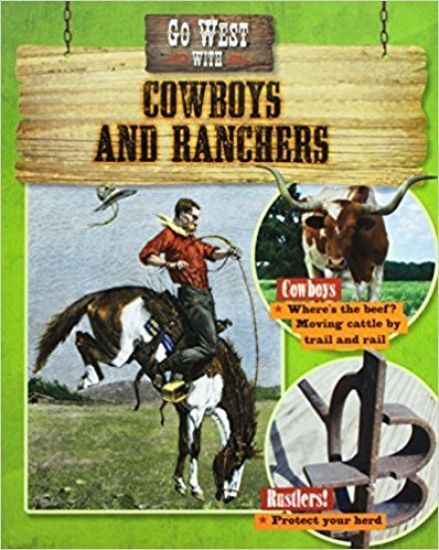
When the cattle trade moved west, herds took over vast expanses of land. Go west with the cowboys that rode the range and herded cattle along the trails from the southwest to the railheads. Discover how many of the cowboys were African Americans or Latin American vaqueros. Find out what life was like for the ranchers who owned the herds and how ranching practices sometimes led to armed conflict with neighboring farmers, such as in the Johnson County War.
Explore with Francisco Vazquez de Coronado
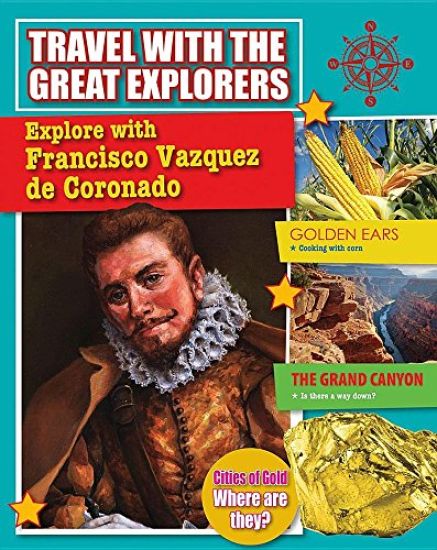
This fascinating book follows the travels of the Spanish conquistador Francisco Vasquez de Coronado on his quest to find the fabled Cities of Gold in what is now the Southwestern United States. Historical information and high-interest fact boxes are presented in an appealing tabloid style that guides readers through major voyages, explorations, and discoveries. Topics include why the Spaniards sent Coronado into the Southwest, deadly clashes with the Pueblo peoples, the first European sighting of the Grand Canyon and the Great Plains, and Coronado's eventual disappointment and disgrace. Teacher's guide available.
Explore with Gertrude Bell

Explore with Gertrude Bell

Tim Cooke

Crabtree Classics
2017
sidottu
This fascinating book takes readers through the life story of influential English archaeologist and traveler Gertrude Bell. Bell explored what is now the Middle East and played a significant role in the creation of modern Iraq. Historical facts, images, and high-interest information are presented in a tabloid-style to engage readers in an accessible way. Topics include Bell's work in archaeology, her mountain summits, and her role in World War One. Teacher's guide available.
The Impact of the Internet

The Impact of the Internet

Tim Cooke

Crabtree Publishing Company
2020
sidottu
The Internet gives us information at our fingertips and puts us in touch instantly with anyone in the world. It reduces our need to use paper or travel long distances to meet, but its growth has come at a cost. Find out how we can stay connected without harming ourselves or the planet in this insightful look at the Internet and social media. Case studies reveal the environmental impact of producing and discarding the computers and other devices we use to access the Internet, as well as the human toll from serious problems such as cyber bullying and online addiction.
The Impact of Buildings and Cities

The Impact of Buildings and Cities

Tim Cooke

Crabtree Publishing Company
2020
nidottu
More than half the world's population live in cities, and that number is rising. Find out how we can create buildings and cities without harming the environment in this informative title. The growth of cities can lead to overcrowding, pollution from transportation and factories, and the release of greenhouse gases from buildings. Case studies show how scientists, architects, and planners are investigating how to build more energy-efficient houses and more sustainable cities.
Facts and Artefacts: Ancient Rome

Facts and Artefacts: Ancient Rome

Tim Cooke

Franklin Watts Ltd
2018
sidottu
The ancient Romans were skilled builders, artists and inventors, and one of the best ways to discover how they lived is by studying the artefacts they made. Just as ancient objects enable us to step back into the world of the people who made them, the stories people told can reveal what they thought about their world. This book combines facts about the ancient Romans with photographs of the artefacts they left behind and the stories they shared with each other to present a full picture of life at the time.
Time Travel Guides: The Shang Dynasty and Yin

Time Travel Guides: The Shang Dynasty and Yin

Tim Cooke

Hachette Children's Group
2024
sidottu
Step back in time to discover life during the Shang Dynasty with this handy time travel guidebook! Perfect for the KS2 history curriculum, and for readers aged 7 and up.Time travel back over 3,000 to visit the fascinating Shang dynasty in China, and find out all about Shang life and culture. Get ready to visit a bronze-making workshop, eat elephant at a banquet, play panpipes and shop for precious jade and silk at a bustling Shang market. Like modern travel guides, the books in this series highlight must-see features and explain local culture. Each highlighted destination contains an explanation of what took part in these areas, as well as a look at important artefacts found there providing a bigger picture of life in the past. Typical travel guide notes include, 'best time to visit', 'what to eat' and 'where to stay'. Perfect for the KS2 history curriculum, and for readers aged 7 and up.Titles in the series:The Ancient Egyptians and ThebesThe Ancient Greeks and AthensThe Maya and Chichén ItzáRoman Britain and LondiniumThe Shang Dynasty and YinxuThe Stone Age and Skara BraeThe Victorians and LondonViking Britain and Jorvik
Time Travel Guides: The Shang Dynasty and Yin

Time Travel Guides: The Shang Dynasty and Yin

Tim Cooke

Hachette Children's Group
2025
nidottu
Travel back in time to the ancient Shang city of Yinxu and find out all about Shang life and culture. Like modern travel guides, the books in this series highlight must-see features and explain local culture. Each highlighted destination contains an explanation of what took part in these areas, as well as a look at important artefacts found there providing a bigger picture of life in the past. Typical travel guide notes include, 'best time to visit', 'what to eat' and 'where to stay'. Perfect for the KS2 history curriculum.
Time Travel Guides: The Victorians and London

Time Travel Guides: The Victorians and London

Tim Cooke

Hachette Children's Group
2024
sidottu
Step back in time to discover life in London during the reign of Queen Victoria with this handy time travel guidebookTravel back in time to Victorian London and find out all about life and culture there. Get ready to visit a cotton mill, drink coffee in one of new coffee houses and watch the Changing of the Guard at Buckingham Palace! Like modern travel guides, the books in this series highlight must-see features and explain local culture. Each highlighted destination contains an explanation of what took part in these areas, as well as a look at important artefacts found there providing a bigger picture of life in the past. Typical travel guide notes include, 'best time to visit', 'what to eat' and 'where to stay'. Perfect for the KS2 history curriculum, and for readers aged 7 and up.Contents:LondonPutting London on the mapOut and aboutVictorian homesChristmasThe East EndStroll along the riverVictorian childrenHealth and medicineBooming BritainTime offBuckingham PalaceVisit quick!GlossaryFurther informationIndexBooks in this series:The Maya and Chichén Itza Roman Britain and LondiniumThe Stone Age and Skara BraeViking Britain and JorvikThe Ancient Greeks and AthensThe Shang Dynasty and YinThe Victorians and London The Ancient Egyptians and Thebes
Time Travel Guides: The Victorians and London

Time Travel Guides: The Victorians and London

Tim Cooke

Hachette Children's Group
2025
nidottu
Step back in time to discover life in London during the reign of Queen Victoria with this handy time travel guidebookTravel back in time to Victorian London and find out all about life and culture there. Get ready to visit a cotton mill, drink coffee in one of new coffee houses and watch the Changing of the Guard at Buckingham Palace! Like modern travel guides, the books in this series highlight must-see features and explain local culture. Each highlighted destination contains an explanation of what took part in these areas, as well as a look at important artefacts found there providing a bigger picture of life in the past. Typical travel guide notes include, 'best time to visit', 'what to eat' and 'where to stay'. Perfect for the KS2 history curriculum, and for readers aged 7 and up.Contents:LondonPutting London on the mapOut and aboutVictorian homesChristmasThe East EndStroll along the riverVictorian childrenHealth and medicineBooming BritainTime offBuckingham PalaceVisit quick!GlossaryFurther informationIndexBooks in this series:The Maya and Chichén Itza Roman Britain and LondiniumThe Stone Age and Skara BraeViking Britain and JorvikThe Ancient Greeks and AthensThe Shang Dynasty and YinThe Victorians and London The Ancient Egyptians and Thebes
A Question of History: What happened to the pharaoh's brain? And other questions about ancient Egypt
Take a look at the wackier side of history!Why did the first pyramids fall down? How did Tutankhamun die? And what really happened to the pharaoh's brain? Discover the answers to these questions and much more in A Question of History: The Ancient Egyptians!With an engaging question and answer format, this series draws young readers into the fascinating, sometimes gruesome, world of famous peoples and civilisations through history. Each spread opens with a simple question, opening up an exploration of an aspect of the life of a people or civilisation and busting some popular myths along the way!The lively lay-out is supported by annotated photos and cartoons, making history fun and accessible for every young reader.Titles in the series: What happened to mummies' brains? And other questions about the Ancient EgyptiansDid the kings of Benin really keep pet leopards? And other questions about the kingdom of BeninDid the Celts really use hair gel? And other questions about the Stone Age, Iron Age and Bronze AgeWhy did the ancient Greeks use elephants in battle? And other questions about the ancient GreeksWhy did the Maya stick needles in their tongues? And other questions about the MayaDid the Romans really eat flamingos? And other questions about the RomansWhy did the Shang write on turtles? And other questions about the Shang Dynasty Did the Vikings really wear horns on their helmets? And other questions about the Vikings
A Question of History: Why were Maya games so deadly? And other questions about the Maya
Take a look at the wackier side of history!Did the Maya really invent hot chocolate? Why did they have pointed heads? And did the Maya civilisation really disappear?With an engaging question and answer format, this series draws young readers into the fascinating, sometimes gruesome, world of famous peoples and civilisations through history. Each spread opens with a simple question, opening up an exploration of an aspect of the life of a people or civilisation and busting some popular myths along the way!.The lively lay-out is supported by annotated photos and cartoons, making history fun and accessible for readers aged 9+.Titles in the series: What happened to mummies' brains? And other questions about the Ancient EgyptiansDid the kings of Benin really keep pet leopards? And other questions about the kingdom of BeninDid the Celts really use hair gel? And other questions about the Stone Age, Iron Age and Bronze AgeWhy did the ancient Greeks use elephants in battle? And other questions about the ancient GreeksWhy did the Maya stick needles in their tongues? And other questions about the MayaDid the Romans really eat flamingos? And other questions about the RomansWhy did the Shang write on turtles? And other questions about the Shang Dynasty Did the Vikings really wear horns on their helmets? And other questions about the Vikings
A Question of History: Did Vikings wear horns on their helmets? And other questions about the Vikings
Discover the weird and wacky history of the Vikings!Why did Viking houses smell of fish (eew)? Did they really have horns on their helmets? And were the Vikings really the vainest people in Europe?With an engaging question and answer format, this series draws young readers into the fascinating, sometimes gruesome, world of famous peoples and civilisations through history. Each spread opens with a simple question, opening up an exploration of an aspect of the life of a people or civilisation and busting some popular myths along the way!.The lively lay-out is supported by annotated photos and cartoons, making history fun and accessible for every young reader.Titles in the series: What happened to mummies' brains? And other questions about the Ancient EgyptiansDid the kings of Benin really keep pet leopards? And other questions about the kingdom of BeninDid the Celts really use hair gel? And other questions about the Stone Age, Iron Age and Bronze AgeWhy did the ancient Greeks use elephants in battle? And other questions about the ancient GreeksWhy did the Maya stick needles in their tongues? And other questions about the MayaDid the Romans really eat flamingos? And other questions about the RomansWhy did the Shang write on turtles? And other questions about the Shang Dynasty Did the Vikings really wear horns on their helmets? And other questions about the Vikings
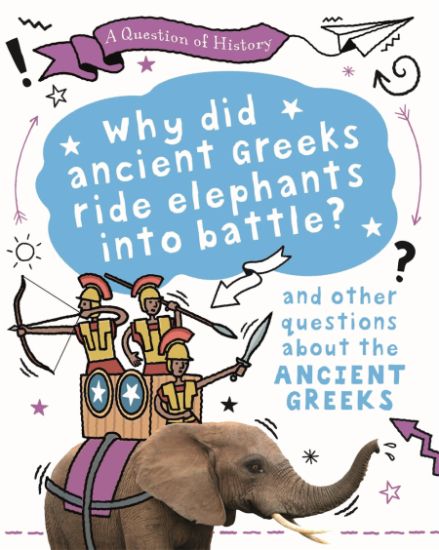
A Question of History: Why did the ancient Greeks ride elephants into battle? And other questions about ancient Greece
Take a look at the wackier side of history!Why did Minoans have strong ankles? How did an owl inspire a city? And why on Earth did the ancient Greeks exercise NAKED?With an engaging question and answer format, this series draws young readers into the fascinating, sometimes gruesome, world of famous peoples and civilisations through history. Each spread opens with a simple question, opening up an exploration of an aspect of the life of a people or civilisation and busting some popular myths along the way!.The lively lay-out is supported by annotated photos and cartoons, making history fun and accessible for every young reader.Titles in the series: What happened to mummies' brains? And other questions about the Ancient EgyptiansDid the kings of Benin really keep pet leopards? And other questions about the kingdom of BeninDid the Celts really use hair gel? And other questions about the Stone Age, Iron Age and Bronze AgeWhy did the ancient Greeks use elephants in battle? And other questions about the ancient GreeksWhy did the Maya stick needles in their tongues? And other questions about the MayaDid the Romans really eat flamingos? And other questions about the RomansWhy did the Shang write on turtles? And other questions about the Shang Dynasty Did the Vikings really wear horns on their helmets? And other questions about the Vikings
A Question of History: Why did the Shang write on turtles? And other questions about the Shang Dynasty
Take a look at the wackier side of history!Who were the Shang people? Why did they LOVE mud and moths? And just what made the Shang such fearsome warriors? A Question of History: The Shang Civilisation answers all these questions and much more.With an engaging question and answer format, this series draws young readers into the fascinating, sometimes gruesome, world of famous peoples and civilisations through history. Each spread opens with a simple question, opening up an exploration of an aspect of the life of a people or civilisation and busting some popular myths along the way!The lively lay-out is supported by annotated photos and cartoons, making history fun and accessible for readers aged 8+.Titles in the series: What happened to mummies' brains? And other questions about the Ancient EgyptiansDid the kings of Benin really keep pet leopards? And other questions about the kingdom of BeninDid the Celts really use hair gel? And other questions about the Stone Age, Iron Age and Bronze AgeWhy did the ancient Greeks use elephants in battle? And other questions about the ancient GreeksWhy did the Maya stick needles in their tongues? And other questions about the MayaDid the Romans really eat flamingos? And other questions about the RomansWhy did the Shang write on turtles? And other questions about the Shang Dynasty Did the Vikings really wear horns on their helmets? And other questions about the Vikings