Kirjojen hintavertailu. Mukana 11 244 527 kirjaa ja 12 kauppaa.

Kirjahaku

Etsi kirjoja tekijän nimen, kirjan nimen tai ISBN:n perusteella.

4 kirjaa tekijältä Timothy H. Lim

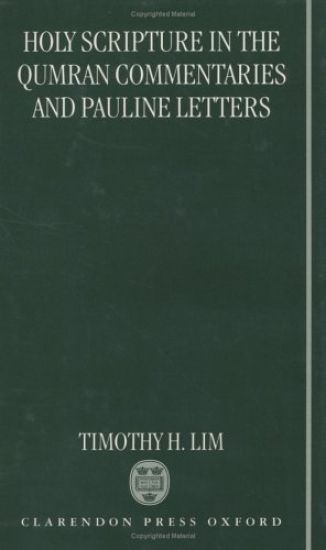
Holy Scripture in the Qumran Commentaries and Pauline Letters
What was the ancient exegetes' attitude to the biblical texts? Did they consider them `sacred' in the sense that the words were the inviolable utterances of God? Or did they when necessary modify and adapt holy writ for their own purposes? This book examines the question of exegetical modifications from the post-Qumran perspective of textual pluriformity of literalism that runs through ancient exegeses and translations. The Qumran Commentators and Paul complemented their fulfilment-exegeses by paying close attention to the verbal formations of the biblical texts. The hermeneutical principles underlying their exegeses involved a multiplex of competing forces that at the same time sought to make scripture relevant while guarding it from changes. In so far as the label 'post-biblical exegesis' describes a clear separation between the written, authoritative texts and its interpretation, the distinction is overdrawn, for the ancients were not merely commentators, but also in some sense authors of the biblical texts.
The Earliest Commentary on the Prophecy of Habakkuk

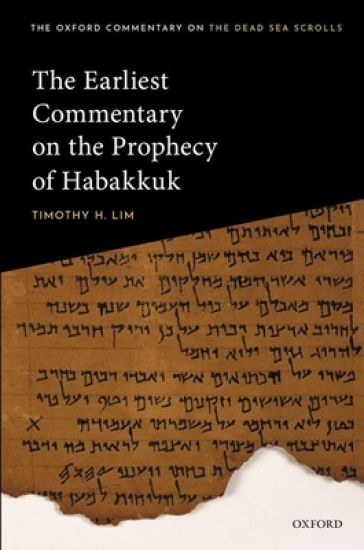
The Earliest Commentary on the Prophecy of Habakkuk

Timothy H. Lim

Oxford University Press
2020
sidottu
This is the first major commentary in English on Pesher Habakkuk for forty years. It elucidates the nature of 1QpHab as the earliest commentary on the prophecy of Habakkuk by a detailed study of the biblical quotation and sectarian interpretation. This commentary provides a new edition of the scroll, including new readings, and detailed palaeographical, philological, exegetical and historical notes and discussion. It shows that the pesherist imitates the allusive style of the oracles of Habakkuk and also draws on lexemes, phrases, and themes from other biblical texts and Jewish sources. It shows that the pesherist identified the Kittim with the Romans who conquered Judaea in 63 BCE, and suggests that the scroll refers to several righteous and wicked figures, including the last Hasmonean high priests.
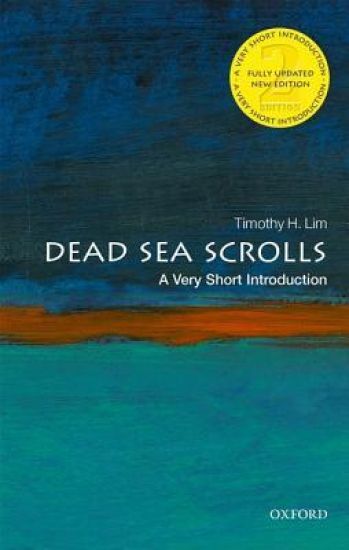
The Dead Sea Scrolls

The Dead Sea Scrolls

Timothy H. Lim

Oxford University Press
2017
nidottu
Since their discovery in 1947, the Dead Sea Scrolls have become an icon in popular culture that transcends their status as ancient Jewish manuscripts. Everyone has heard of the Scrolls, but amidst the conspiracies, the politics, and the sensational claims, it can be difficult to separate the myths from the reality. In this Very Short introductions, Timothy Lim discusses the cultural significance of the finds, and the religious, political and legal controversies during the seventy years of study since the discovery. He also looks at the contribution the Scrolls have made to our understanding of the Old Testament or Hebrew Bible, and the origins of early Christianity. Exploring the most recent scholarly discussions on the archaeology of Khirbet Qumran, and the study of the biblical texts, the canon, and the history of the Second Temple Period, he considers what the scrolls reveal about sectarianism in early Judaism. Was the archaeological site of Qumran a centre of monastic life, a fortress, a villa, or a pottery factory? Why were some of their biblical texts so different from the ones that we read today? Did they have 'a Bible'? Who were the Essenes and why did they think that humanity is to be divided between 'the sons of light' and those in darkness? And, finally, do the Scrolls reflect the teachings of the earliest followers of Jesus? ABOUT THE SERIES: The Very Short Introductions series from Oxford University Press contains hundreds of titles in almost every subject area. These pocket-sized books are the perfect way to get ahead in a new subject quickly. Our expert authors combine facts, analysis, perspective, new ideas, and enthusiasm to make interesting and challenging topics highly readable.
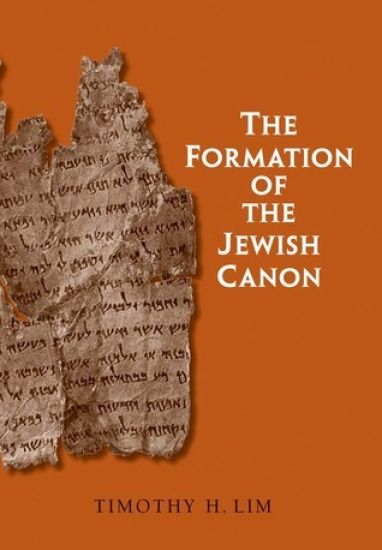
The Formation of the Jewish Canon

The Formation of the Jewish Canon

Timothy H. Lim

Yale University Press
2013
sidottu
The discovery of the Dead Sea Scrolls provides unprecedented insight into the nature of the Hebrew Bible or Old Testament before its fixation. Timothy Lim here presents a complete account of the formation of the canon in Ancient Judaism from the emergence of the Torah in the Persian period to the final acceptance of the list of twenty-two/twenty-four books in the Rabbinic period.Using the Hebrew Bible, the Scrolls, the Apocrypha, the Letter of Aristeas, the writings of Philo, Josephus, the New Testament, and Rabbinic literature as primary evidence he argues that throughout the post-exilic period up to around 100 CE there was not one official “canon” accepted by all Jews; rather, there existed a plurality of collections of scriptures that were authoritative for different communities. Examining the literary sources and historical circumstances that led to the emergence of authoritative scriptures in ancient Judaism, Lim proposes a theory of the majority canon that posits that the Pharisaic canon became the canon of Rabbinic Judaism in the centuries after the destruction of the Jerusalem Temple.