Kirjojen hintavertailu. Mukana 11 244 527 kirjaa ja 12 kauppaa.

Kirjahaku

Etsi kirjoja tekijän nimen, kirjan nimen tai ISBN:n perusteella.

4 kirjaa tekijältä Timothy J. Moore

The Theater of Plautus

The Theater of Plautus

Timothy J. Moore

University of Texas Press
1999
pokkari
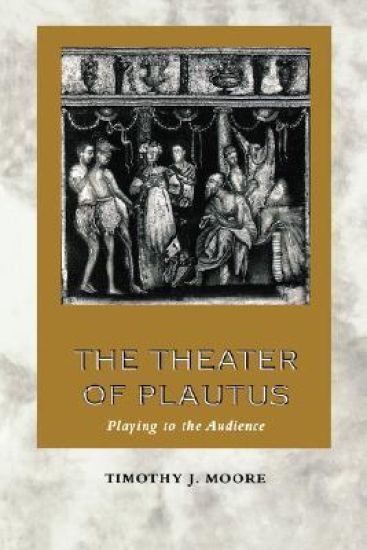
The relationship between actors and spectators has been of perennial interest to playwrights. The Roman playwright Plautus (ca. 200 BCE) was particularly adept at manipulating this relationship. Plautus allowed his actors to acknowledge freely the illusion in which they were taking part, to elicit laughter through humorous asides and monologues, and simultaneously to flatter and tease the spectators. These metatheatrical techniques are the focus of Timothy J. Moore's innovative study of the comedies of Plautus. The first part of the book examines Plautus' techniques in detail, while the second part explores how he used them in the plays Pseudolus, Amphitruo, Curculio, Truculentus, Casina, and Captivi. Moore shows that Plautus employed these dramatic devices not only to entertain his audience but also to satirize aspects of Roman society, such as shady business practices and extravagant spending on prostitutes, and to challenge his spectators' preconceptions about such issues as marriage and slavery. These findings forge new links between Roman comedy and the social and historical context of its performance.
Roman Theatre

Roman Theatre

Timothy J. Moore

Cambridge University Press
2012
pokkari
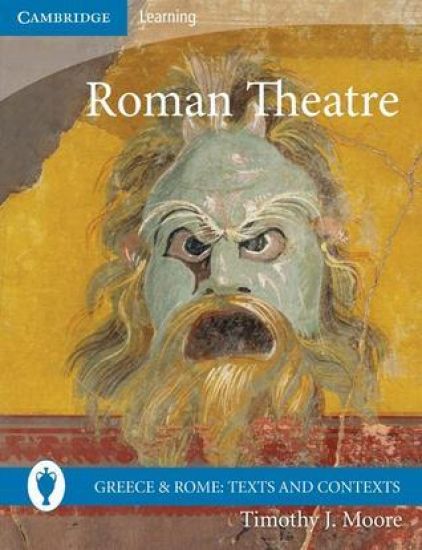
When we think of ancient theatre today, we tend to think of Greek theatre. Yet the Romans also had a lively and varied set of theatrical traditions, which have had a considerable influence on later drama. This book offers an introduction to these traditions, including the origins of Roman theatre, the extant plays of Plautus, Terence and Seneca, and the many works of comedy, tragedy, mime and pantomime that no longer survive as written texts. The emphasis throughout is on performance, the role of these theatrical works within Roman society, and Roman theatre's legacy.
Music in Roman Comedy

Music in Roman Comedy

Timothy J. Moore

Cambridge University Press
2012
sidottu
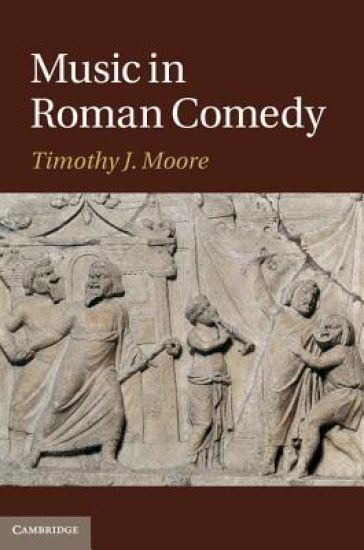
The plays of Plautus and Terence were profoundly musical: large portions of all the plays were sung to accompaniment, and variations in melody, rhythm and dance were essential elements in bringing both pleasure and meaning to their performance. This book explains the nature of Roman comedy's music: the accompanying tibia, the style of vocal performance, the importance of dance, characteristics of melody, the relationship between meter and rhythm, and the effects of different meters and of variations within individual verses. It provides musical analyses of songs, scenes and whole plays, and draws analogies between Roman comedy's music and the music of modern opera, film and musical theatre. The book will change our understanding of the nature of Roman comedy and will be of interest to students of ancient theatre and Latin literature, scholars and students working on the history of music and theatre, and performers working with ancient plays.
Music in Roman Comedy

Music in Roman Comedy

Timothy J. Moore

Cambridge University Press
2016
pokkari
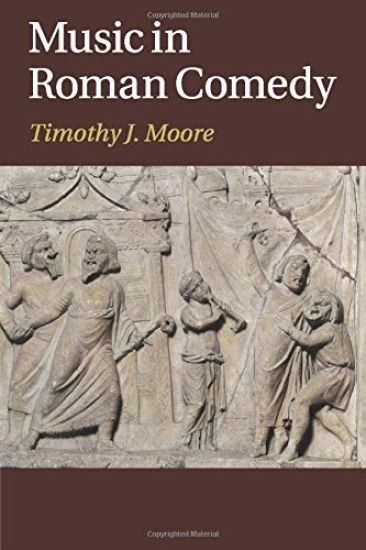
The plays of Plautus and Terence were profoundly musical: large portions of all the plays were sung to accompaniment, and variations in melody, rhythm and dance were essential elements in bringing both pleasure and meaning to their performance. This book explains the nature of Roman comedy's music: the accompanying tibia, the style of vocal performance, the importance of dance, characteristics of melody, the relationship between meter and rhythm, and the effects of different meters and of variations within individual verses. It provides musical analyses of songs, scenes and whole plays, and draws analogies between Roman comedy's music and the music of modern opera, film and musical theatre. The book will change our understanding of the nature of Roman comedy and will be of interest to students of ancient theatre and Latin literature, scholars and students working on the history of music and theatre, and performers working with ancient plays.