

Kirjahaku
Etsi kirjoja tekijän nimen, kirjan nimen tai ISBN:n perusteella.
16 kirjaa tekijältä Tom Clark
Tom Clark’s collection of short fiction, The Last Gas Station, is in two contrasting parts. It opens with 23 very short prose pieces––amusingly surreal California vignettes, some no longer than a page, peopled by denim-clad cowgirls, itinerant lover boys, Martin Heidegger, Boris Pasternak, Muslim college students, Vietnam vets, Ty Cobb, Ted Berrigan, and a great dinosaur poet of the Jurassic period. These are followed by the novella “Incident at Basecamp,” an odd matter-of-fact account of a close encounter between a young married couple and a spindly, three-toed, mind-reading extraterrestrial somewhere deep in the Rocky Mountain wilderness.
Poems written between 1962 and 1987 encompassing Clark's full range of concerns: life and death, love and regrets, history and 20th-century society.

All the components of the Jack Kerouac legend are here: the excesses of alcohol and drugs; the soul searching; the charactersNeal Cassady and Allen Ginsberg, Gregory Corso and Lucien Carr, John Clellon Holmes and William Burroughs, Jack's mother, Gabrielle, and the other women in Kerouac's life. There is also a record of the travels that became the basis for On the Road and Visions of Cody, the death-shrouded childhood that became Mexico City Blues and Tristessa, and the stupor of fame that weighed on him as he tried to articulate his torments in Big Sur. This edition is newly revised with a new introduction by the author.

Essential for all readers of progressive American poetry, this collection encompasses the exhilaration and joy, the madness and sorrow of the last forty years with a lyric intensity that, in the words of the poet Robert Creeley, offers a “wry and securing truth.” A generous selection from the poet’s career, Light and Shade is a major release from one of the country’s most influential poets and critics.
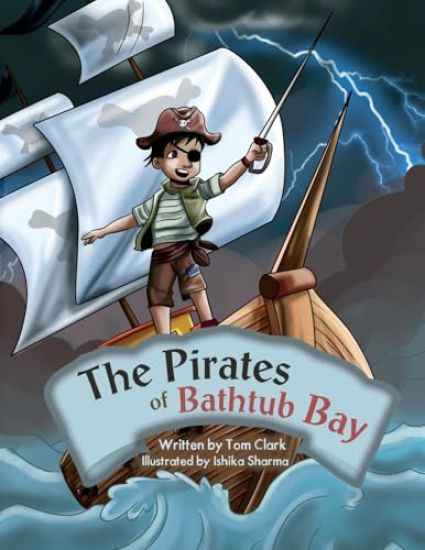
It's bath time for Thomas when he summons his Pirate friends using his imagination to board the Old Wooden Walrus, searching for the "Golden Duck. He and his crew must be alert and not fall prey to "Bathtub Bay Falls", a treacherous cove where ships have gone to see Davy Jones Locker and a whole host of crazy creatures along the way. It's Thomas' last adventure as he's now getting old enough to take a shower but he leaves nothing at port, for this one promises to be his most imaginative and also the most fun yet. So climb aboard the Old Wooden Walrus with Thomas, keep peeking overboard helping him look for trouble and help him bring home the treasure.
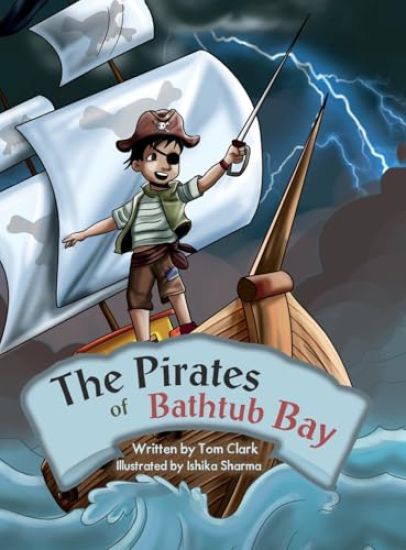
It's bath time for Thomas when he summons his Pirate friends using his imagination to board the Old Wooden Walrus, searching for the "Golden Duck. He and his crew must be alert and not fall prey to "Bathtub Bay Falls", a treacherous cove where ships have gone to see Davy Jones Locker and a whole host of crazy creatures along the way. It's Thomas' last adventure as he's now getting old enough to take a shower but he leaves nothing at port, for this one promises to be his most imaginative and also the most fun yet. So climb aboard the Old Wooden Walrus with Thomas, keep peeking overboard helping him look for trouble and help him bring home the treasure.
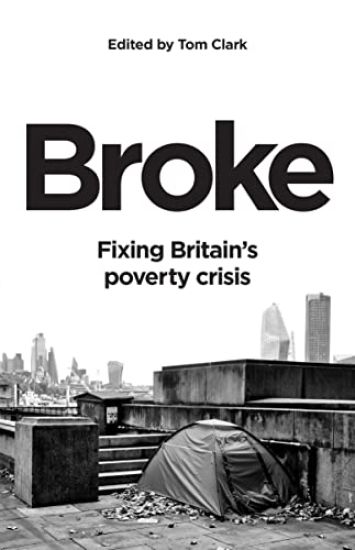
A dozen years into austerity, statistical warning lights are flashing to suggest a return to types of deprivation we once imagined we had consigned to history. Here, today's masters of social reportage to go deep into the communities so often ignored by politicians, introducing us to those at the hardest end of the poverty crisis.
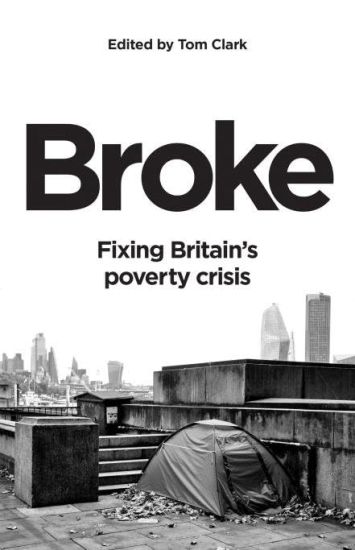
Over a dozen years into austerity, statistical warning lights are flashing to suggest a return to types of deprivation we once imagined we had consigned to history. In the decade up to the pandemic, the official count of rough sleepers and recorded malnutrition in hospital patients both doubled, while recourse to food banks rocketed by an order of magnitude. And yet it has never been statistics but rather individual human stories – from the fictionalised accounts of Dickens to the faithful reporting of Orwell and Priestley – that have seared the reality of hard times into the public imagination. In Broke, Tom Clark assembles today’s masters of social reportage to go deep into the communities so often ignored by politicians, introducing us to those at the hardest end of the poverty crisis. Contributions from Jem Bartholomew, Cal Flyn, Dani Garavelli, Frances Ryan, Samira Shackle, Daniel Trilling and Jennifer Williams and a foreword by Kerry Hudson unflinchingly reveal the contemporary experience of cold, hunger, homelessness, disease, debt, disability, punishing work and an immigration system that makes people destitute by design. With Joel Goodman’s photography bringing the characters to life, and some of the writers having had first-hand experience of the issues raised, Broke blends powerful human stories with analysis of the policies that have led us to this point – and the reforms we urgently need. All royalties will be donated to Leeds Asylum Seekers’ Support Network
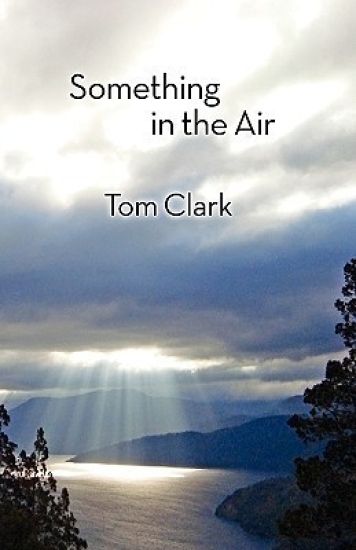
A poet of original vision and gentle, careful word-shaping, Clark allows his images to merge and converge toward a resolution in which flow is not arrested but pauses to take thought; the images take over the controls and 'do the talking', almost as if they had a mind of their own. What a relief when that happens, the poet confesses; he just follows along and tries to stay out of the way of whatever it is they seem to want to be saying. And when the elements of image and sound and sense do then mysteriously come together in the moment, as Clark here proposes, 'A point is fixed'.


This book examines irony in the Old English poem "Beowulf." It synthesises an argument that the poetics of "Beowulf" are fundamentally contrastive. Contrastiveness is a feature of expression that enables the presence of irony, although it does not guarantee it. Using a definition that emphasises contextual rather than absolute readings of irony, this study shows how irony is created in "Beowulf" by contrastive techniques such as the dichotomy of words and deeds, the use of juxtaposition in its development of characters, and the use of litotes. The author devotes particular attention to the epithets of "Beowulf," examined as both an attributive phrase and the concomitant amplification of that phrase through its poetic context. Close readings of the poem's epithets reveal many ironies and many different types of irony. The systematic coherence of those types shows "Beowulf" in a new light, as a thoroughly ironic poem.
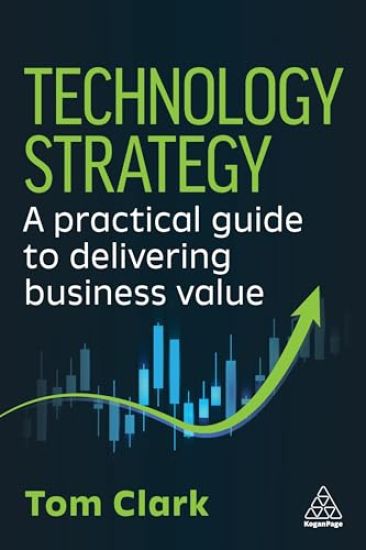
How can you turn technology from a support function into a strategic enabler of business success? Technology Strategy by Tom Clark is a practical guide for CIOs, CTOs, IT directors and senior technology leaders who want to align digital investment with business goals, deliver measurable impact and position technology as a driver of organizational growth. Written for professionals navigating complex, fast-changing technology landscapes, this book provides a step-by-step approach to building and executing a business-driven technology strategy. It equips leaders with the skills to diagnose organizational needs, evaluate market trends and link technology priorities directly to strategic objectives. You'll discover how to: - Identify quick wins that deliver immediate business value - Optimize resources and ensure effective service delivery - Strengthen vendor management and governance processes - Build communication strategies that secure stakeholder buy-in - Track performance and drive digital transformation with confidence Whether you are shaping a new strategy or accelerating progress in an established organization, Technology Strategy helps you transform IT from operational necessity to strategic advantage. Themes include: technology strategy, digital transformation, IT governance, resource optimization, vendor management, business alignment
How can you turn technology from a support function into a strategic enabler of business success? Technology Strategy by Tom Clark is a practical guide for CIOs, CTOs, IT directors and senior technology leaders who want to align digital investment with business goals, deliver measurable impact and position technology as a driver of organizational growth. Written for professionals navigating complex, fast-changing technology landscapes, this book provides a step-by-step approach to building and executing a business-driven technology strategy. It equips leaders with the skills to diagnose organizational needs, evaluate market trends and link technology priorities directly to strategic objectives. You'll discover how to: - Identify quick wins that deliver immediate business value - Optimize resources and ensure effective service delivery - Strengthen vendor management and governance processes - Build communication strategies that secure stakeholder buy-in - Track performance and drive digital transformation with confidence Whether you are shaping a new strategy or accelerating progress in an established organization, Technology Strategy helps you transform IT from operational necessity to strategic advantage. Themes include: technology strategy, digital transformation, IT governance, resource optimization, vendor management, business alignment