Kirjojen hintavertailu. Mukana 12 016 292 kirjaa ja 12 kauppaa.

Kirjahaku

Etsi kirjoja tekijän nimen, kirjan nimen tai ISBN:n perusteella.

5 kirjaa tekijältä Tom Forrest

Politics And Economic Development In
Since the end of civil war in 1970, Nigeria has struggled to build a stronger federal center and to reduce conflicts that have arisen from uneven development and from ethnic, regional, class and religious differences. This book provides a comprehensive account of the dynamic interplay between the political and economic forces that have shaped gover
Politics And Economic Development In Nigeria
Since the end of civil war in 1970, Nigeria has struggled to build a stronger federal center and to reduce conflicts resulting from uneven development and from ethnic, regional, class, and religious differences. This book provides a comprehensive account of the dynamic interplay between the political and economic forces that have shaped government policies, institutions, and the patterns of development in Africa's most populous country. Tom Forrest identifies the major issues and challenges in Nigerian politics, giving particular attention to the evolution of the federal system, aspects of political competition, and the nature of ruling groups. He examines the links among political demands and incentives, economic strategy, and capitalist development and analyzes the evolution of economic policy and performance, looking specifically at the impact of large oil revenues, agrarian policies, and the program of economic liberalization. In a completely new chapter for this edition, Forrest examines the annulment of the presidential elections in 1993 and explores the persistence of military rule, the demise of the economic reform program, and the intensification of the economic crisis. Assessing the prospects for economic and political change, Forrest considers whether enough political coherence and legitimacy at the center can be reestablished to allow for effective economic management and more productive use of oil wealth in the years ahead.
Politics And Economic Development In
Since the end of civil war in 1970, Nigeria has struggled to build a stronger federal center and to reduce conflicts that have arisen from uneven development and from ethnic, regional, class and religious differences. This book provides a comprehensive account of the dynamic interplay between the political and economic forces that have shaped gover
Politics And Economic Development In Nigeria
Since the end of civil war in 1970, Nigeria has struggled to build a stronger federal center and to reduce conflicts resulting from uneven development and from ethnic, regional, class, and religious differences. This book provides a comprehensive account of the dynamic interplay between the political and economic forces that have shaped government policies, institutions, and the patterns of development in Africa's most populous country. Tom Forrest identifies the major issues and challenges in Nigerian politics, giving particular attention to the evolution of the federal system, aspects of political competition, and the nature of ruling groups. He examines the links among political demands and incentives, economic strategy, and capitalist development and analyzes the evolution of economic policy and performance, looking specifically at the impact of large oil revenues, agrarian policies, and the program of economic liberalization. In a completely new chapter for this edition, Forrest examines the annulment of the presidential elections in 1993 and explores the persistence of military rule, the demise of the economic reform program, and the intensification of the economic crisis. Assessing the prospects for economic and political change, Forrest considers whether enough political coherence and legitimacy at the center can be reestablished to allow for effective economic management and more productive use of oil wealth in the years ahead.
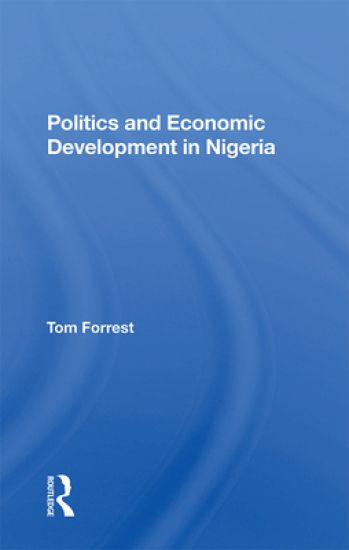
The Advance of African Capital

The Advance of African Capital

Tom Forrest

Edinburgh University Press
1994
sidottu
Combining ethnographic and historical perspectives, this study is the most detailed, most extensive account of medium- and large-scale African business yet published. It examines the strategies and patterns employed by business people from the colonial period to the present day and provides profiles of Nigeria's key entrepreneurs. Not only a valuable digest of business activities, this important study also challenges existing views about African enterprise and is highly relevant to policy-makers concerned with economic development.