

Kirjahaku
Etsi kirjoja tekijän nimen, kirjan nimen tai ISBN:n perusteella.
9 kirjaa tekijältä Tom Powers


The subjects of this book constitute a significant cross section of BBC science fiction television. With such characters as the Doctor (an enigmatic time-traveling alien), Kerr Avon (a problematic rebel leader), Dave Lister (a slovenly last surviving human) and Captain Jack Harkness (a complex omnisexual immortal), these shows have both challenged and reinforced viewer expectations about the small-screen masculine hero. This book explores the construction of gendered heroic identity in the series from both production and fan perspectives. The paradoxical relationships between the producers, writers and fans of the four series are discussed. Fan fiction, criticism and videos are examined that both celebrate and criticize BBC science fiction heroes and villains.


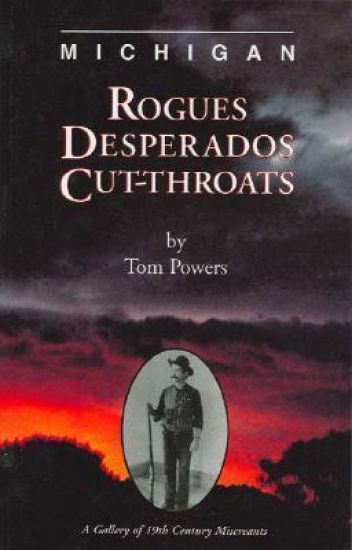
Ruthless killers - cruel predators - bold outlaws - unprincipled scoundrels - rowdy misfits. Those larger-than-life characters and supporting cast staged a dramatic, real-life performance on frontier Michigan. The stories of the most colorful and outrageous are told between the covers of Michigan Rogues Desperados & Cut-Throats. Rough and lusty lumbering-era Michigan towns bred outlaws, crime and shady characters faster than the state's swamps produced mosquitoes, says author Tom Powers. Killers, crooks, gunmen, whoremasters, thieves, and a remarkable assortment of other deadly, tragic, lawless and laughable characters washed through the streets of Saginaw, Manistique, Meredith, Bay City, Seney, Harrison, Rogers City and others. In their wake came shootouts, hangings, rapes, murders, white slavery, feuds, open prostitution, brutal brawls, daring escapes, stagecoach and train robberies, and just about any other crime, horror or atrocity you can think of. After reading Michigan Rogues, Desperados & Cut-throats, you may be convinced that the better-known wild west was tame compared to Michigan. Pieces in the Gallery of 19th Century Miscreants: A swashbuckling Lake Michigan pirate A brutal brawler who gnashed opponents with a double set of teeth The ogre of Seney, who would eat anything for money A master thief who picked the pockets of the Michigan legislature The King of Presque Isle The opera pimp

In the Grip of the Whirlwind: The Armistice Day Storm of 1940
Tom Powers
Thunder Bay Press Michigan
2009
nidottu

Millions of people visit Michigans parks every year. Organized geographically, this key resource shows all the accommodations and activities available at Michigans State and National Parks. Park area maps help visitors find activities while new campground maps help campers choose a site when making reservations. At the beginning of each park description is an at-a-glance reference showing symbols for all the accommodations and activities available. A map on the back cover provides the location of all the parks making it easy to find nearby attractions. For campers with specific interests, a quick-reference appendix lists all the parks, accommodations, and activities on an easy-to-read chart. This is an essential guide for anyone from the curious outdoorsman to the serious camper. This fifth edition includes new and updated campground and park maps.

In Michigan, the roar in the "Roaring Twenties" was the deafening blast of a sawed-off shotgun or the staccato thunder of a Thompson submachine gun punctuating a bank robbery. In post-WWI Michigan, a plague of ruthless desperadoes, better armed and driving faster cars than the police, cut a deadly swath across the state ranked eighth in the country for bank robberies. Tom Powers uncovers a violent and forgotten era in Michigan in 23 riveting chapters. The Wild West didn't die with the closing of the frontier; it came to Michigan in the 1920s and 1930s.