Kirjojen hintavertailu. Mukana 12 390 323 kirjaa ja 12 kauppaa.

Kirjahaku

Etsi kirjoja tekijän nimen, kirjan nimen tai ISBN:n perusteella.

3 kirjaa tekijältä Tracey Nicholls

Dismantling Rape Culture

Dismantling Rape Culture

Tracey Nicholls

Routledge
2020
sidottu
This book analyses rape culture through the lens of the ‘me too’ era. Drawing feminist theory into conversation with peace studies and improvisation theory, it advocates for peace- building opportunities to transform culture and for the improvisatory resources of ‘culture- jamming’ as a mechanism to dismantle rape culture.The book’s key argument is that cultural attitudes and behaviours can be shifted through the introduction of disrupting narratives, so each chapter ends with a ‘culture- jammed’ re- telling of a traditional fairy tale. Chapter 1 traces an overlap of feminist theory and peace studies, arguing that rape culture is most fruitfully understood through the concept of ‘structural violence.’ Chapter 2 investigates the gender scripts that rape culture produces, considering a female counterpart to the concept of ‘toxic masculinity’: ‘complicit femininity.’ Chapter 3 offers analysis of non- consensual sex and a history of consent education, culminating in an argument that we need to move beyond consent to conceptualise a robust ‘respectful mutuality.’ Chapter 4 ’s history of sexual harassment in the workplace and the rise of #metoo argues that its global manifestations are a powerful peace- building initiative. Chapter 5 situates ‘me too’ within a culture- jamming history, using improvisation theory to show how this movement’s potential can shape cultural reconstruction.This is a provocative and interventionist addition to feminist theory scholarship and is suitable for researchers and students in women’s and gender studies, feminist theory, sociology and peace studies.

Dismantling Rape Culture

Dismantling Rape Culture

Tracey Nicholls

TAYLOR FRANCIS LTD
2022
nidottu
This book analyses rape culture through the lens of the ‘me too’ era. Drawing feminist theory into conversation with peace studies and improvisation theory, it advocates for peace- building opportunities to transform culture and for the improvisatory resources of ‘culture- jamming’ as a mechanism to dismantle rape culture.The book’s key argument is that cultural attitudes and behaviours can be shifted through the introduction of disrupting narratives, so each chapter ends with a ‘culture- jammed’ re- telling of a traditional fairy tale. Chapter 1 traces an overlap of feminist theory and peace studies, arguing that rape culture is most fruitfully understood through the concept of ‘structural violence.’ Chapter 2 investigates the gender scripts that rape culture produces, considering a female counterpart to the concept of ‘toxic masculinity’: ‘complicit femininity.’ Chapter 3 offers analysis of non- consensual sex and a history of consent education, culminating in an argument that we need to move beyond consent to conceptualise a robust ‘respectful mutuality.’ Chapter 4 ’s history of sexual harassment in the workplace and the rise of #metoo argues that its global manifestations are a powerful peace- building initiative. Chapter 5 situates ‘me too’ within a culture- jamming history, using improvisation theory to show how this movement’s potential can shape cultural reconstruction.This is a provocative and interventionist addition to feminist theory scholarship and is suitable for researchers and students in women’s and gender studies, feminist theory, sociology and peace studies.
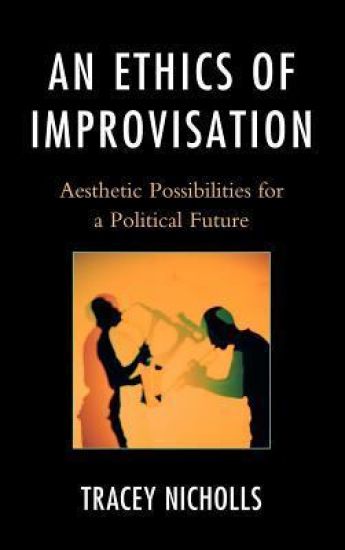
An Ethics of Improvisation

An Ethics of Improvisation

Tracey Nicholls

Lexington Books
2012
sidottu
An Ethics of Improvisation takes up the puzzles and lessons of improvised music in order to theorize the building blocks of a politically just society. The investigation of what politics can learn from the people who perform and listen to musical improvisation begins with an examination of current social discourses about “the political” and an account of what social justice could look like. From there, the book considers what a politically just society’s obligations are to people who do not want to be part of the political community, establishing respect for difference as a fundamental principle of social interaction. What this respect for difference entails when applied to questions of the aesthetic value of music is aesthetic pluralism, the book argues. Improvised jazz, in particular, embodies different values than those of the Western classical tradition, and must be judged on its own terms if it is to be respected. Having established the need for aesthetic pluralism in order to respect the diversity of musical traditions, the argument turns back to political theory, and considers what distinct resources improvisation theory—the theorizing of the social context in which musical improvisation takes place—has to offer established political philosophy discourses of deliberative democracy and the politics of recognition—already themselves grounded in a respect for difference. This strand of the argument takes up the challenge, familiar to peace studies, of creative ways to rebuild fractured civil societies. Throughout all of these intertwined discussions, various behaviors, practices, and value-commitments are identified as constituent parts of the “ethics of improvisation” that is articulated in the final chapter as the strategy through which individuals can collaboratively build responsive democratic communities.