Kirjojen hintavertailu. Mukana 12 094 919 kirjaa ja 12 kauppaa.

Kirjahaku

Etsi kirjoja tekijän nimen, kirjan nimen tai ISBN:n perusteella.

3 kirjaa tekijältä Tracy Fessenden

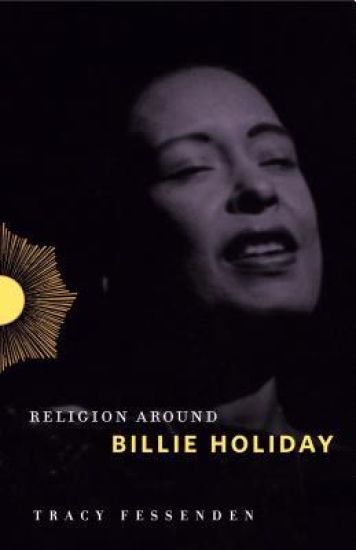
Religion Around Billie Holiday

Religion Around Billie Holiday

Tracy Fessenden

Pennsylvania State University Press
2018
sidottu
Soulful jazz singer Billie Holiday is remembered today for her unique sound, troubled personal history, and a catalogue that includes such resonant songs as “Strange Fruit” and “God Bless the Child.” Holiday and her music were also strongly shaped by religion, often in surprising ways. Religion Around Billie Holiday examines the spiritual and religious forces that left their mark on the performer during her short but influential life.Mixing elements of biography with the history of race and American music, Tracy Fessenden explores the multiple religious influences on Holiday’s life and sound, including her time spent as a child in a Baltimore convent, the echoes of black Southern churches in the blues she encountered in brothels, the secular riffs on ancestral faith in the poetry of the Harlem Renaissance, and the Jewish songwriting culture of Tin Pan Alley. Fessenden looks at the vernacular devotions scholars call lived religion—the Catholicism of the streets, the Jewishness of the stage, the Pentecostalism of the roadhouse or the concert arena—alongside more formal religious articulations in institutions, doctrine, and ritual performance.Insightful and compelling, Fessenden’s study brings unexpected materials and archival voices to bear on the shaping of Billie Holiday’s exquisite craft and indelible persona. Religion Around Billie Holiday illuminates the power and durability of religion in the making of an American musical icon.
Culture and Redemption

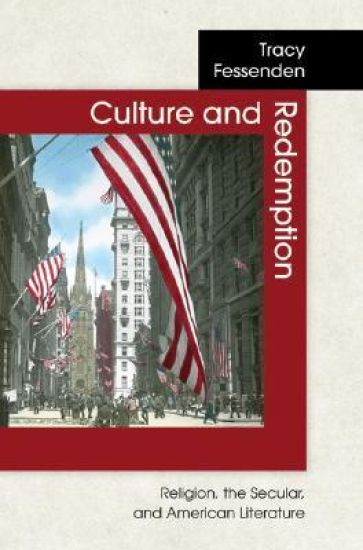
Culture and Redemption

Tracy Fessenden

Princeton University Press
2006
sidottu
Many Americans wish to believe that the United States, founded in religious tolerance, has gradually and naturally established a secular public sphere that is equally tolerant of all religions--or none. Culture and Redemption suggests otherwise. Tracy Fessenden contends that the uneven separation of church and state in America, far from safeguarding an arena for democratic flourishing, has functioned instead to promote particular forms of religious possibility while containing, suppressing, or excluding others. At a moment when questions about the appropriate role of religion in public life have become trenchant as never before, Culture and Redemption radically challenges conventional depictions--celebratory or damning--of America's "secular" public sphere. Examining American legal cases, children's books, sermons, and polemics together with popular and classic works of literature from the seventeenth to the twentieth centuries, Culture and Redemption shows how the vaunted secularization of American culture proceeds not as an inevitable by-product of modernity, but instead through concerted attempts to render dominant forms of Protestant identity continuous with democratic, civil identity. Fessenden shows this process to be thoroughly implicated, moreover, in practices of often-violent exclusion that go to the making of national culture: Indian removals, forced acculturations of religious and other minorities, internal and external colonizations, and exacting constructions of sex and gender. Her new readings of Emerson, Whitman, Melville, Stowe, Twain, Gilman, Fitzgerald, and others who address themselves to these dynamics in intricate and often unexpected ways advance a major reinterpretation of American writing.
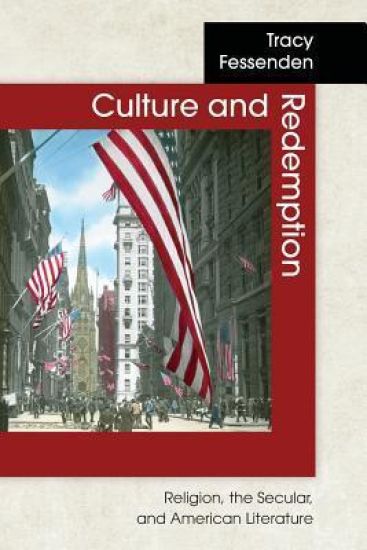
Culture and Redemption

Culture and Redemption

Tracy Fessenden

Princeton University Press
2013
pokkari
Many Americans wish to believe that the United States, founded in religious tolerance, has gradually and naturally established a secular public sphere that is equally tolerant of all religions--or none. Culture and Redemption suggests otherwise. Tracy Fessenden contends that the uneven separation of church and state in America, far from safeguarding an arena for democratic flourishing, has functioned instead to promote particular forms of religious possibility while containing, suppressing, or excluding others. At a moment when questions about the appropriate role of religion in public life have become trenchant as never before, Culture and Redemption radically challenges conventional depictions--celebratory or damning--of America's "secular" public sphere. Examining American legal cases, children's books, sermons, and polemics together with popular and classic works of literature from the seventeenth to the twentieth centuries, Culture and Redemption shows how the vaunted secularization of American culture proceeds not as an inevitable by-product of modernity, but instead through concerted attempts to render dominant forms of Protestant identity continuous with democratic, civil identity. Fessenden shows this process to be thoroughly implicated, moreover, in practices of often-violent exclusion that go to the making of national culture: Indian removals, forced acculturations of religious and other minorities, internal and external colonizations, and exacting constructions of sex and gender. Her new readings of Emerson, Whitman, Melville, Stowe, Twain, Gilman, Fitzgerald, and others who address themselves to these dynamics in intricate and often unexpected ways advance a major reinterpretation of American writing.